





Understanding Arguments: Strengthening Critical Thinking and Communication at PES University
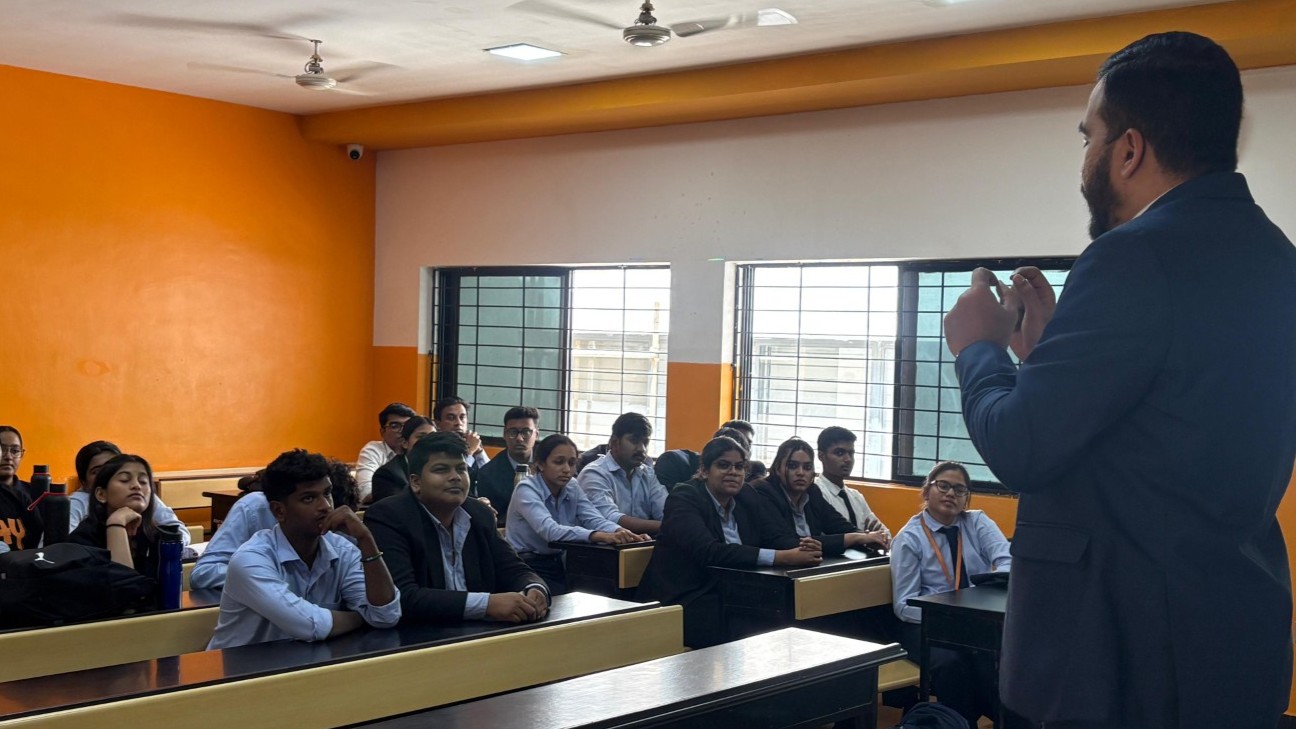
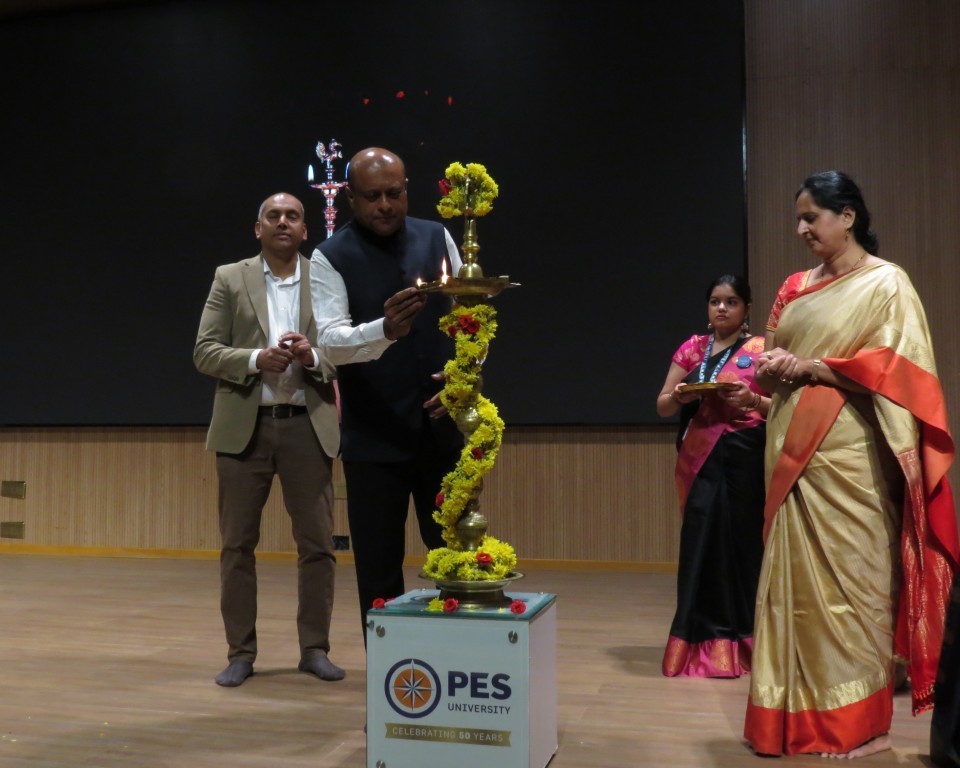
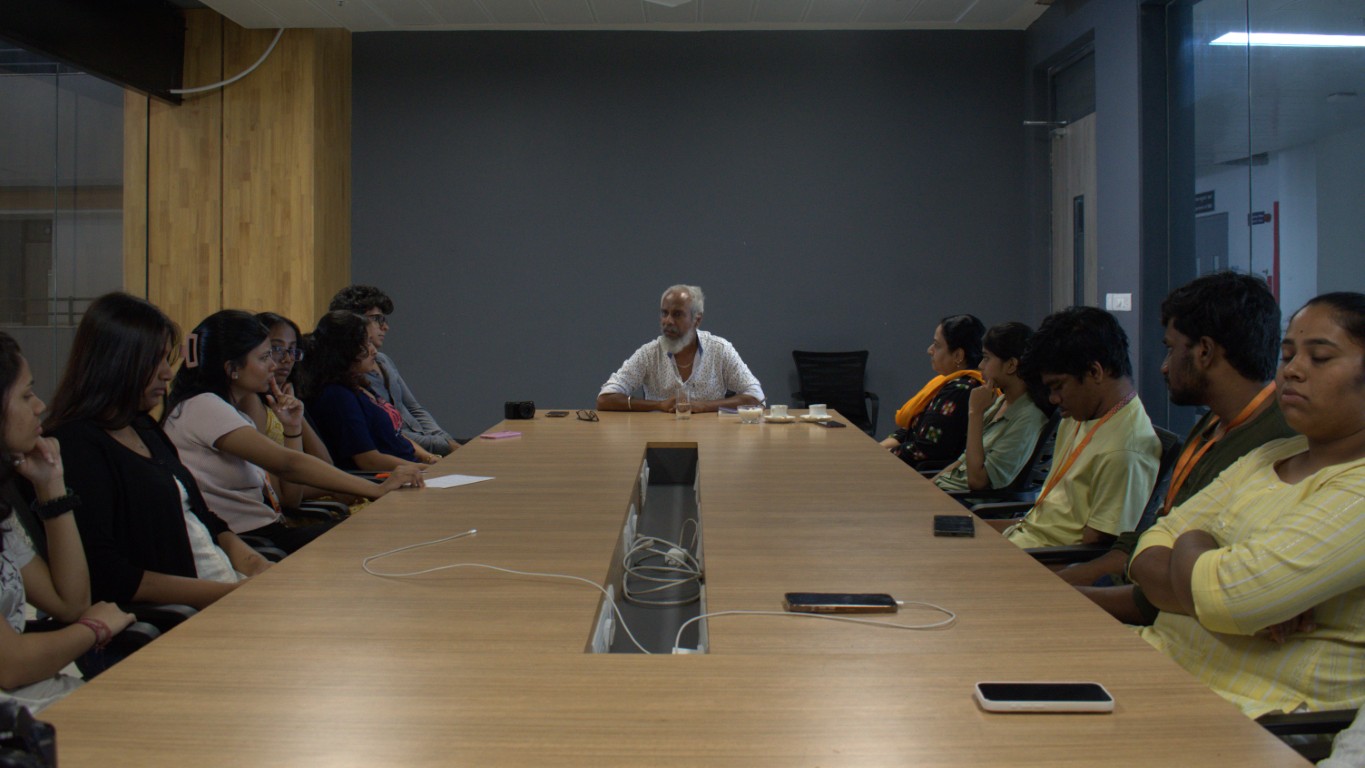
On February 6, 2026, the Faculty of Management and Commerce at PES University, Electronic City Campus, organised an enlightening and interactive session titled “Understanding Arguments” at the Medical College Seminar Hall. Aimed at strengthening students’ reasoning abilities, critical thinking, and communication skills, the session delivered valuable insights that extend far beyond the classroom.
Led by Sunil D’Monte, a seasoned professional with over 25 years of experience in the technology industry and social change sector, the workshop was both intellectually stimulating and deeply practical. His expertise in communication, interpersonal development, and logical reasoning equipped students with tools essential for navigating academic, professional, and personal conversations.
What an Argument Truly Means
The session began by redefining what an argument actually is.
Students learned that an argument isn’t a conflict or a fight—it is a structured presentation of reasons either in support of or against an idea. This foundational understanding helped participants move away from emotional interpretations of arguments toward a more logical, analytical perspective.
An impactful start to the session came with Aristotle’s thought-provoking quote:
“It is the mark of an educated mind to be able to entertain a thought without accepting it.”
This set the tone for open-minded inquiry, encouraging students to evaluate ideas objectively before forming opinions.
The Structure of a Strong Argument
One of the most valuable takeaways of the session was the breakdown of what makes an argument effective. Students explored the three core components of a strong argument:
- Claim – The central statement or viewpoint
- Evidence – Facts, data, or examples that support the claim
- Reasoning – The logical link explaining how and why the evidence supports the claim
This structured approach empowered students to present their ideas with clarity, coherence, and persuasiveness.
Identifying Logical Fallacies
To strengthen their reasoning further, participants were introduced to common logical fallacies that weaken arguments, such as:
- Emotional appeals without evidence
- Overgeneralizations
- Personal attacks (ad hominem)
- False assumptions
By understanding these fallacies, students learned to avoid flawed reasoning in their own arguments and recognize weaknesses in others’ points of view.
Argumentation Skills for Real Life
The facilitator emphasized that strong argumentation isn’t only for debates or academic writing.
These skills are critical in:
- Business decision-making
- Negotiations
- Interviews
- Presentations
- Everyday communication
Students discovered how logical thinking and clear expression form the backbone of effective leadership and professional success.
An Engaging, Interactive Learning Experience
The session was highly interactive, with students participating actively, asking thoughtful questions, and engaging in discussions that challenged their reasoning. The dynamic format kept the energy high and ensured a memorable learning experience.
By the end of the workshop, students walked away with:
- A clear understanding of the difference between a debate and an argument
- The ability to build logical, evidence‑based arguments
- A deeper awareness of their own thought processes
- Improved listening and analytical skills
Overall, Understanding Arguments proved to be a transformative session—one that sharpened minds, deepened perspectives, and equipped students with essential lifelong skills.
- #Workshop
- February 08, 2026
- Viewed - 25
- Liked - 1