

Advancing Ethical Research in the Age of Artificial Intelligence: Two-Day Faculty Development Programme at PES University
As Artificial Intelligence continues to transform the research landscape, ensuring ethical, transparent, and high-quality research practices has become more important than ever. In this context, the Department of Computer Science and Engineering (AI & ML), PES University Electronic City Campus, ...
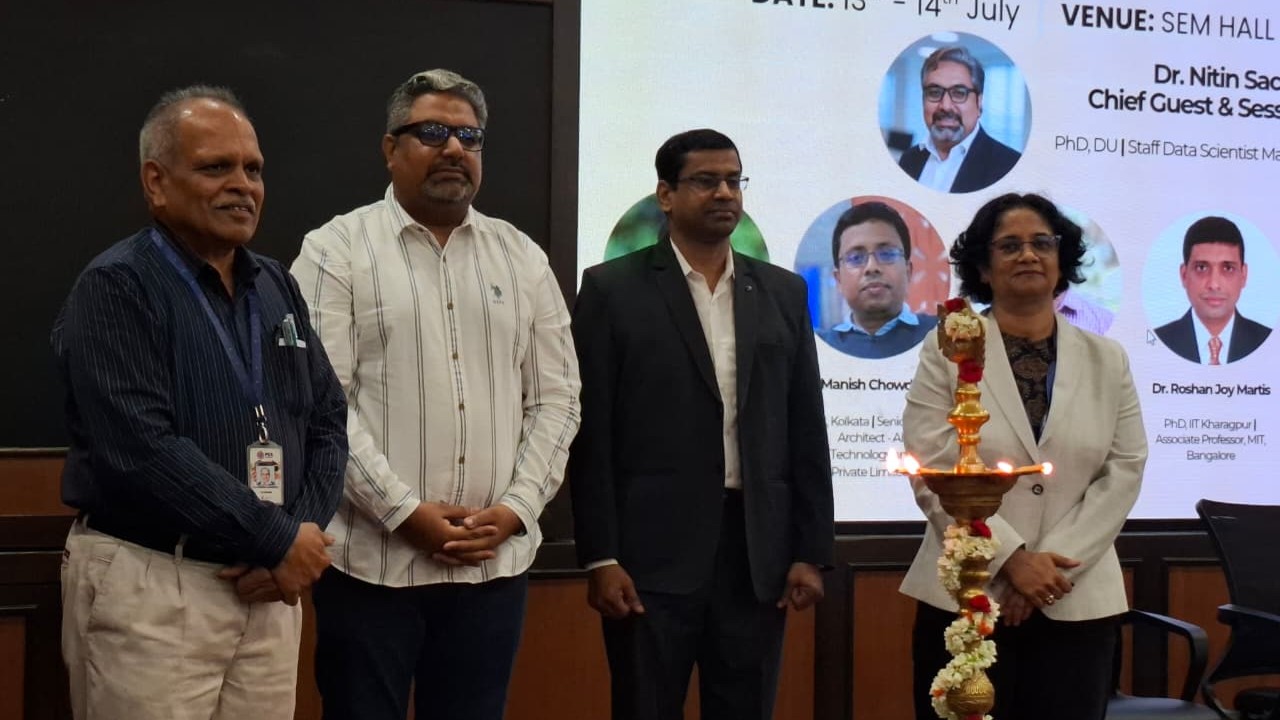
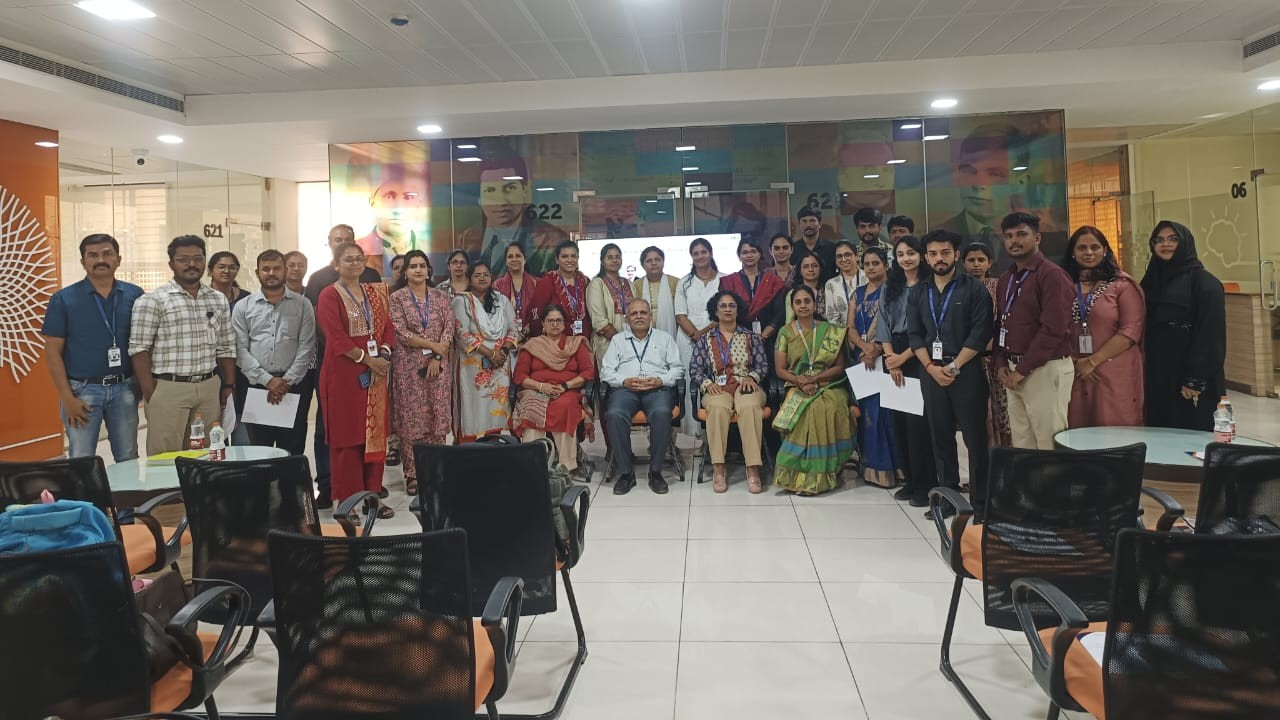
As Artificial Intelligence continues to transform the research landscape, ensuring ethical, transparent, and high-quality research practices has become more important than ever. In this context, the Department of Computer Science and Engineering (AI & ML), PES University Electronic City Campus, successfully organized a two-day Faculty Development Programme (FDP) on "Research Ethics, Research Integrity and Research Quality in the AI Era" on July 13th to 14th, 2026.
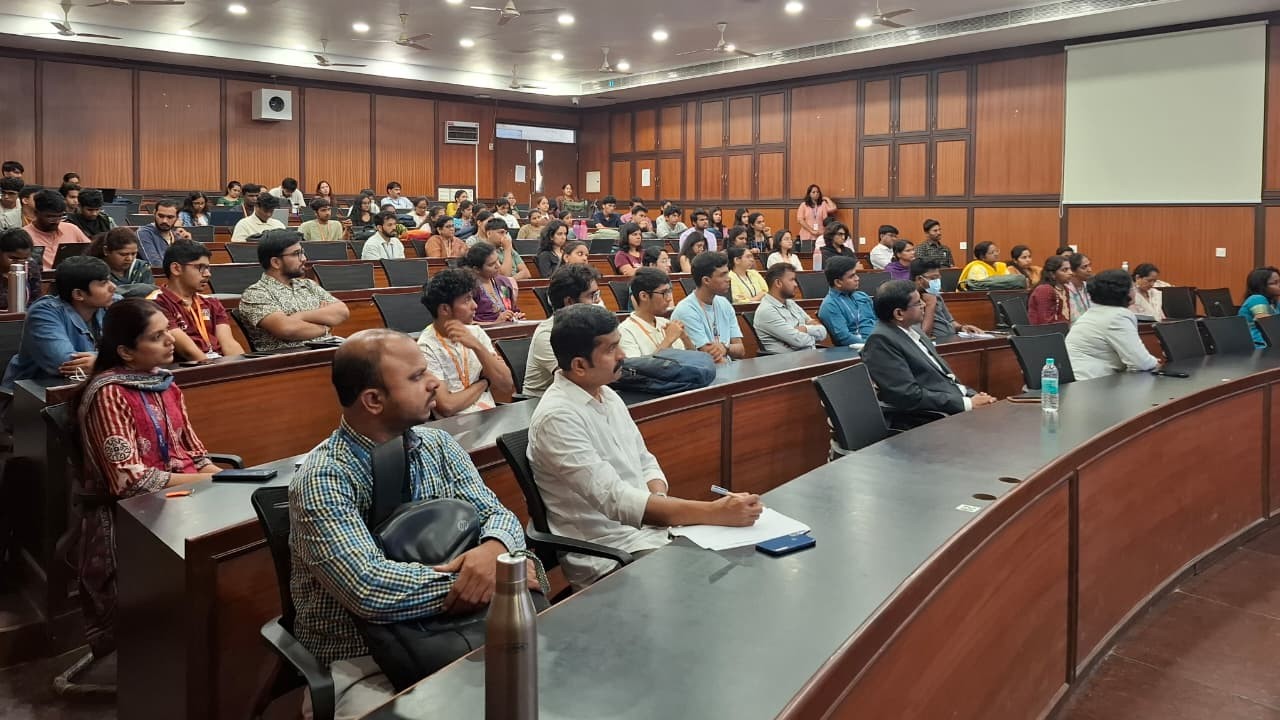
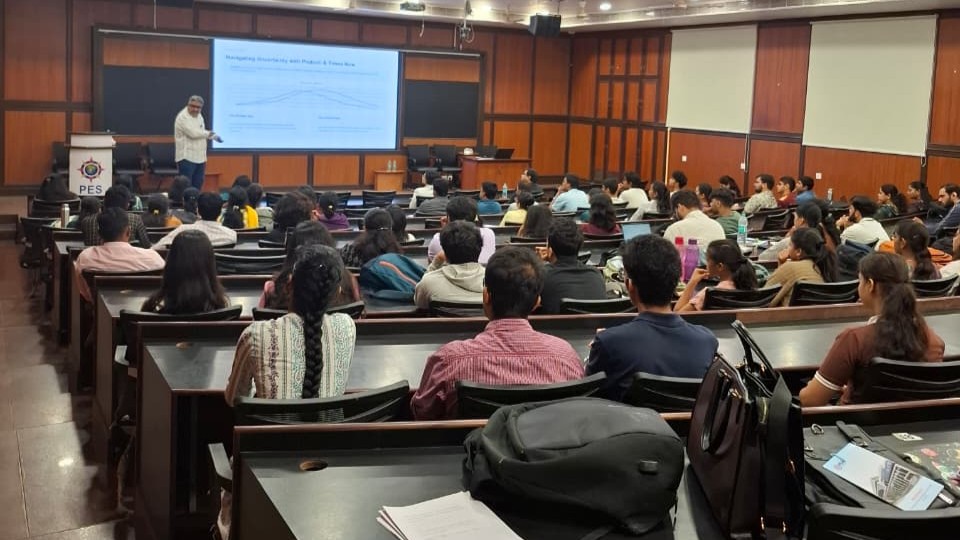
Hosted at the Seminar Hall of the Electronic City Campus, the programme brought together faculty members, researchers, research scholars, and academicians from various institutions for an engaging and intellectually enriching learning experience.
Fostering Responsible Research Practices
The FDP was designed to create awareness about the critical importance of research ethics, publication integrity, responsible authorship, and quality assessment in contemporary research. With the rapid adoption of AI tools in academic work, the programme addressed emerging ethical concerns while encouraging participants to adopt responsible and transparent research practices.
Through expert lectures, case studies, interactive discussions, team activities, and quizzes, the programme created a collaborative platform for meaningful knowledge exchange and critical reflection.
Inaugural Session
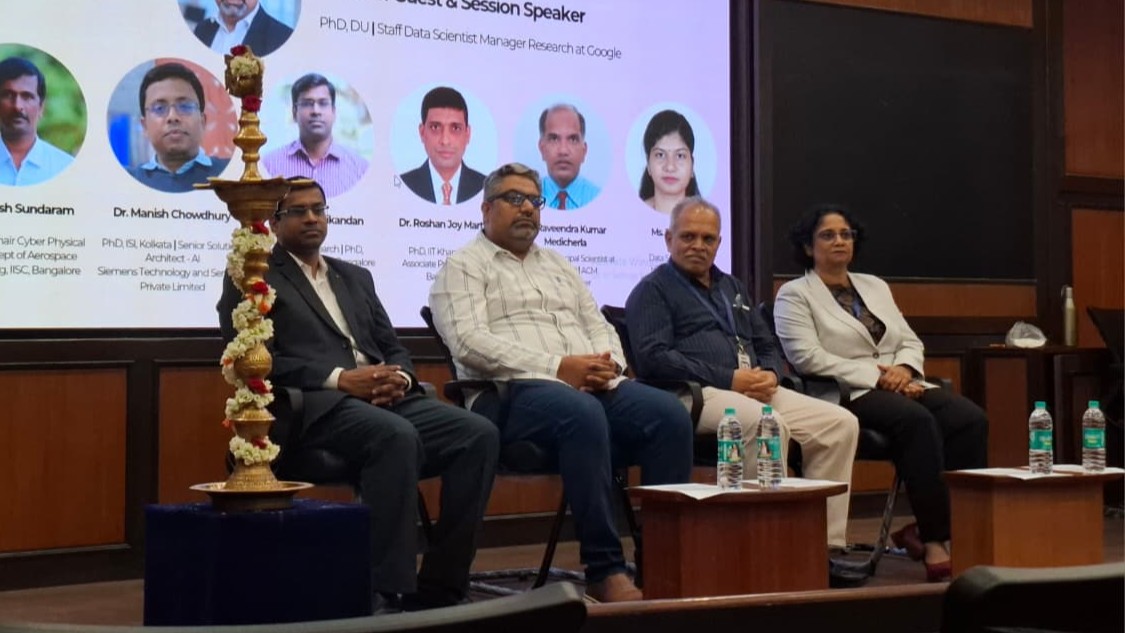
The programme was inaugurated by Dr. Nitin Sachdeva, Staff Data Scientist Manager (Research), Google, who emphasized the growing need for integrity, accountability, and transparency in AI-driven research environments. His address highlighted the responsibility of researchers to uphold ethical standards while leveraging the capabilities of emerging technologies.
The inaugural session set the tone for two days of thought-provoking discussions on maintaining trust, credibility, and excellence in scholarly research.
Exploring Research Quality Beyond Traditional Metrics
One of the key sessions focused on measuring the true impact of research beyond publication counts and citation indices. Participants explored how innovation, societal relevance, reproducibility, ethical conduct, and real-world applicability contribute to meaningful research outcomes.
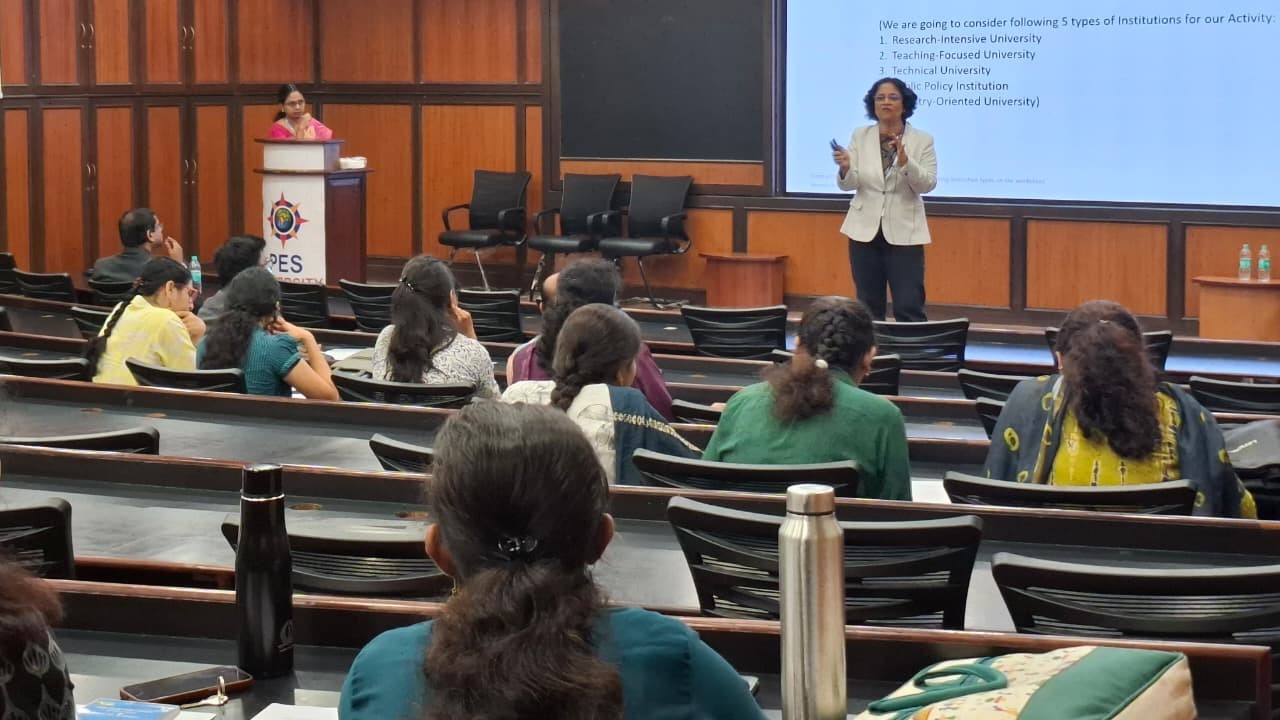
An interactive Research Quality Index (RQI) Design Challenge encouraged participants to develop their own frameworks for evaluating research quality, fostering fresh perspectives on academic impact and excellence.
Publication Ethics and Research Integrity
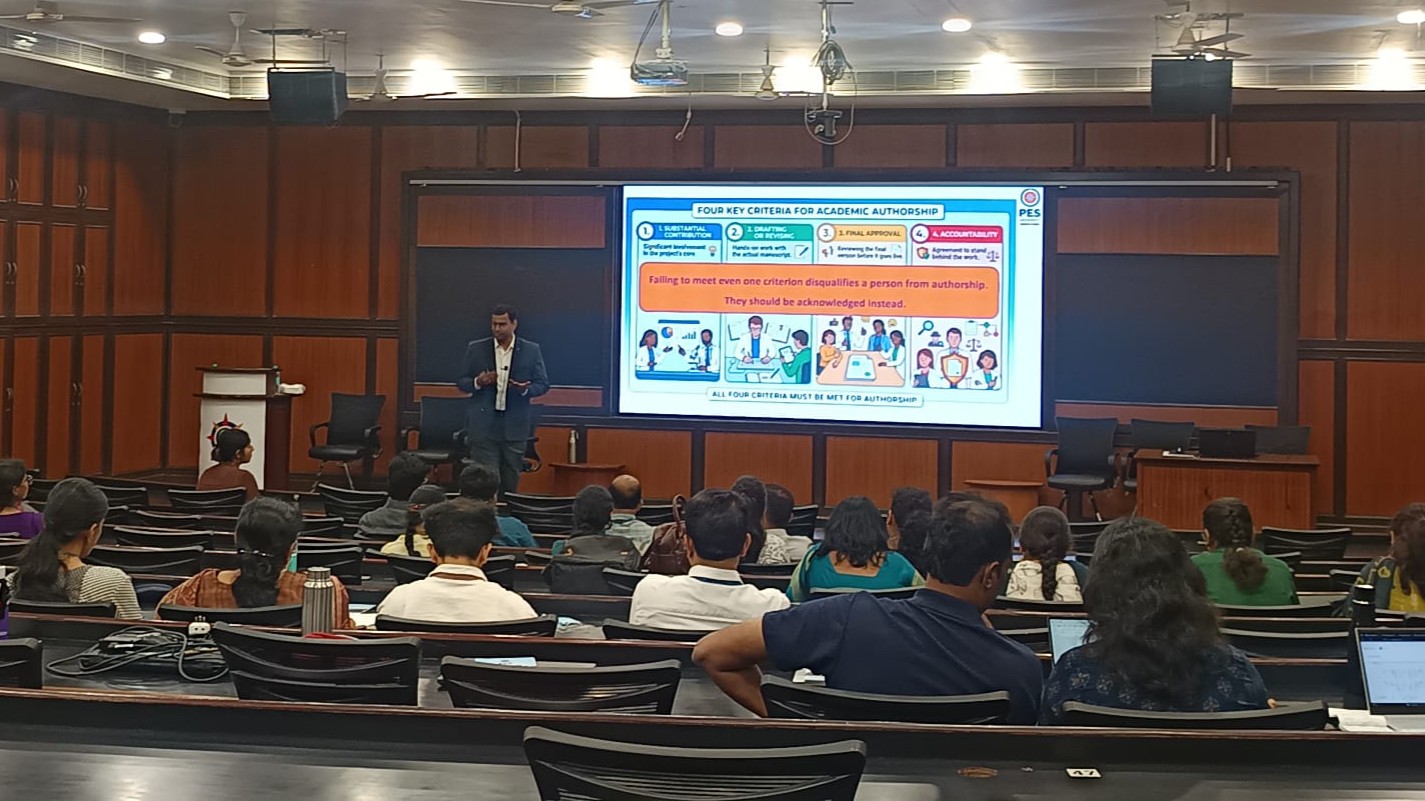
The programme featured extensive discussions on publication ethics, responsible authorship, plagiarism, conflict of interest management, peer review practices, and ethical dissemination of research findings.
Through role-play activities and real-world case studies, participants gained practical insights into navigating complex publication-related dilemmas while maintaining academic integrity.
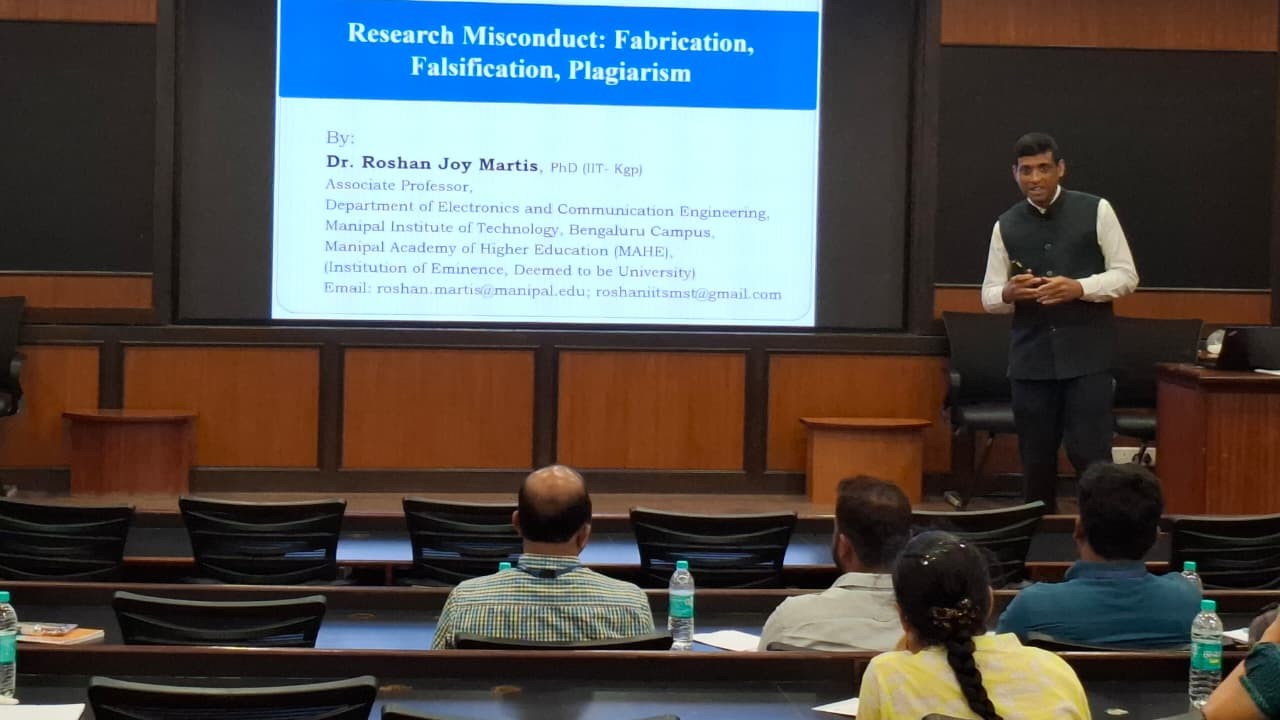
Sessions on fabrication, falsification, and plagiarism further helped attendees understand the consequences of research misconduct and the importance of ethical decision-making in preserving scientific credibility.
Understanding the Ethics of AI in Research
A major highlight of the FDP was its focus on the ethical implications of artificial intelligence in academia.
Experts explored topics such as AI-assisted writing, automated data analysis, algorithmic bias, transparency, accountability, and the importance of human oversight. Participants engaged in a unique "Human vs AI Challenge," where they evaluated research outputs to distinguish between human-generated and AI-generated content.
The session sparked valuable discussions on originality, authenticity, and the responsible use of AI technologies in scholarly work.
Data Ethics and Reproducible Research
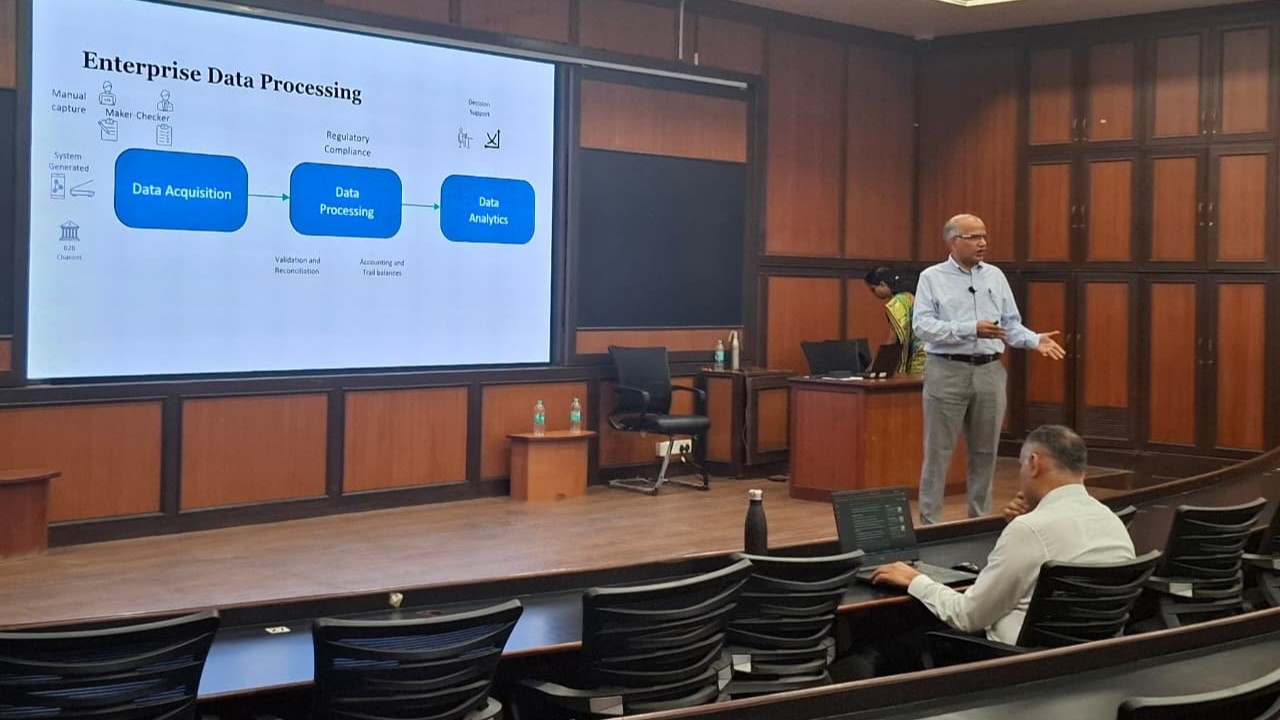
The programme also addressed the growing significance of ethical data management and reproducibility in research. Participants examined issues related to data privacy, consent, storage, transparency, and research reliability.
Through hands-on dataset investigations, attendees learned how bias, inconsistencies, and missing information can affect research outcomes and why responsible data practices are essential for generating trustworthy results.
Identifying Predatory Journals and Academic Scams
In an era where researchers increasingly face challenges from predatory publishers and fraudulent conferences, the FDP provided practical guidance on identifying and avoiding academic scams.
Participants learned how to evaluate journals, conferences, and publishers based on credibility, quality indicators, and ethical publishing standards. Interactive detective-style activities enabled attendees to apply these evaluation techniques to real-world scenarios.
Interactive Learning and Positive Engagement
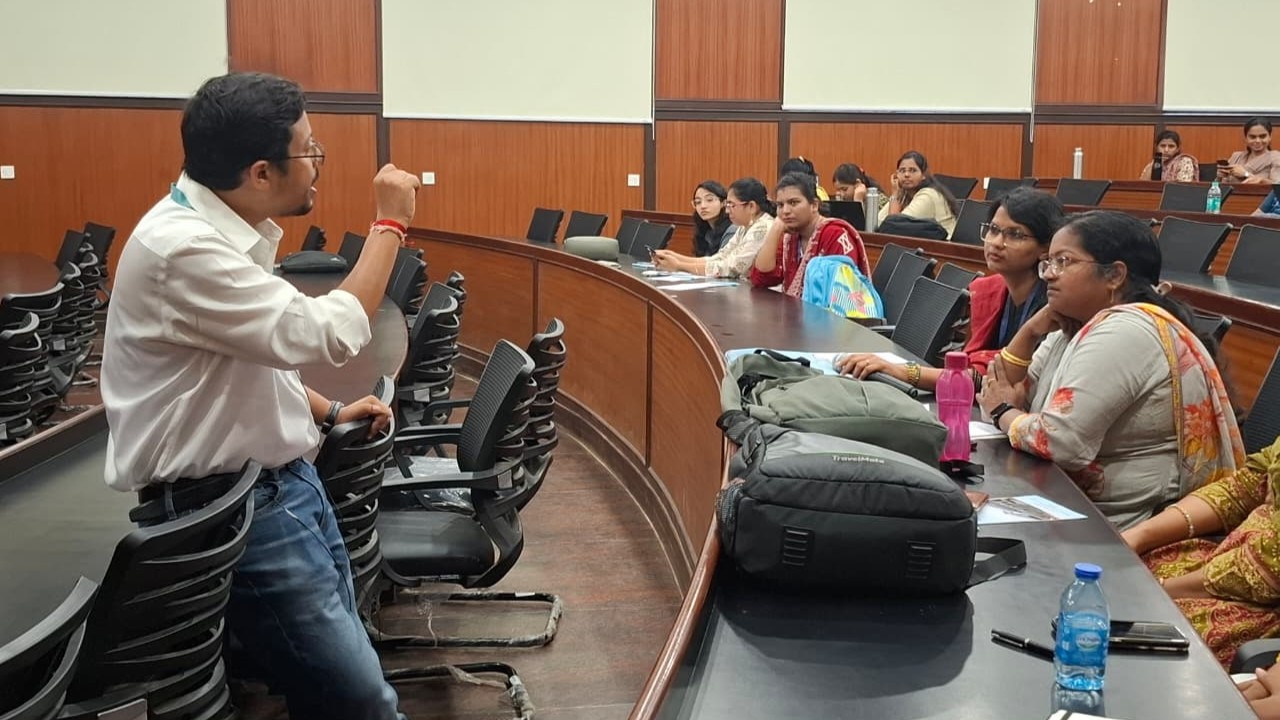
A distinctive aspect of the programme was its highly participatory format. Every session incorporated activity-based learning approaches that encouraged teamwork, discussion, and critical thinking. From ranking exercises and polling activities to case investigations and ethical debates, participants remained actively engaged throughout the two-day event.
The programme received highly positive feedback from attendees, who appreciated the relevance of the topics, practical applicability of the sessions, and expertise of the distinguished speakers.
Building a Culture of Ethical and High-Quality Research
By the conclusion of the programme, participants had developed a deeper understanding of research ethics, integrity, publication standards, quality evaluation metrics, and the ethical challenges associated with Artificial Intelligence.
The FDP successfully equipped researchers and academicians with the knowledge and confidence needed to conduct responsible, transparent, and impactful research in an evolving digital and AI-enabled academic ecosystem.
Through initiatives like this, the Department of CSE (AI & ML), PES University EC Campus continues to strengthen its commitment to fostering ethical scholarship, responsible innovation, and research excellence, preparing educators and researchers to navigate the opportunities and challenges of the AI era with integrity and professionalism.
Keep Reading
More from PESU EC Campus
Operate X’26: Redefining the Future of Operations Through Intelligence, Resilience, and Innovation
Learning Across the Edge: Exploring Federated Learning with Neural Hive
Building the Future with Augmented Reality: A Glimpse into Parallax's AR Workshop