
ECE Department Hackathon 2026 at PES University EC Campus
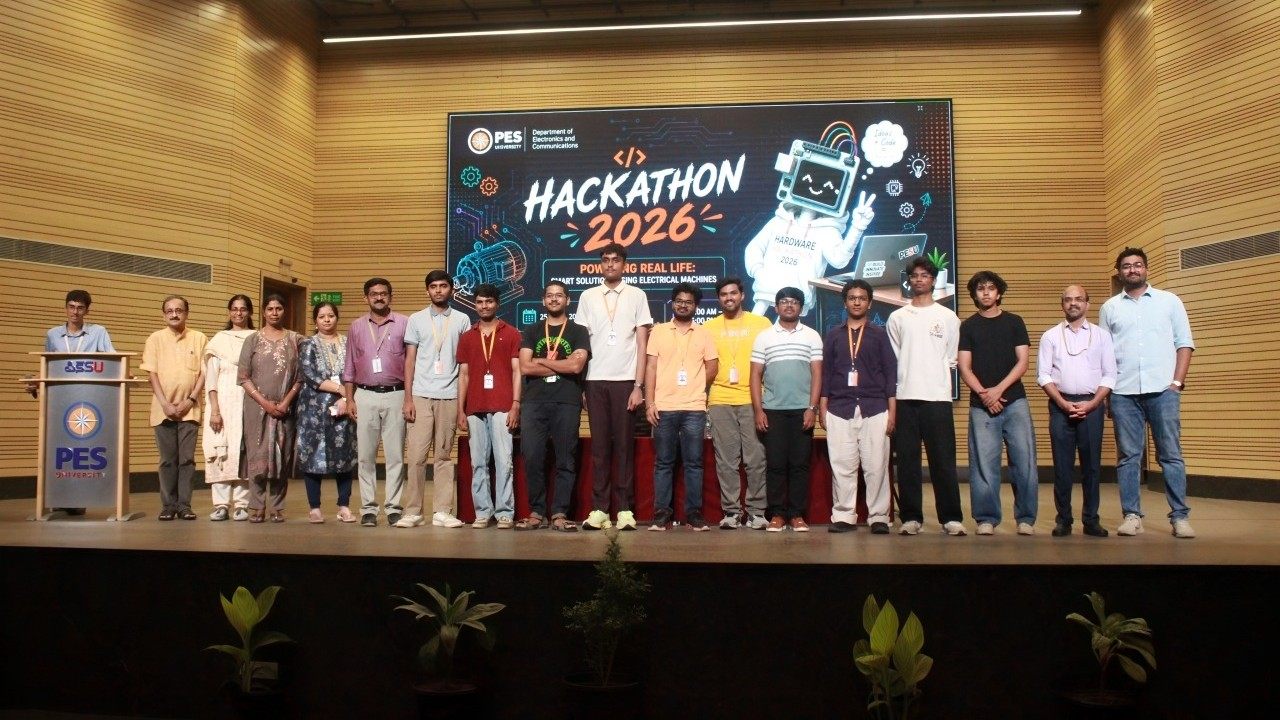
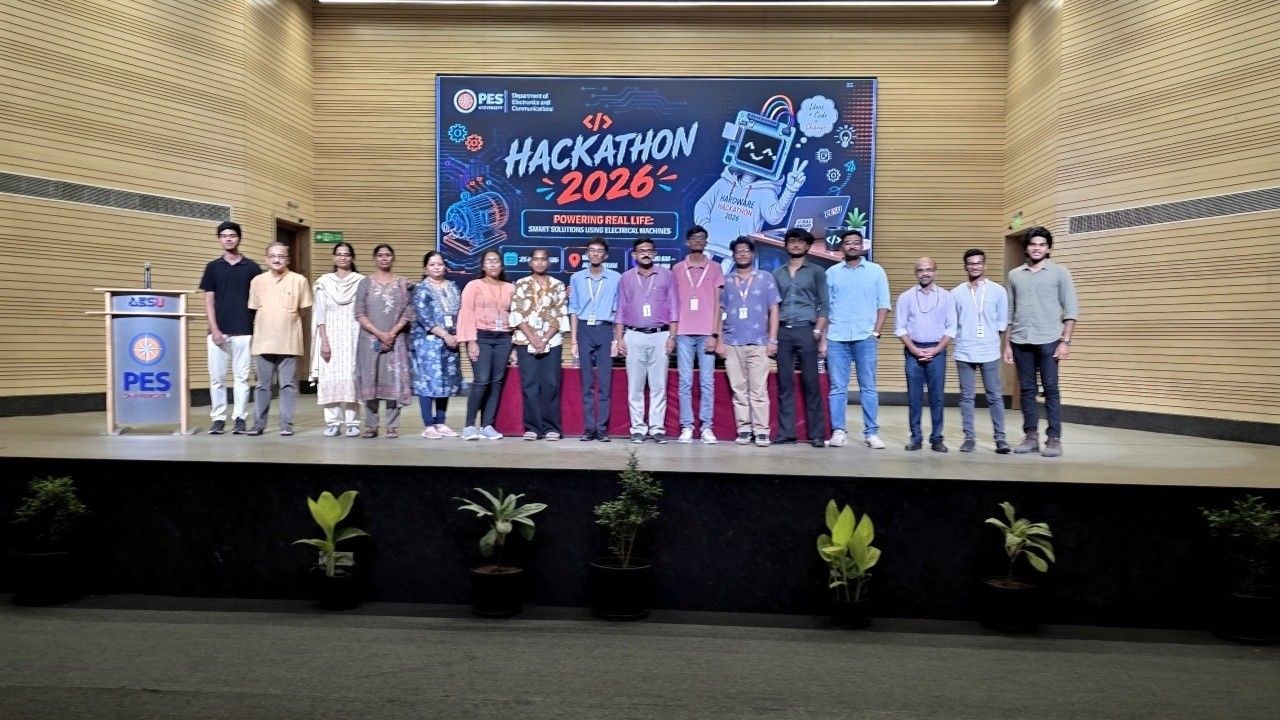
The Department of Electronics and Communication Engineering (ECE) at PES University, Electronic City Campus, successfully organized an engaging and impactful Hackathon for first-year students on April 25, 2026. The event aimed at motivating students to apply concepts learned in their Electrical and ...
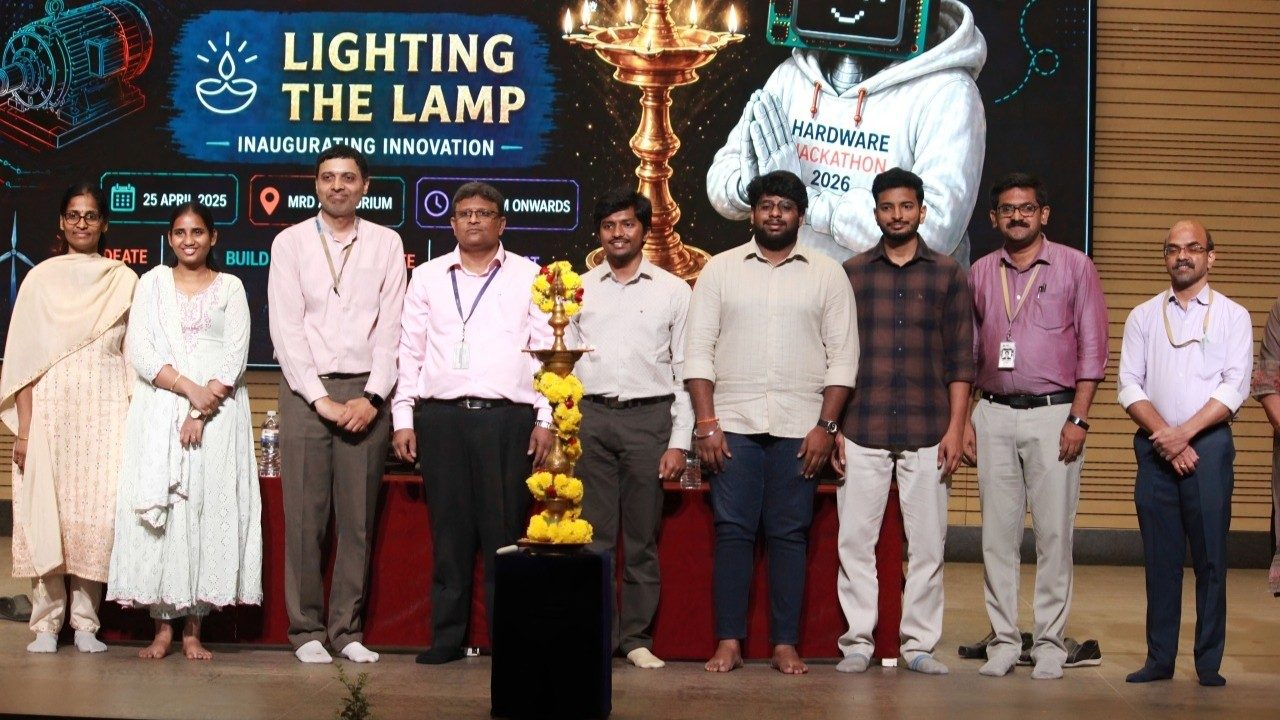
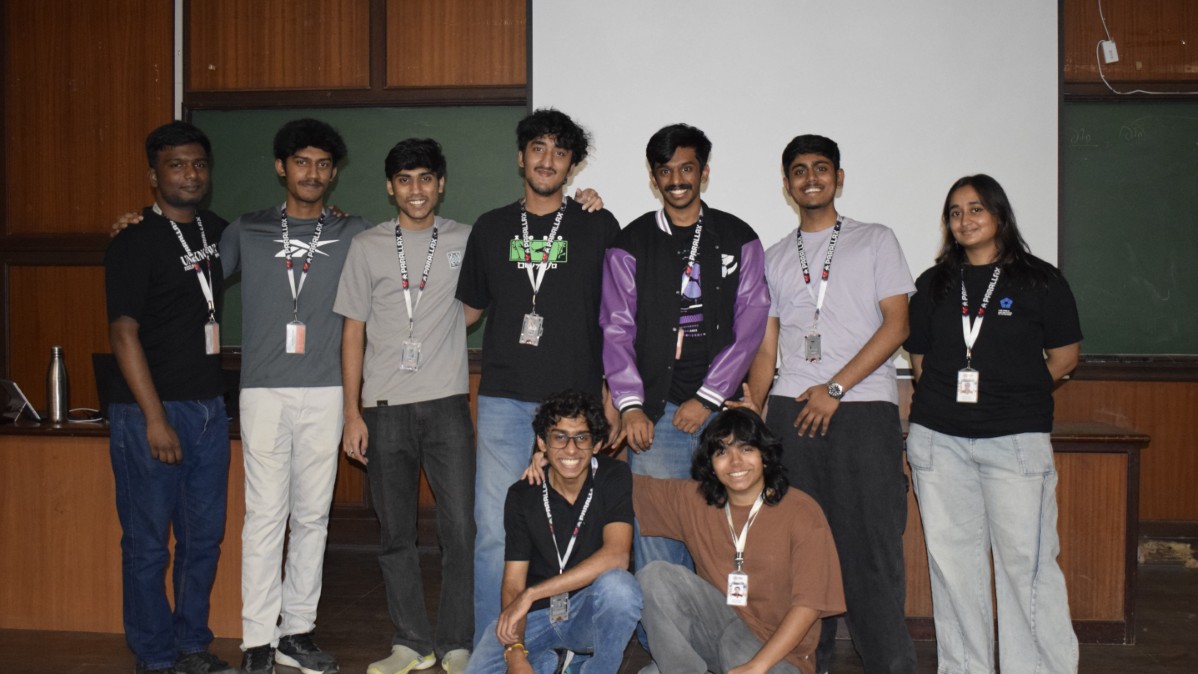
The Department of Electronics and Communication Engineering (ECE) at PES University, Electronic City Campus, successfully organized an engaging and impactful Hackathon for first-year students on April 25, 2026. The event aimed at motivating students to apply concepts learned in their Electrical and Electronics Engineering (EEE) course to solve real-life problems through innovative thinking and practical implementation.
Inauguration Ceremony
The hackathon commenced on an auspicious note with the lighting of the ceremonial lamp, symbolizing knowledge and innovation. The ceremony was graced by:
- Dr. Ajey S. N. R – Chairperson, ECE Department
- Dr. Bajaranga Bali – Professor, ECE Department
Along with distinguished industry guests:
- Mr. Grandhi Pavan Kumar – Principal Consultant, Mercedes-Benz R&D India
- Mr. Devesh B. – Digital Design Engineer, Analog Devices
- Mr. Babu Reddy – Enterprise Growth Lead – SEA, Bizom
- Mr. Sumanth Kakumanu – Test Engineer, Mercedes-Benz R&D India
The guests shared valuable insights into real-world engineering challenges and appreciated the innovative approaches presented by students during the hackathon.
Core Activities
- Motivation Towards Hardware Design
The guests emphasized the importance of early involvement in hardware design and research, inspiring first-year students to explore beyond theory and build practical solutions.
- Strategic Guidance
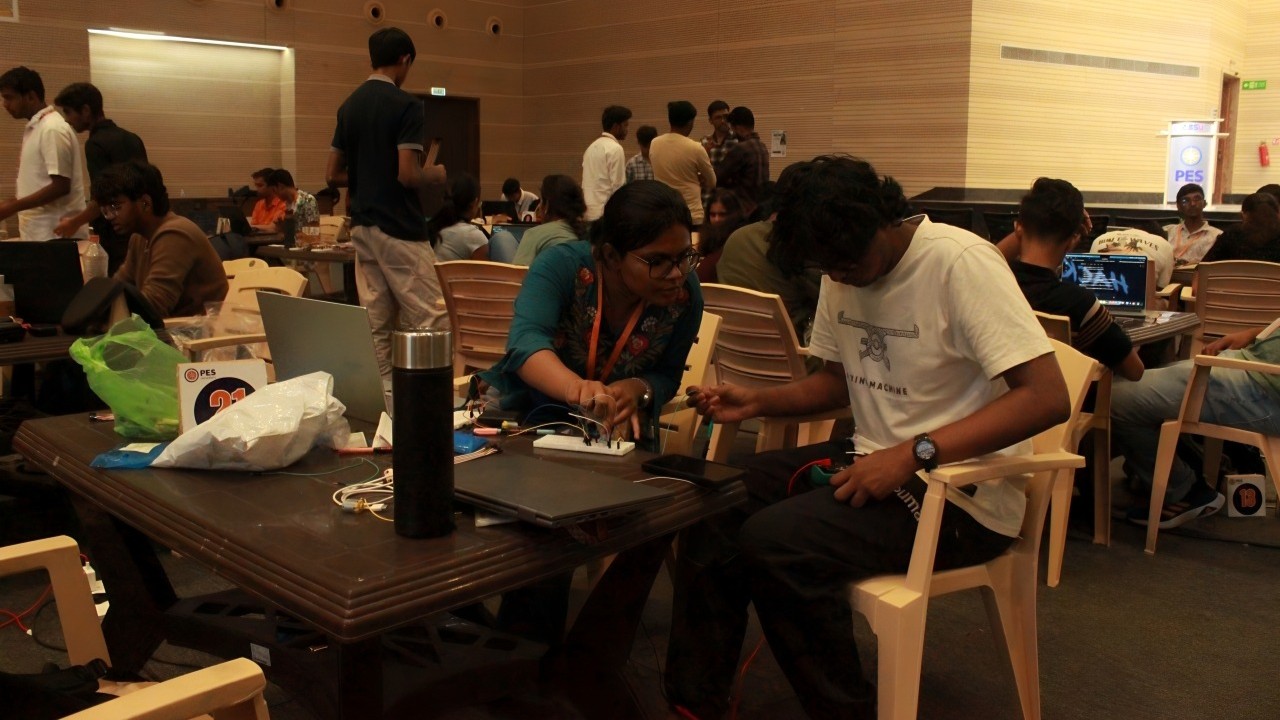
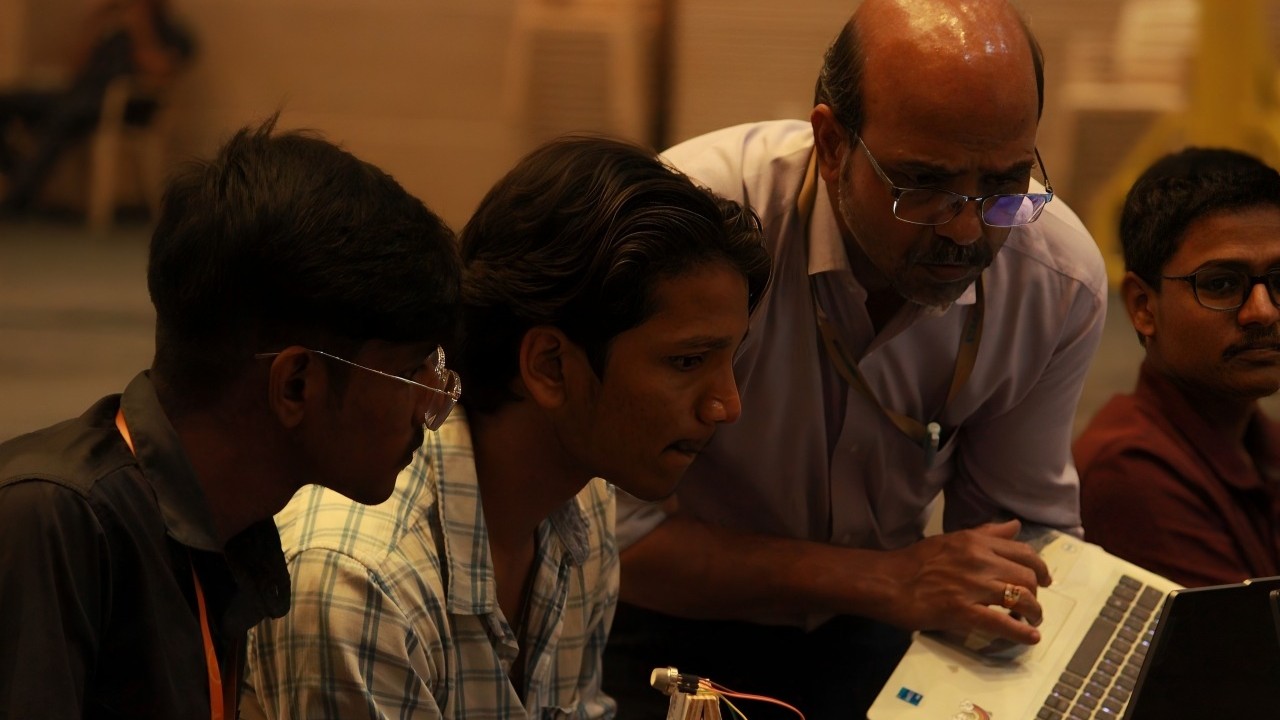
Faculty members and industry experts actively mentored participating teams, encouraging them to think critically and approach problems with innovative, scalable solutions.
- Judging Rounds
The competition was conducted in two rounds of evaluation, where teams demonstrated their ideas, prototypes, and problem-solving approaches.
- Prize Distribution
The hackathon concluded with the recognition of the top three teams, who were awarded certificates for their outstanding performance.
Winner Teams
First Prize – “Electro Wizards”
- Shara S G
- Sreehaas V
- Bhuvan V
- Shubham M Joshi
Second Prize – “Tele Tubbies”
- Mokshith Agarwal
- K. Nikhil
- Om S Pai
- Navneeth Krishna Kalyankar
Third Prize – “SYBA”
- Agasthya Chitikesi
- Akhilesh S Rao
- Akshar S R
- Akshaj Acharya
Impact & Key Takeaways
The hackathon provided students with a highly enriching experience, highlighting:
- Hands-on learning in hardware implementation integrated with coding
- Development of problem-solving and analytical skills
- Improved understanding of firmware concepts
- Exposure to industry perspectives and real-world challenges
- Strengthened ability to collaborate in teams
Conclusion
The hackathon was a remarkable success, showcasing the enthusiasm and potential of first-year students. Participants demonstrated innovative solutions addressing real-time industry problems using electrical machines and embedded concepts.
Such initiatives by the ECE Department significantly contribute to bridging the gap between academic learning and industrial application, fostering a culture of creativity, collaboration, and technical excellence among students.
Keep Reading
More from PESU EC Campus
Operate X’26: Redefining the Future of Operations Through Intelligence, Resilience, and Innovation
Learning Across the Edge: Exploring Federated Learning with Neural Hive
Building the Future with Augmented Reality: A Glimpse into Parallax's AR Workshop