
PESUIMSR Observes World Population Day with Community Health Awareness Programme
Creating awareness about population health, family planning, and reproductive well-being is essential for building healthier communities and ensuring sustainable development. In observance of World Population Day 2026, the Department of Community Medicine, through its Rural Health Training Centre at...
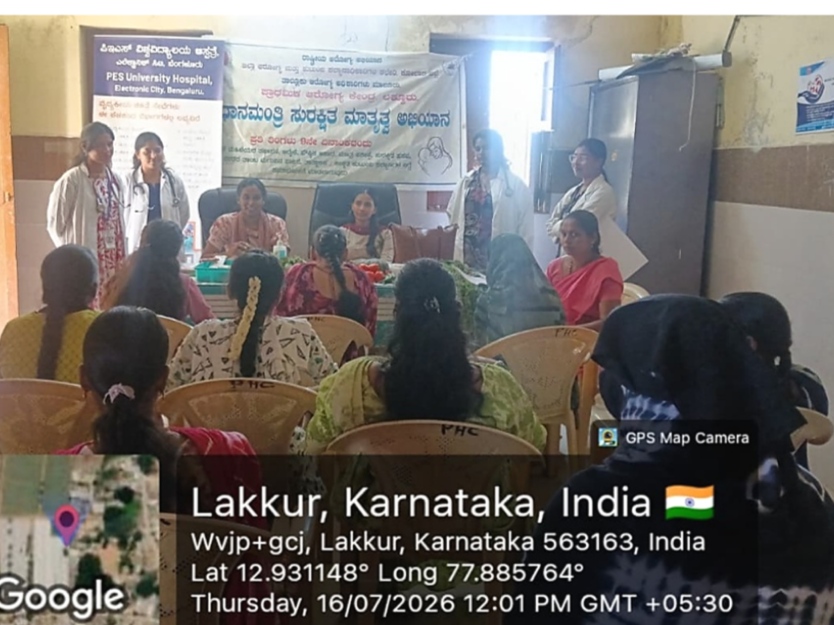
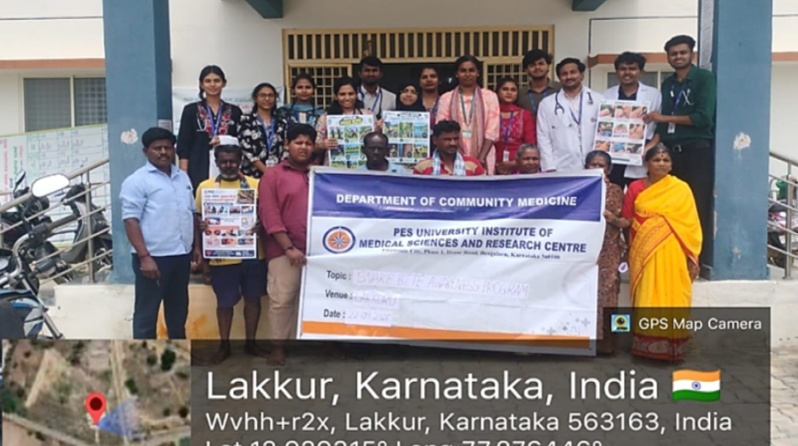
Creating awareness about population health, family planning, and reproductive well-being is essential for building healthier communities and ensuring sustainable development. In observance of World Population Day 2026, the Department of Community Medicine, through its Rural Health Training Centre at Lakkur, organized a health awareness programme at the Primary Health Centre, Lakkur.
The programme was conducted under the global theme “Realizing the Hopes and Aspirations of Young People – Today and for the Future,” emphasizing the importance of informed choices, reproductive health, and population stabilization in shaping a healthier future for individuals and communities.
Promoting Awareness on Population Stabilization
The awareness initiative brought together antenatal mothers and parents of children under five years of age, providing them with valuable information on population-related health issues and the importance of responsible family planning.
Health educators highlighted the need for population stabilization and discussed how informed reproductive choices contribute to improved maternal and child health, enhanced quality of life, and sustainable community development.
Focus on Reproductive Health and Family Planning
A key component of the programme was educating participants about reproductive health and modern family planning methods. Healthcare professionals explained the importance of birth spacing and its role in improving the health outcomes of both mothers and children.
Special emphasis was placed on maintaining a healthy birth interval of 24 to 36 months, helping participants understand how appropriate spacing between pregnancies can contribute to better maternal recovery and healthier child development.
Educating Communities on Available Family Planning Options
The session provided comprehensive information about postpartum family planning and the range of contraceptive services available through government healthcare systems.
Participants were introduced to various temporary and permanent family planning methods, including
- Condoms
- Postpartum Intrauterine Contraceptive Devices (PPIUCD)
- Intrauterine Contraceptive Devices (IUCD)
- Antara Injection
- Chhaya Contraceptive Pills
- Lactational Amenorrhea Method (LAM)
- Permanent Sterilization Procedures
The healthcare team explained the benefits and appropriate use of these methods, enabling participants to make informed decisions regarding their reproductive health.
Empowering Families Through Informed Choices
The programme emphasized that timely adoption of family planning practices plays a significant role in improving the health and well-being of mothers, children, and families as a whole. Participants were encouraged to seek guidance from healthcare professionals and utilize available government health services to access appropriate reproductive healthcare support.
Interactive discussions provided an opportunity for attendees to clarify doubts, gain practical knowledge, and better understand the importance of planning families according to their health and personal circumstances.
Supporting Healthier Communities
World Population Day serves as an important reminder of the need to address population and reproductive health challenges through education, awareness, and community engagement. By conducting outreach programmes such as this, PESUIMSR continues to strengthen public health awareness and promote informed decision-making among community members.
The initiative successfully reinforced the importance of family planning, reproductive health, and healthy birth spacing, contributing to the overall goal of improving maternal and child health outcomes while supporting the aspirations of future generations.
Keep Reading
More from PESUIMSR
Orientation and White Coat Ceremony Marks the Beginning of a Noble Medical Journey at PESUIMSR
World Rabies Day 2026: Spreading Awareness for Prevention and Protection
International Snakebite Awareness Day 2026 Observed at Lakkur PHC