
PES University Faculty Explore Sustainable BioGas Operations at Empire Koramangala
On June 9th, 2026, faculty members from the BBA – HEM Department, PES University visited Empire Restaurant, Koramangala, to observe and understand the functioning of a fully operational BioGas chamber integrated into the restaurant’s daily operations. The visit provided an insightful lea...
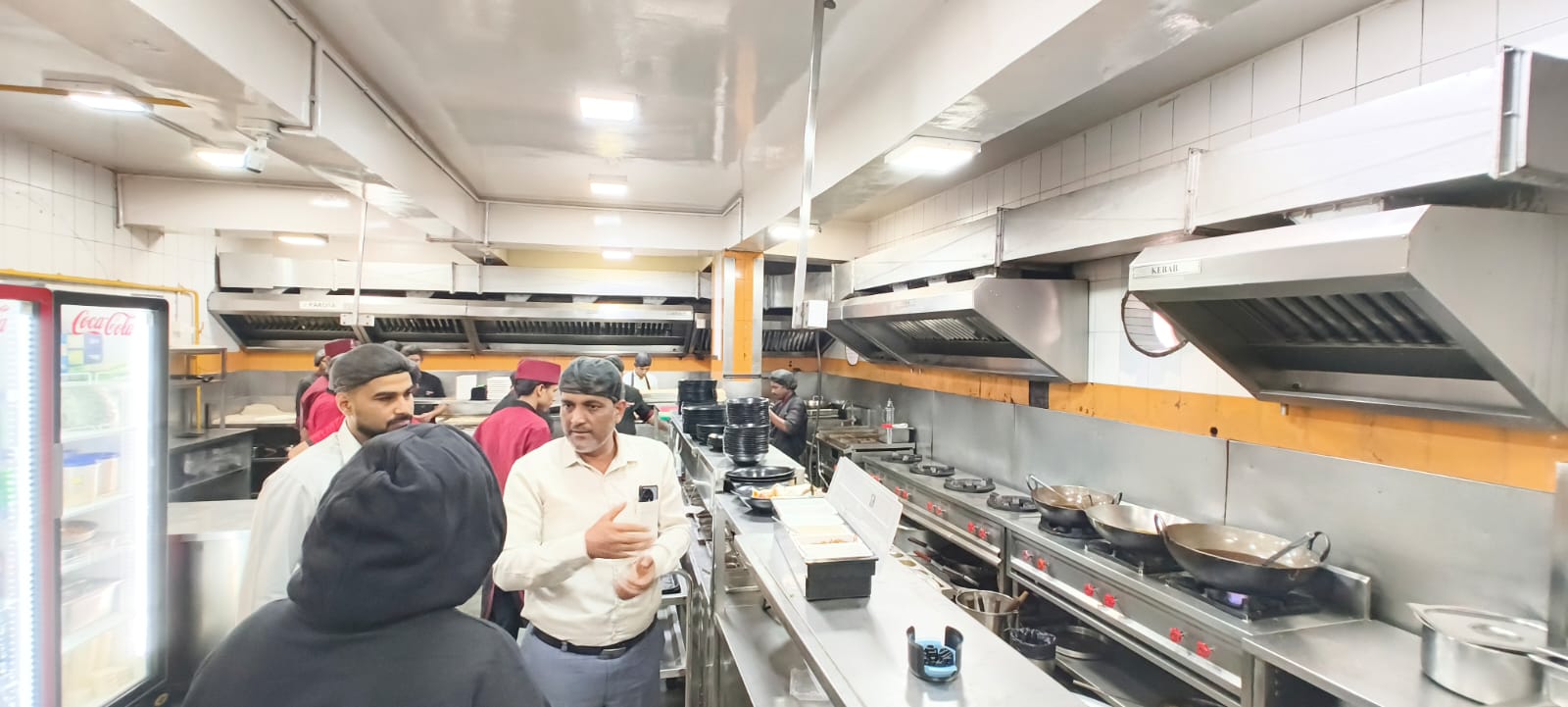
On June 9th, 2026, faculty members from the BBA – HEM Department, PES University visited Empire Restaurant, Koramangala, to observe and understand the functioning of a fully operational BioGas chamber integrated into the restaurant’s daily operations. The visit provided an insightful learning experience on sustainability practices within the hospitality industry.
Event Overview
The visit was held from 12:15 p.m. to 3:15 p.m., offering a structured tour of the restaurant’s waste management system, BioGas production setup, and kitchen facilities.
The session was coordinated by Prof. Jaykumar, with Prof. Nagarjun Nayani and Ms. Bhumika Raghunath attending as part of the curated faculty development exposure.
The resource person for the visit, Mr. Abdul Gaffar, guided the faculty through each stage of the BioGas process and explained how the system supports the restaurant’s operations.
Programme Schedule
The learning itinerary for the visit included
- 12:15–1:00 PM: Introduction to Empire Restaurant and its operational background
- 1:15–2:15 PM: Visit to the GBA Waste Dump to understand waste collection and segregation
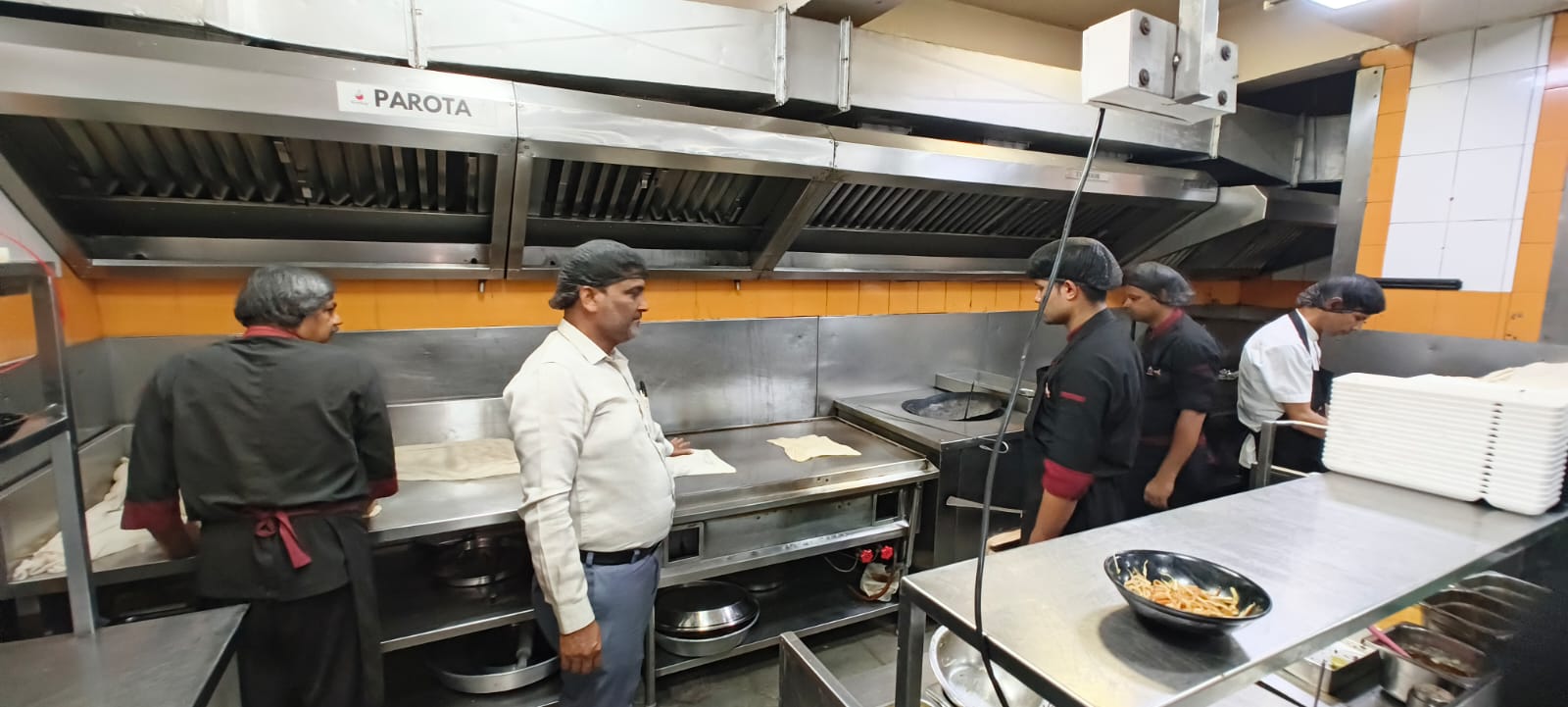
- 2:15–3:15 PM: Kitchen walkthrough, exploring gas lines, safety systems, and the integration of BioGas into cooking operations
Key Highlights
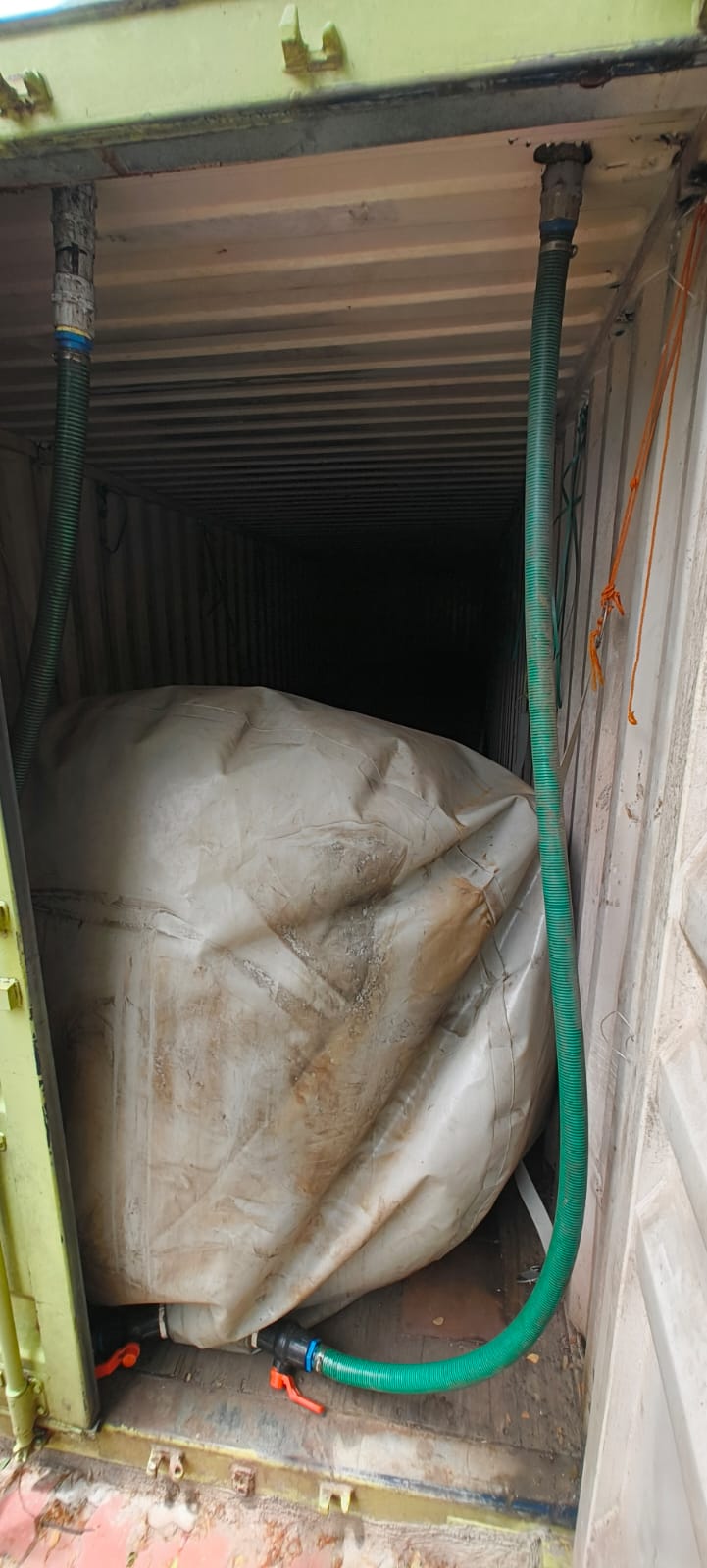
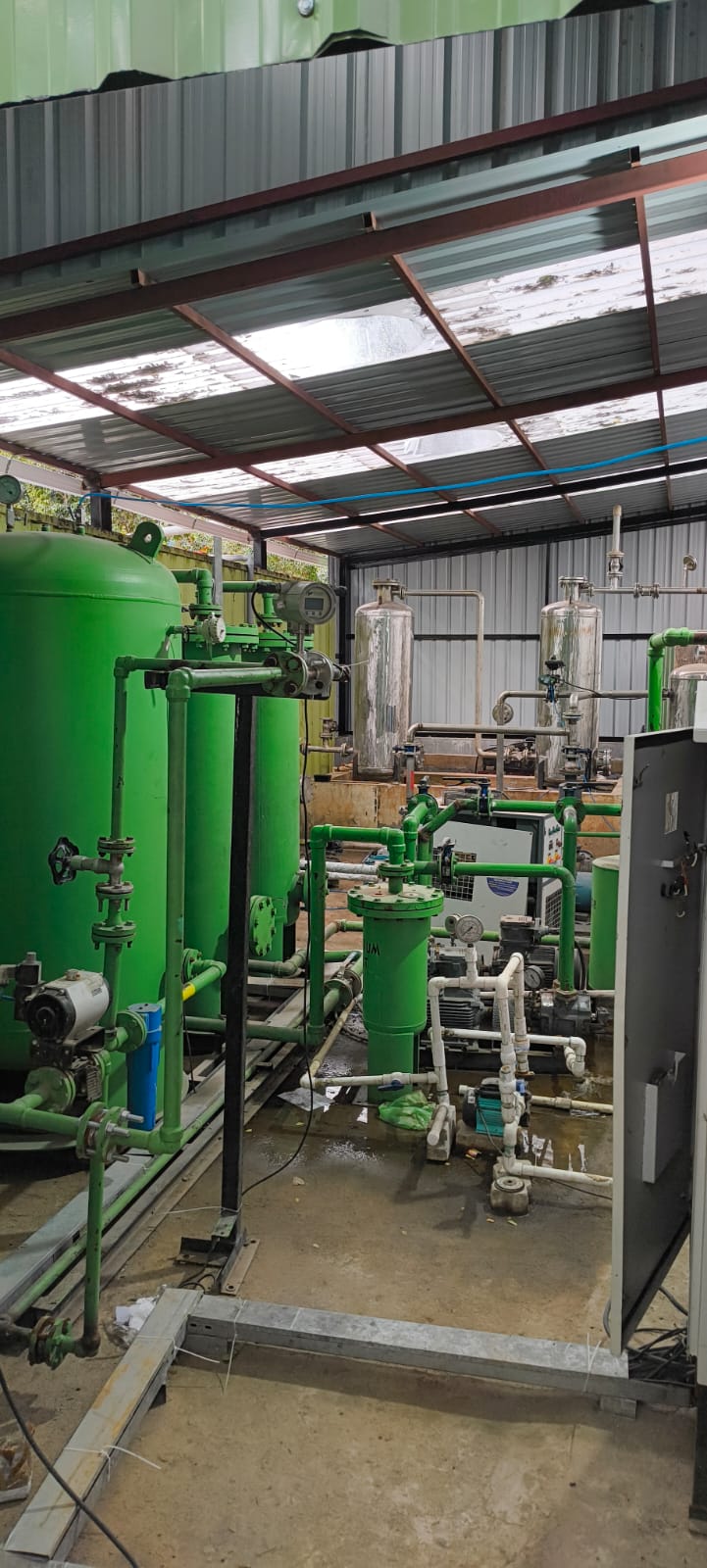
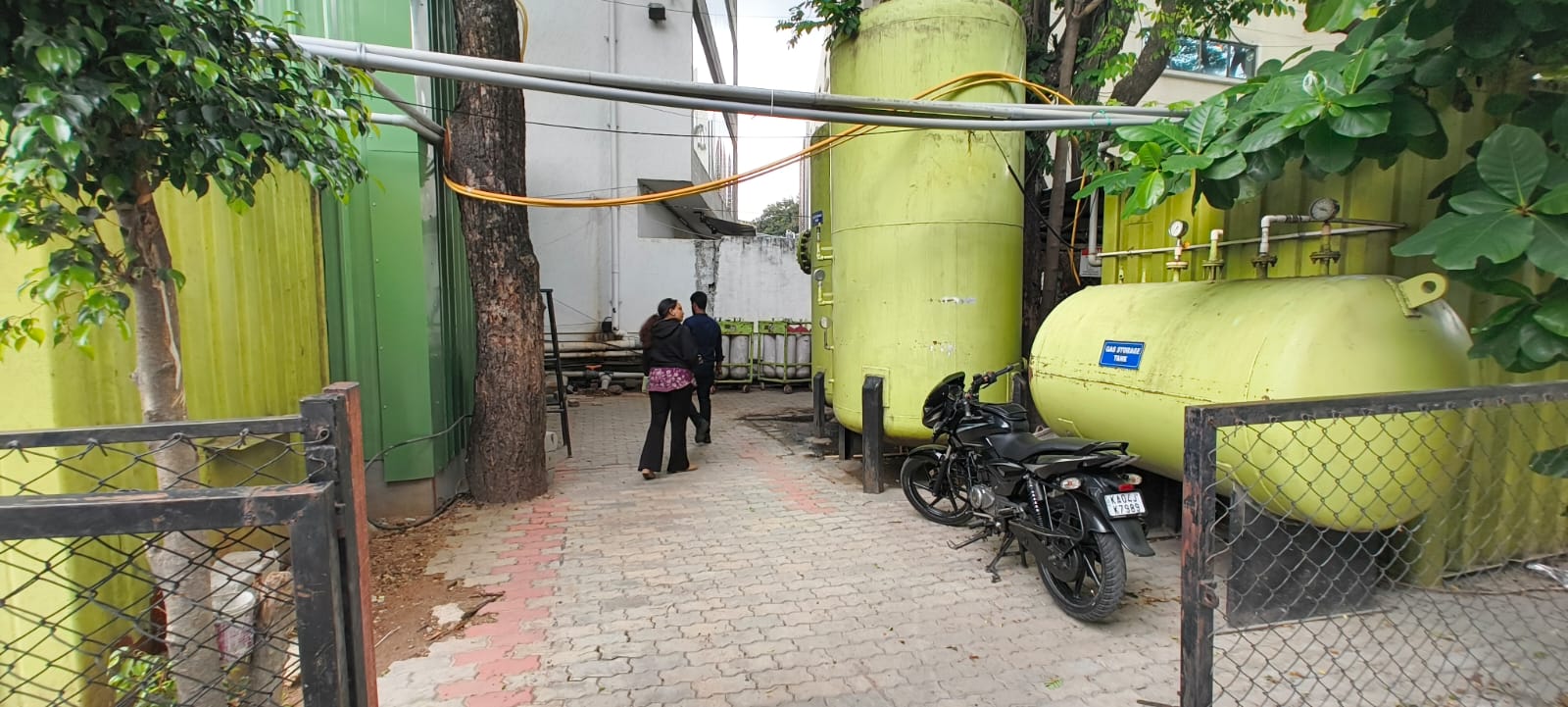
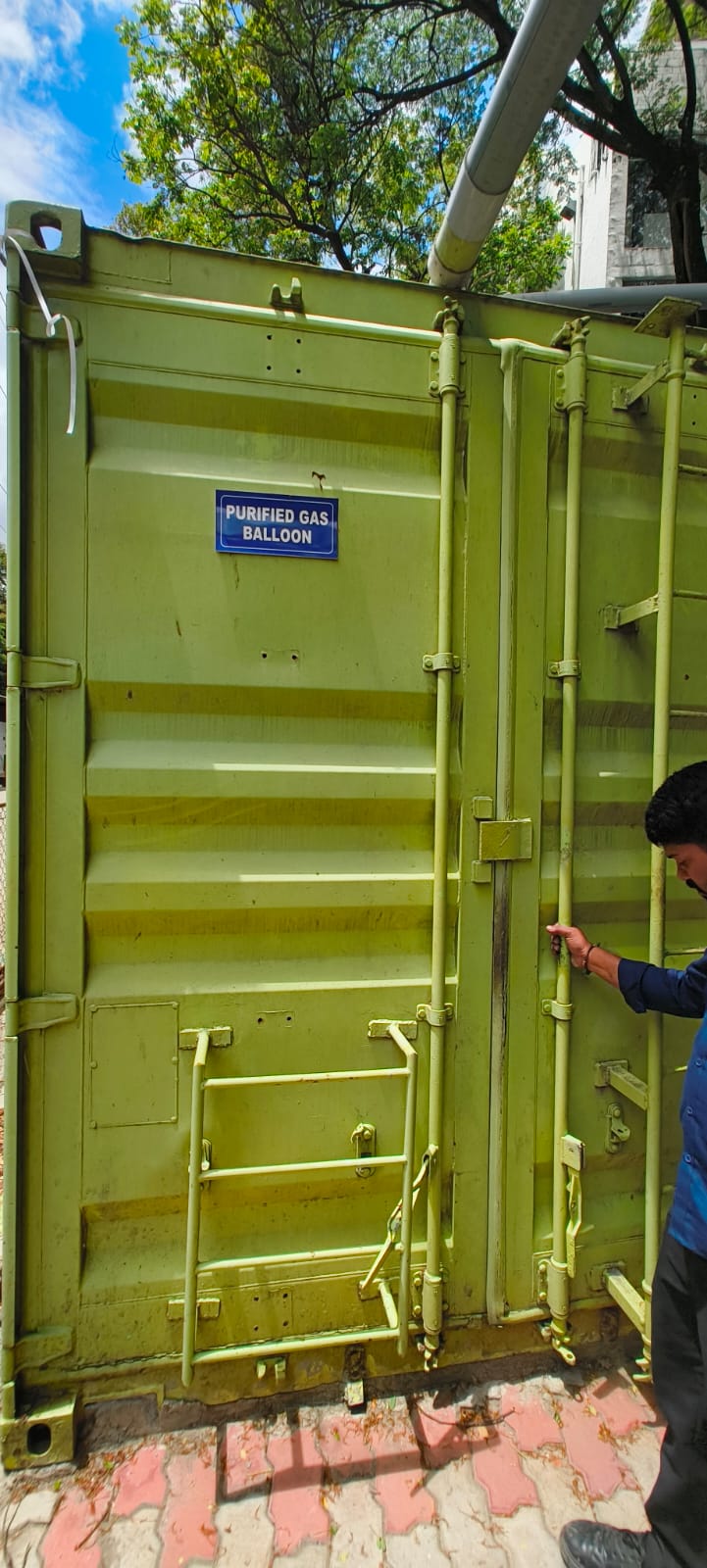
One of the most striking insights from the visit was witnessing a live, fully functional BioGas chamber installed adjacent to the restaurant. The chamber supports all kitchen operations with 100% BioGas, eliminating the need for LPG. This demonstrated a real-world model of sustainable, waste‑to‑energy transformation being adopted by a commercial kitchen.
The visit did not involve student participants or award segments, as it was specifically designed as a faculty-focused learning exposure.
Learning Outcomes
The visit offered valuable takeaways for hospitality educators, including
- Understanding the complete setup and functioning of a BioGas chamber
- Observing the conversion of organic waste into usable, renewable energy
- Gaining insights into sustainable kitchen management practices
- Exploring the feasibility and benefits of eco-friendly energy solutions in hospitality operations
These learnings contribute directly to enhancing sustainability‑oriented curriculum and strengthening practical knowledge for future hospitality professionals.
Conclusion
Curated by BBA‑HEM, PES University, the visit showcased the university’s commitment to experiential learning and environmental responsibility. By engaging with real-world sustainable technologies, faculty members gained relevant insights that will enhance academic delivery and inspire future industry‑aligned projects.
Keep Reading
More from PESU RR Campus
PES University Professor Honoured with Karnataka Nataka Academy Award
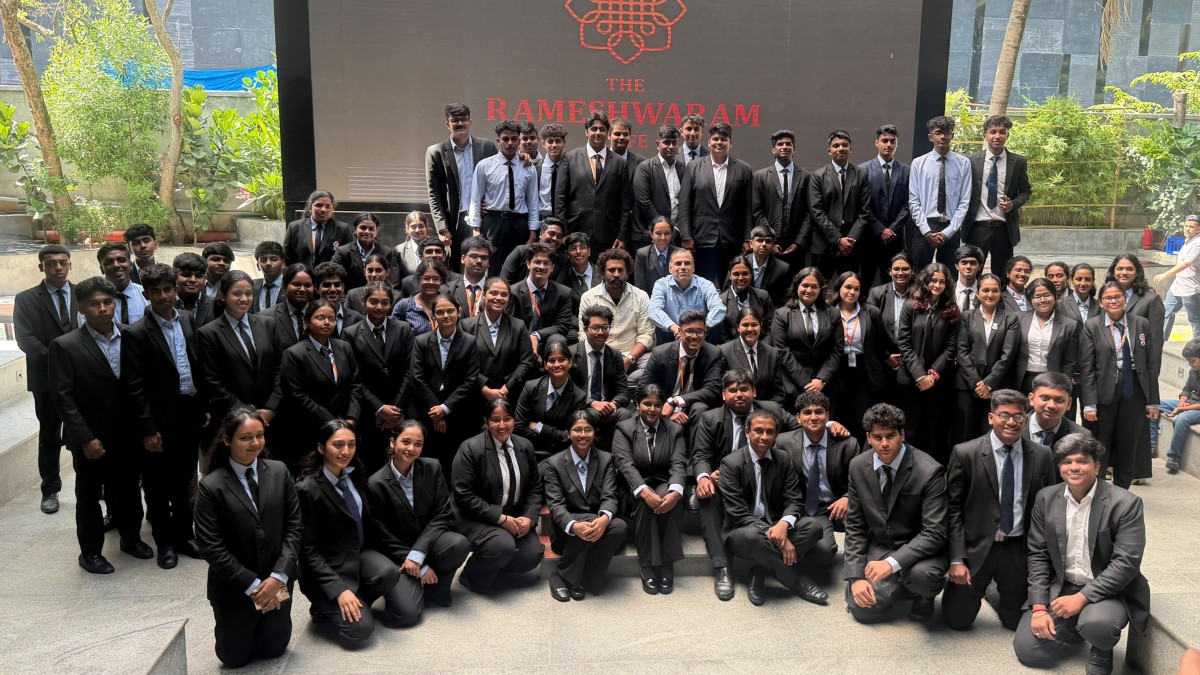
Industrial Visit to Rameshwaram Café: Bridging Classroom Learning with Industry Experience
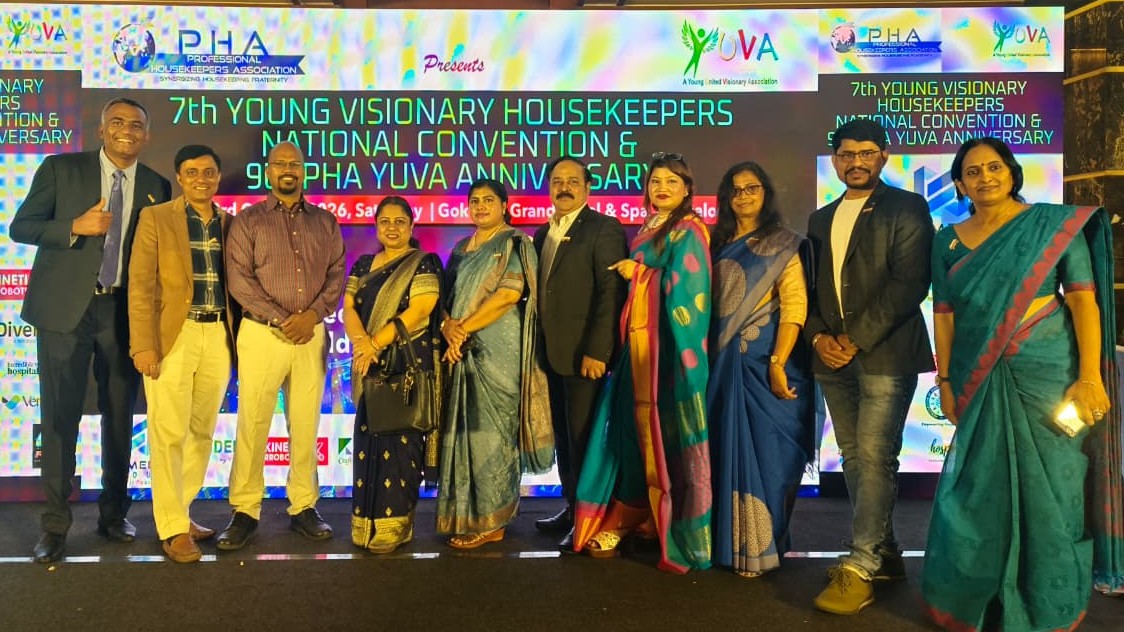
7th Young Visionary Housekeepers National Convention and 9th PHA Yuva Anniversary: Celebrating Innovation in Hospitality