
Hardwired 2026: PES University Hosts Its Maiden VLSI Hackathon
Innovation, problem-solving, and hands-on engineering took center stage as the Department of Electronics and Communication Engineering (ECE), PES University RR Campus, successfully organized “Hardwired”, a 1.5-day VLSI-focused hackathon that brought together aspiring engineers to tackle ...
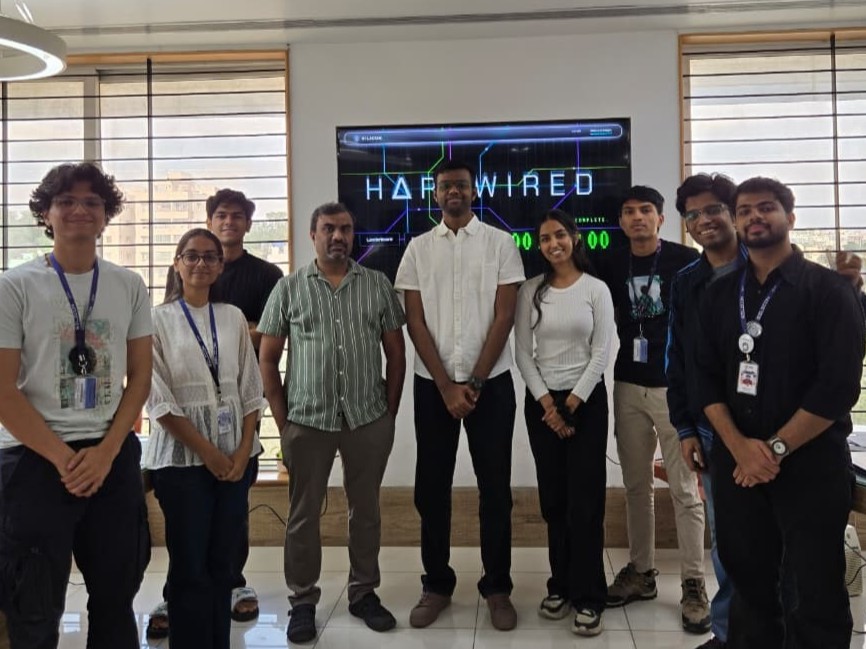
Innovation, problem-solving, and hands-on engineering took center stage as the Department of Electronics and Communication Engineering (ECE), PES University RR Campus, successfully organized “Hardwired”, a 1.5-day VLSI-focused hackathon that brought together aspiring engineers to tackle real-world challenges in semiconductor design and hardware systems.
Organized by Silicon, the VLSI student vertical under the ECE Tech Forum, the event was held on February 21 and 22, 2026, marking a significant milestone as the first dedicated VLSI hackathon hosted at the RR Campus.
A Platform for Future Chip Designers
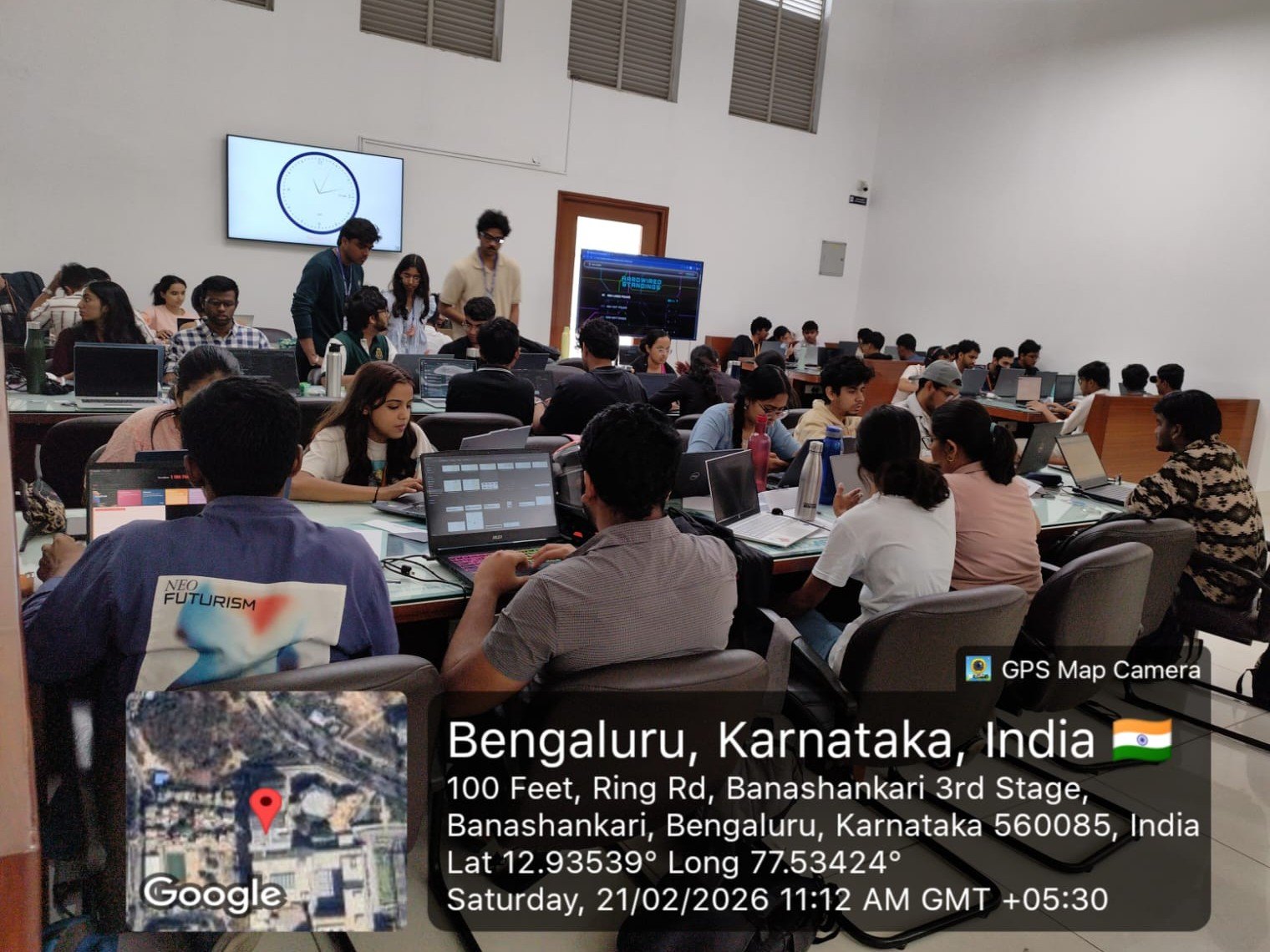
Hardwired 2026 attracted enthusiastic participation from students across disciplines, with 32 teams comprising students from the 4th and 6th semesters of ECE, EEE, and CSE from both PES University campuses. The hackathon was designed to test technical competence, creativity, teamwork, and problem-solving skills in areas related to VLSI, hardware implementation, and embedded systems.
The event provided students with a unique opportunity to engage with practical challenges beyond the traditional classroom environment, encouraging them to apply theoretical concepts to real engineering scenarios.
An Exciting Multi-Stage Competition
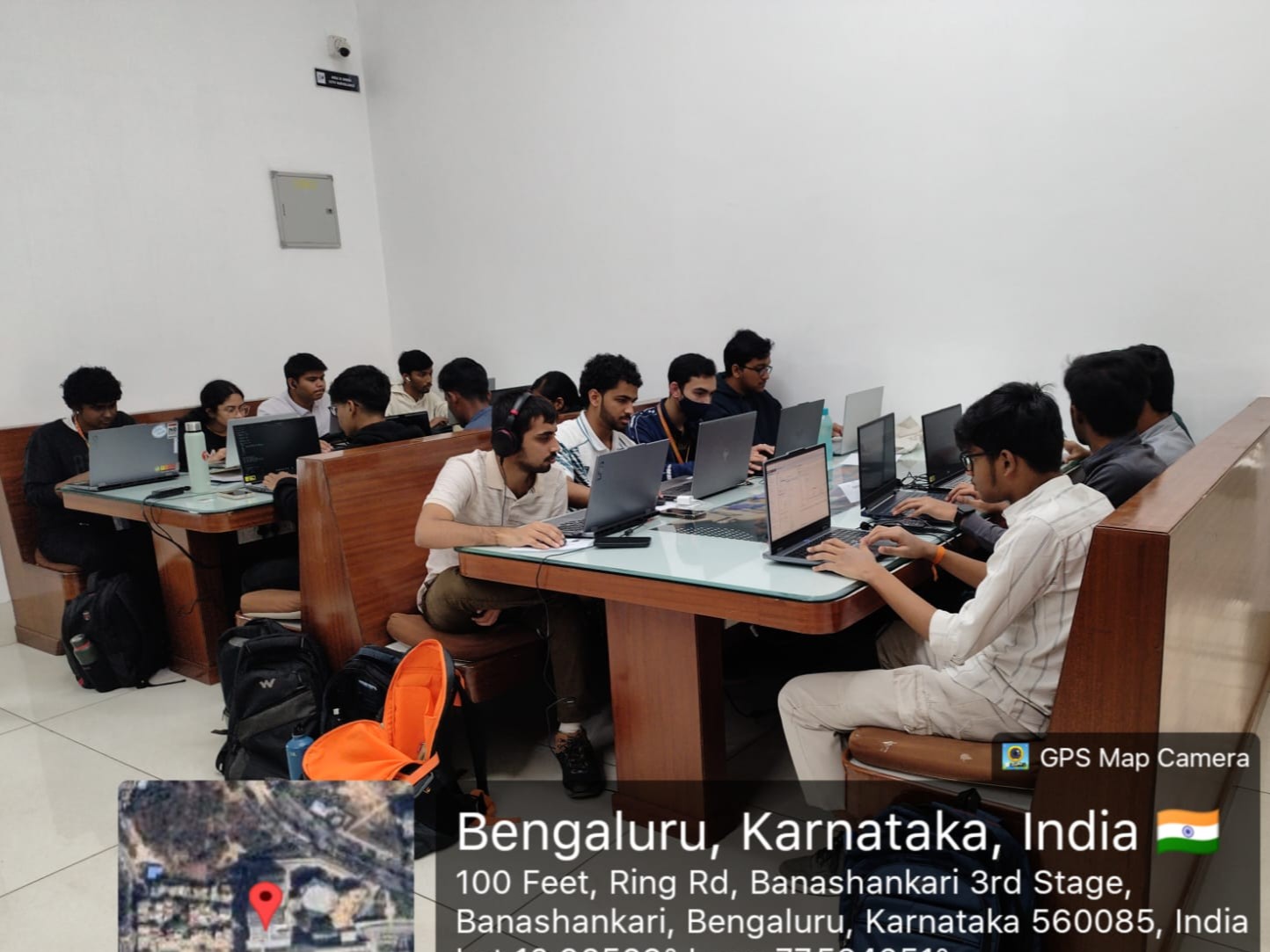
The hackathon began with an elimination round conducted in an engaging Capture-The-Flag (CTF) format. Teams were presented with a pool of technical problem statements and challenged to solve as many as possible within the allotted timeframe.
Based on their performance in the preliminary stage, the top eight teams advanced to the quarterfinals, setting the stage for an intense second day of competition.
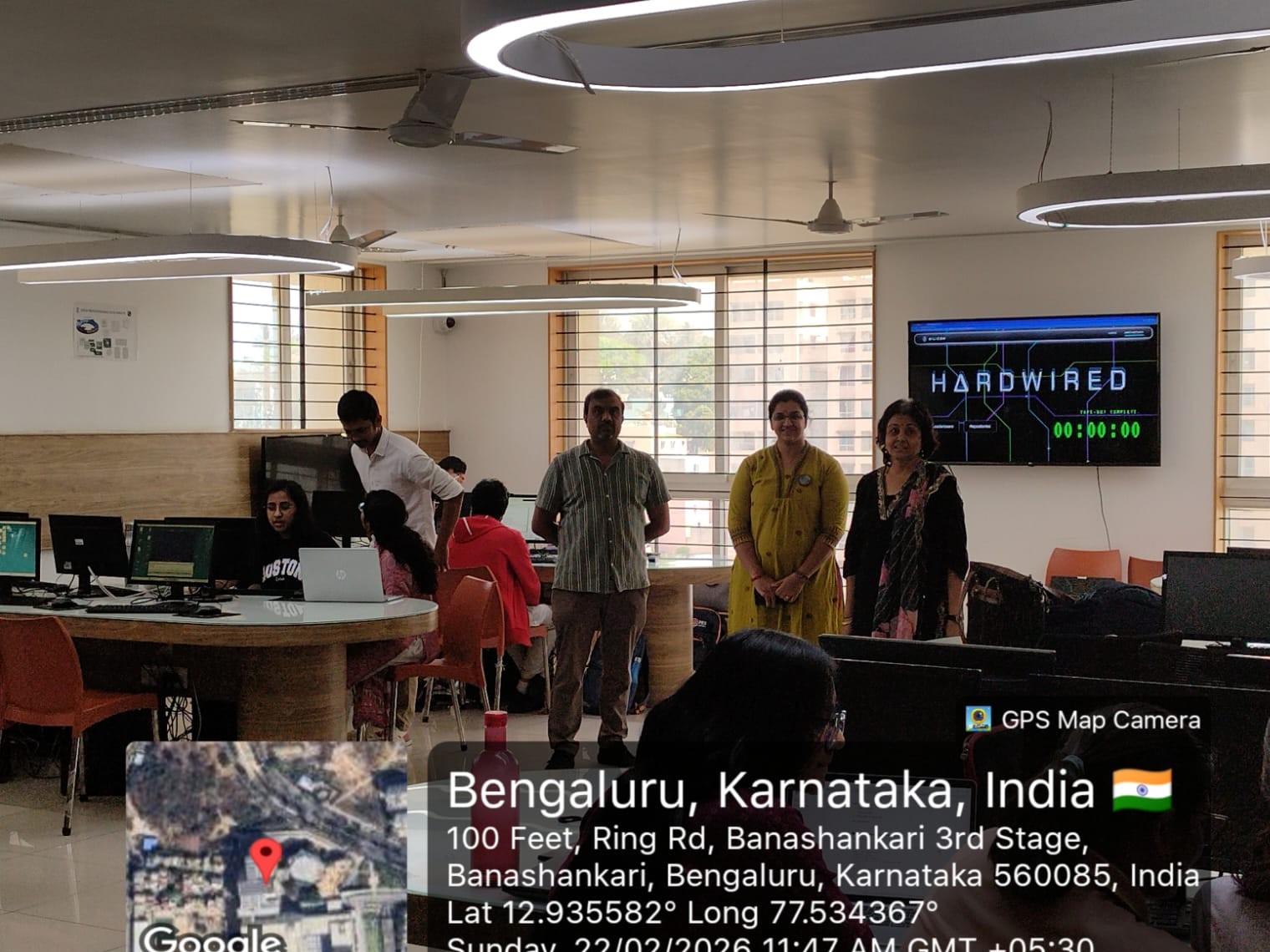
The subsequent rounds, including the quarterfinals, semifinals, and finals, followed a knockout format where teams competed head-to-head. Participants demonstrated their technical expertise, design skills, and ability to work under pressure while solving increasingly challenging VLSI-related problems.
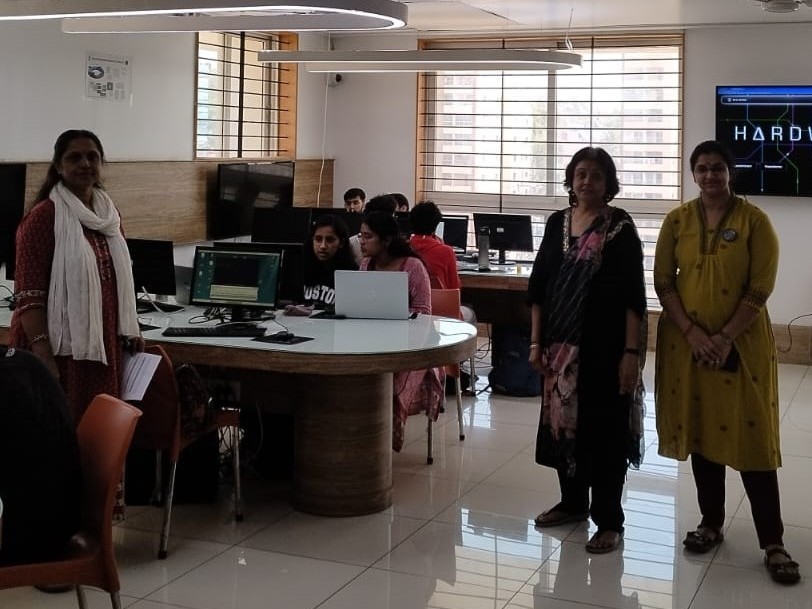
Faculty members from the NICE domain evaluated the competing teams and assessed their solutions throughout the competition.
Showcasing Talent and Innovation
The competition witnessed outstanding performances from participants, reflecting the growing interest in semiconductor technologies among undergraduate students. At the conclusion of the event, two teams from the sixth-semester ECE programme at the RR Campus emerged as the winners and runners-up, demonstrating exceptional technical capability and problem-solving skills.
The hackathon successfully introduced students to practical aspects of hardware design and implementation while fostering healthy competition and collaborative learning.
Student Leadership at Its Best
One of the defining features of Hardwired 2026 was its student-led execution. The entire event was conceptualized, planned, and organized by the student members of Silicon, showcasing their leadership, initiative, and organizational skills.
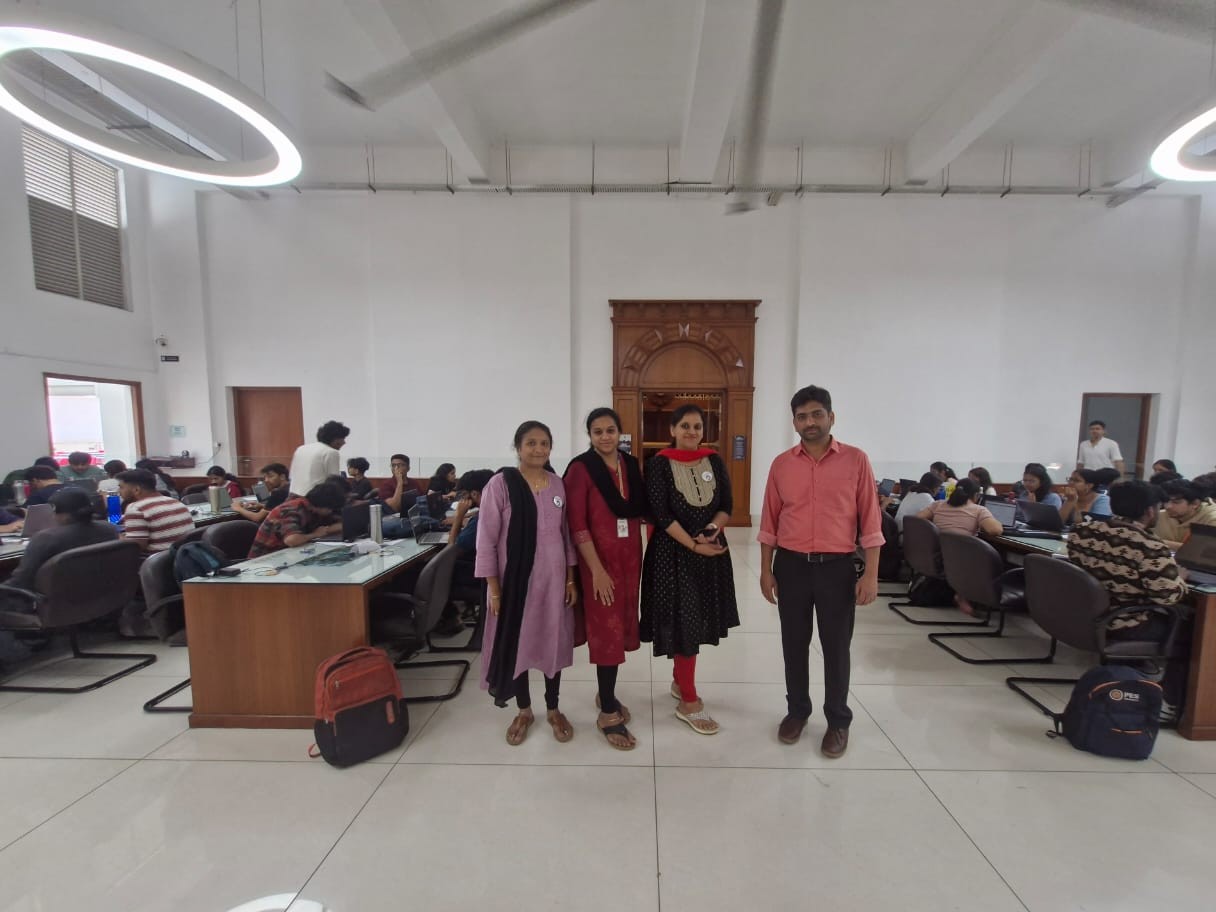
The event was spearheaded by club heads Tanmay Sankolli and Pramiti Raghuvir, with guidance and mentorship from faculty coordinators Dr. Sunita M. S. and Dr. Shashidhara M. The successful conduct of the hackathon also received strong support from the Chairperson and faculty members of the NICE domain.
Their collective efforts ensured a seamless and enriching experience for all participants.
Building Momentum for VLSI Education
As India's semiconductor ecosystem continues to grow, initiatives such as Hardwired create valuable opportunities for students to explore careers in chip design, VLSI engineering, embedded systems, and hardware innovation.
The hackathon generated significant excitement among participants by introducing a competition format focused on real-world hardware challenges, an area that is often underrepresented in traditional hackathon environments dominated by software-based themes.
Inspiring the Next Generation of Semiconductor Engineers
Hardwired 2026 proved that student-driven technical events can play a powerful role in nurturing innovation and developing industry-relevant skills. By providing an immersive learning experience centered on VLSI technologies, the event encouraged participants to think critically, collaborate effectively, and push the boundaries of their technical abilities.
The success of this inaugural edition sets a strong foundation for future editions of Hardwired and reinforces PES University's commitment to fostering excellence in semiconductor education, research, and innovation.
As the semiconductor industry continues to drive technological advancement across the world, events like Hardwired ensure that students are well prepared to become the engineers and innovators of tomorrow.
Keep Reading
More from PESU RR Campus
PES University Professor Honoured with Karnataka Nataka Academy Award
Industrial Visit to Rameshwaram Café: Bridging Classroom Learning with Industry Experience
7th Young Visionary Housekeepers National Convention and 9th PHA Yuva Anniversary: Celebrating Innovation in Hospitality