

Interactive Session on Food Safety: Strengthening Industry Standards and Consumer Trust
The Interactive Session on Food Safety highlighted the importance of hygiene, regulatory compliance, and industry best practices in the hospitality sector. Industry experts shared valuable insights on strengthening food safety systems and enhancing operational standards. The event emphasized transparency, accountability, and consumer trust as key drivers of sustainable growth in the food industry.

Food safety plays a vital role in protecting public health and maintaining confidence in the hospitality and food service industry. To address evolving challenges and opportunities in this field, an Interactive Session on Food Safety was organized on September 23, 2026 at Hotel Chancery Pavilion, bringing together industry experts, policymakers, and hospitality professionals for meaningful discussions on food safety standards and best practices.
The session featured an interactive meeting with Shri U. T. Khader, Hon'ble Minister for Health and Family Welfare, along with a special address by V. Pasupathy, National Advisor, FHRAI. Their insights highlighted the importance of strengthening food safety systems and creating greater awareness about hygiene, compliance, and consumer protection.
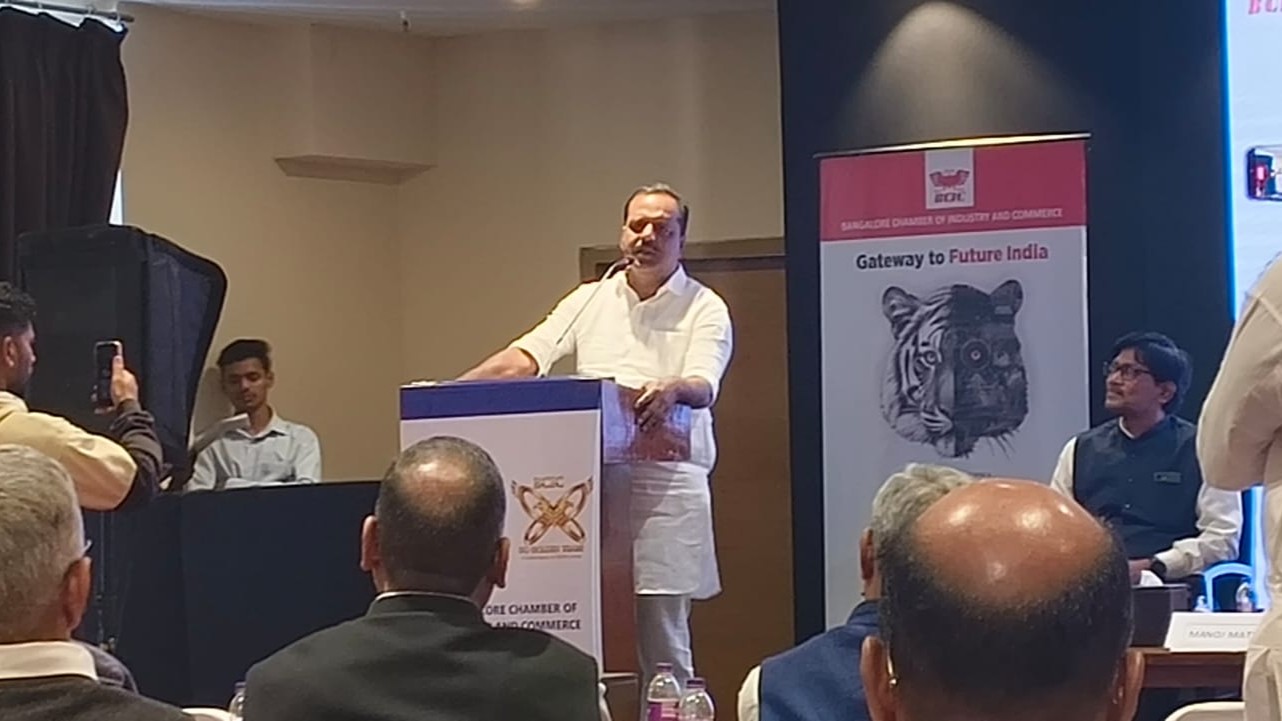
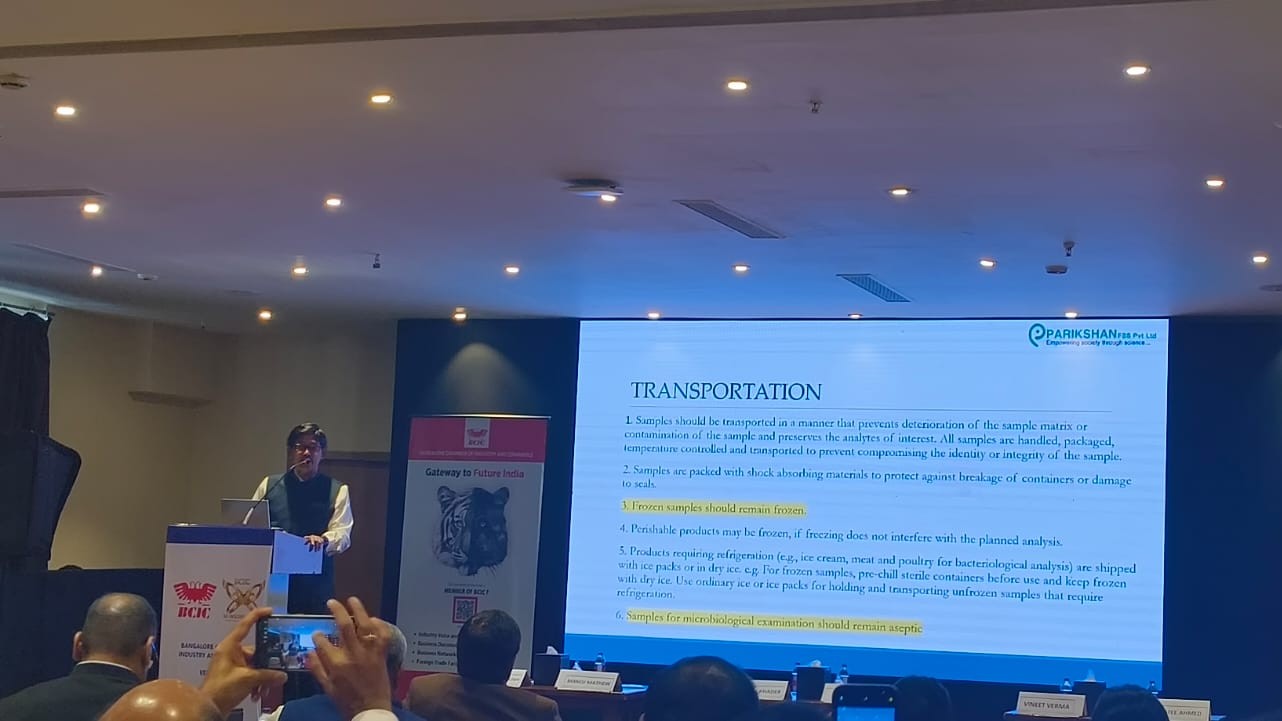
One of the key themes discussed was Food Safety and Hygiene. Experts emphasized the need for maintaining high standards of cleanliness and adopting preventive measures throughout food handling, preparation, storage, and service. Effective hygiene practices are essential not only for ensuring consumer well-being but also for enhancing the reputation of food establishments.
The session also focused on Compliance and Enforcement Updates, providing participants with valuable information about current regulations and legal requirements governing food safety. Attendees gained a better understanding of compliance measures, regulatory inspections, and the importance of keeping operations aligned with evolving industry standards.
Food safety is not just a regulatory requirement; it is a commitment to quality, consumer trust, and public well-being.
Another important area of discussion was Industry Best Practices. Speakers encouraged organizations to go beyond minimum compliance requirements by implementing advanced safety systems, ensuring ingredient traceability, and promoting continuous staff training. Such proactive measures contribute to consistent quality assurance and operational excellence.
The topic of Building Consumer Confidence received significant attention during the event. Transparency in food production, accurate ingredient labeling, and maintaining high-quality standards were highlighted as critical factors in earning and retaining customer trust. As consumers become increasingly aware of food safety issues, businesses that prioritize transparency and accountability are better positioned for long-term success.
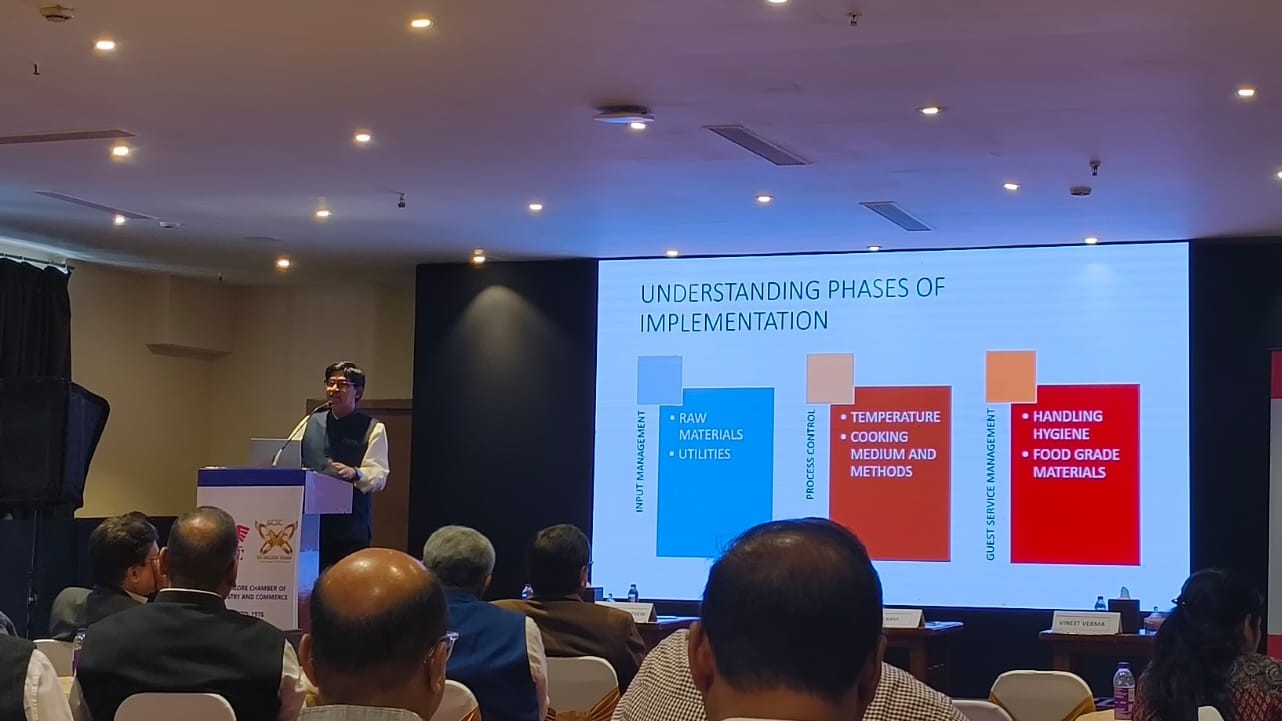
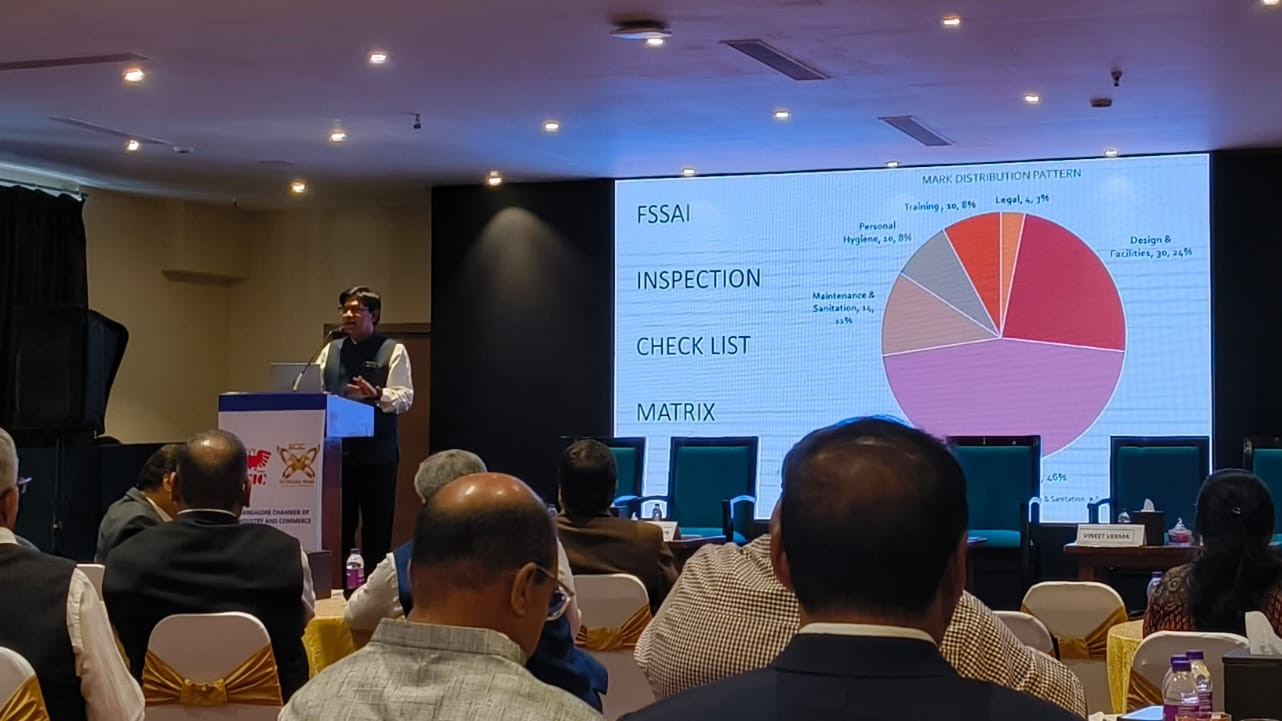
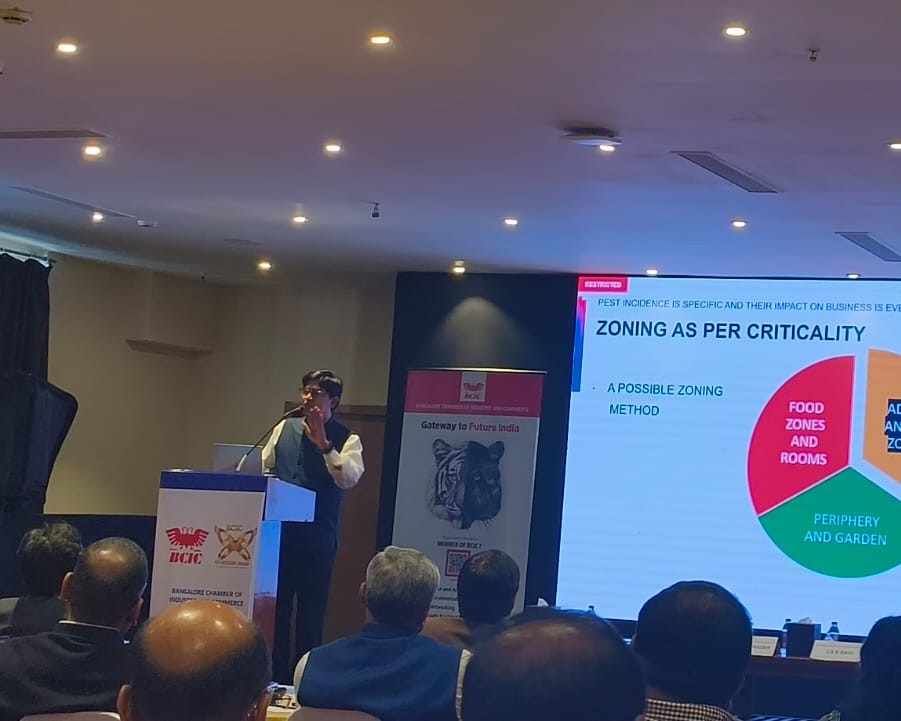
Overall, the session provided valuable insights into current food safety challenges and opportunities. By bringing together industry leaders and policymakers, the event reinforced the collective responsibility of maintaining safe food practices and fostering a culture of excellence throughout the hospitality sector.
Keep Reading
More from PESU RR Campus
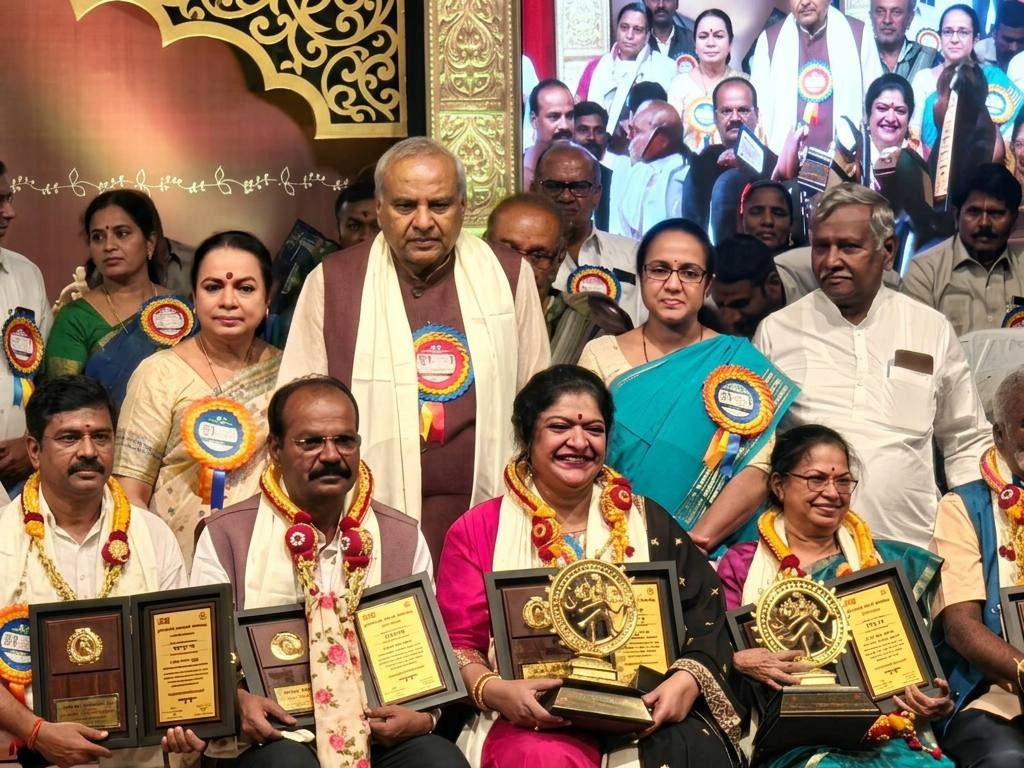
PES University Professor Honoured with Karnataka Nataka Academy Award
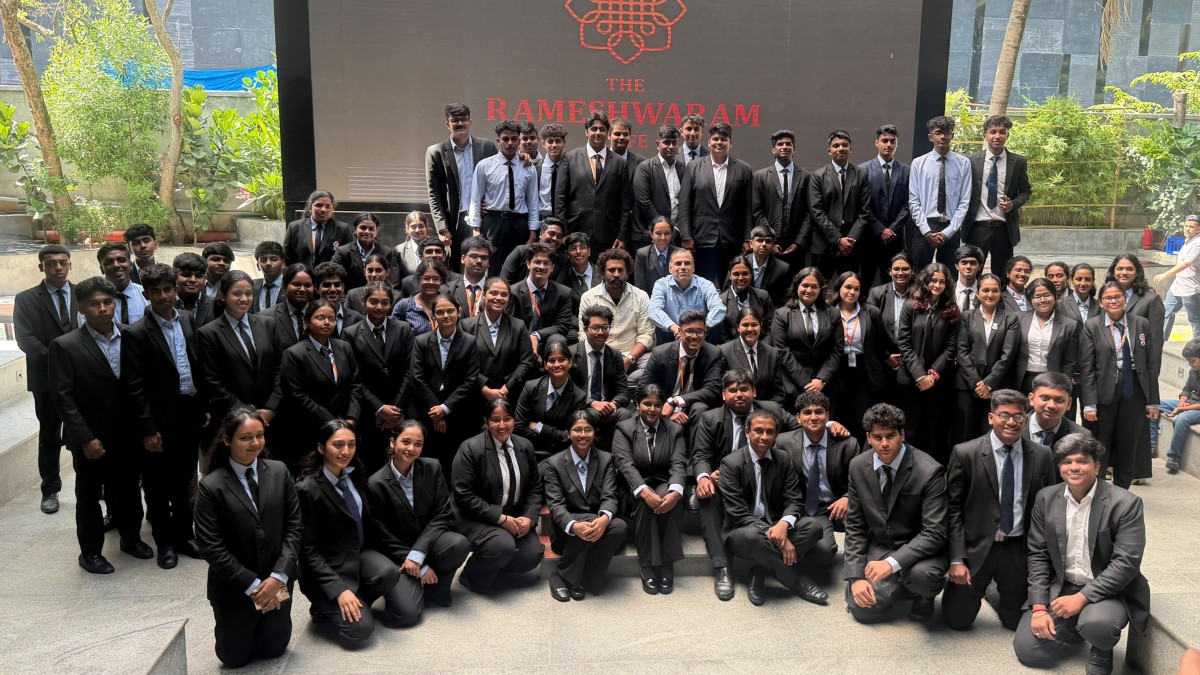
Industrial Visit to Rameshwaram Café: Bridging Classroom Learning with Industry Experience
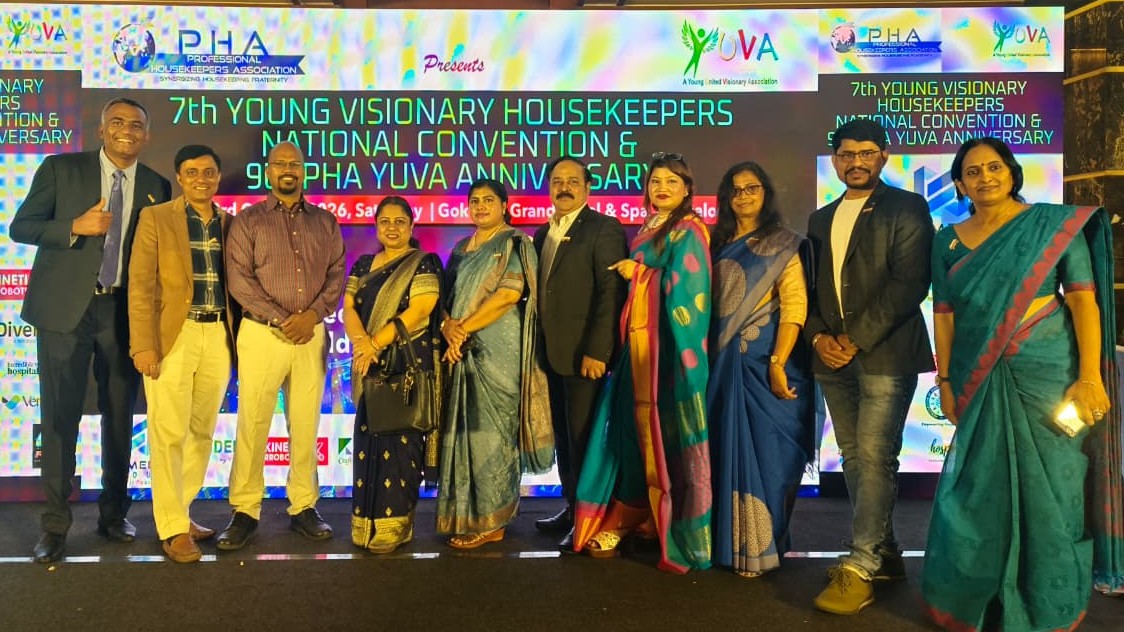
7th Young Visionary Housekeepers National Convention and 9th PHA Yuva Anniversary: Celebrating Innovation in Hospitality