
Learning Across the Edge: Exploring Federated Learning with Neural Hive
The workshop successfully combined theory and practice, inspiring students to explore emerging research areas in secure and collaborative AI.
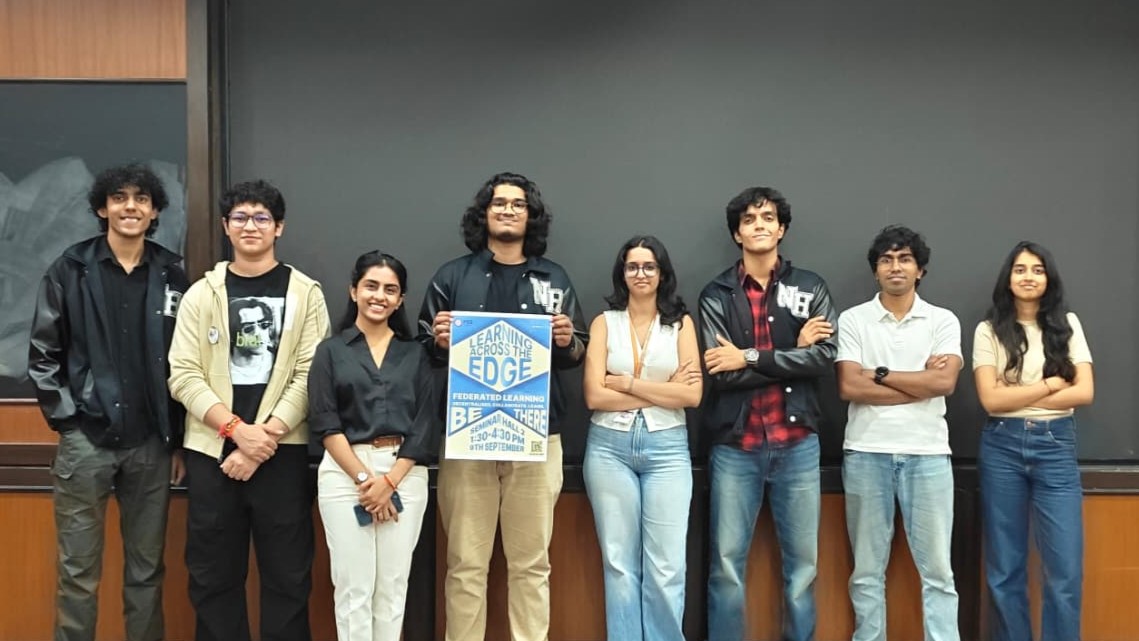
Artificial Intelligence is transforming the way we interact with technology, but as AI systems become more powerful, concerns surrounding data privacy continue to grow. How can models learn from vast amounts of data without compromising user privacy? To answer this question, Neural Hive, the AI & ML Club of PES University, organized an engaging hands-on workshop titled “Learning Across the Edge: Federated Learning.” The event introduced participants to one of the most exciting paradigms in modern machine learning: Federated Learning.
Understanding the Need for Federated Learning
Traditional machine learning relies on collecting and centralizing data before training a model. While effective, this approach often raises privacy concerns, especially when dealing with sensitive information such as personal messages, healthcare records, or financial data.
The workshop began by exploring the motivation behind Federated Learning, a decentralized approach that enables multiple devices or clients to collaboratively train a model without sharing their raw data. Participants examined real-world applications, including mobile keyboard prediction systems and healthcare analytics, where privacy requirements make centralized learning impractical.
To ensure everyone was on the same page, the session included a concise refresher on key machine learning concepts such as model training, loss functions, and gradient descent. This foundation helped attendees of varying experience levels engage confidently with the more advanced concepts that followed.
Demystifying FedAvg
A major highlight of the first session was an in-depth discussion of the Federated Averaging (FedAvg) algorithm, the cornerstone of many federated learning systems. Participants learned how individual clients perform local training on their respective datasets and subsequently contribute model updates rather than raw data.
The workshop also addressed the challenges posed by IID (Independent and Identically Distributed) and non-IID datasets. Through practical examples, attendees gained insight into client drift and data skew, common real-world obstacles that make federated learning both challenging and fascinating.
From Theory to Practice with Flower
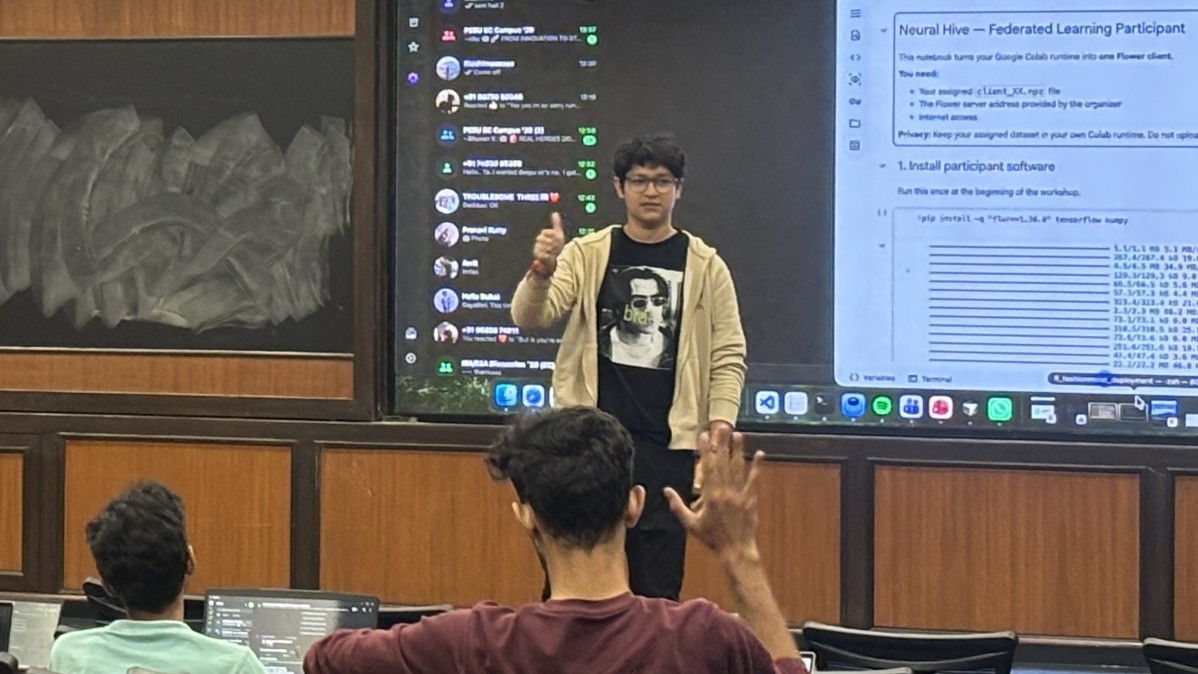
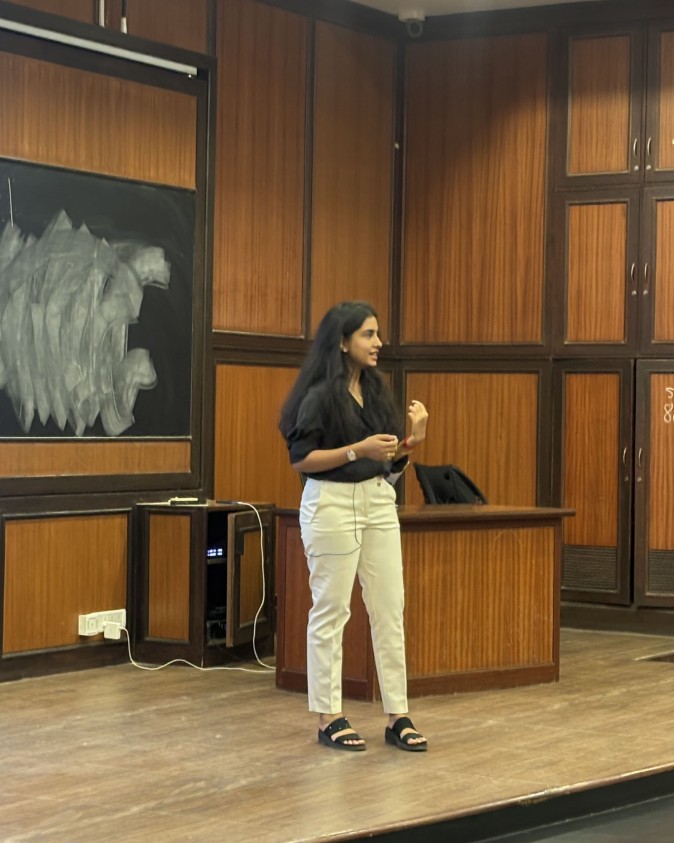
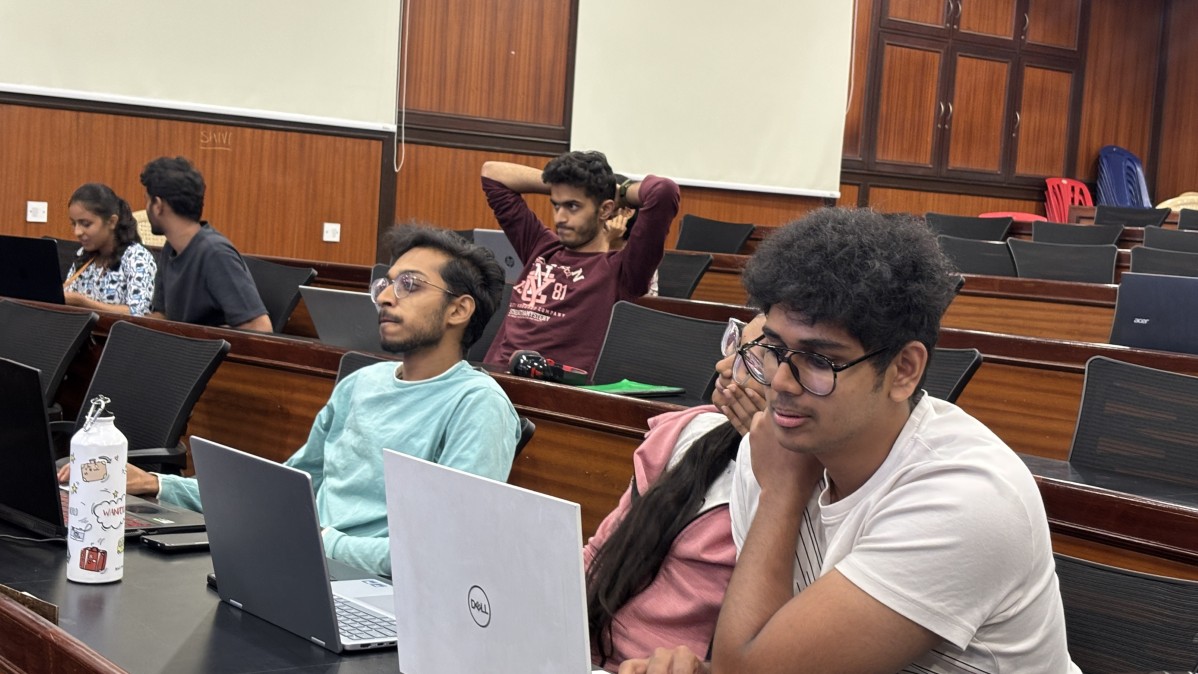
The second session brought concepts to life through a hands-on implementation using the Flower federated learning framework. Participants were assigned non-IID partitions of the CIFAR-10 dataset and trained local models using a pre-configured Google Colab notebook, allowing them to focus entirely on learning rather than software setup.
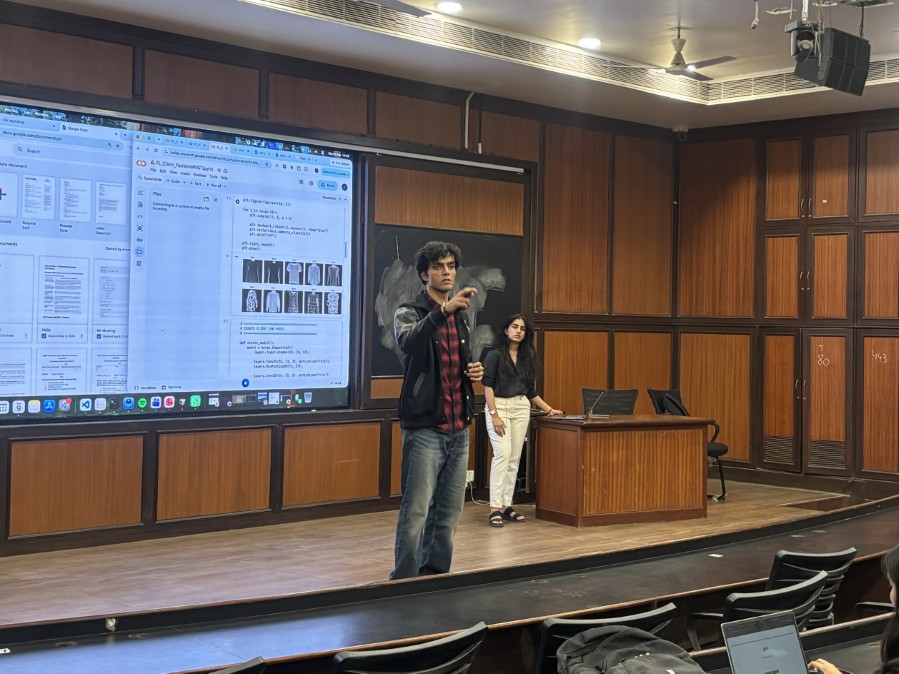
As training progressed, organizers conducted a live walkthrough of the codebase, explaining data loading procedures, model architecture, and the client-server communication workflow. This provided participants with a practical understanding of how federated systems operate behind the scenes.
One of the most exciting moments of the workshop came when participants submitted their locally trained model weights. These weights were aggregated using a weighted FedAvg implementation, demonstrating how multiple distributed models could contribute to a stronger global model. The resulting federated model was then compared with a centralized baseline, enabling participants to witness the effectiveness of collaborative learning in real time.
To further reinforce the core idea of federated learning, a second round of aggregation was conducted with volunteer participants. The demonstration showed how model performance improves over successive communication rounds, illustrating the power of learning together while maintaining data privacy.
Beyond the Demo: Real-World Challenges
The workshop did not stop at showcasing success stories. Participants also engaged in discussions on some of the open challenges in federated learning, including privacy leakage risks, communication overhead, and system heterogeneity across devices. By addressing these limitations, the event provided a balanced perspective on both the opportunities and ongoing research directions in the field.
This critical discussion helped attendees understand that federated learning is not merely an academic concept but an active area of research with significant real-world implications.
A Successful Learning Experience
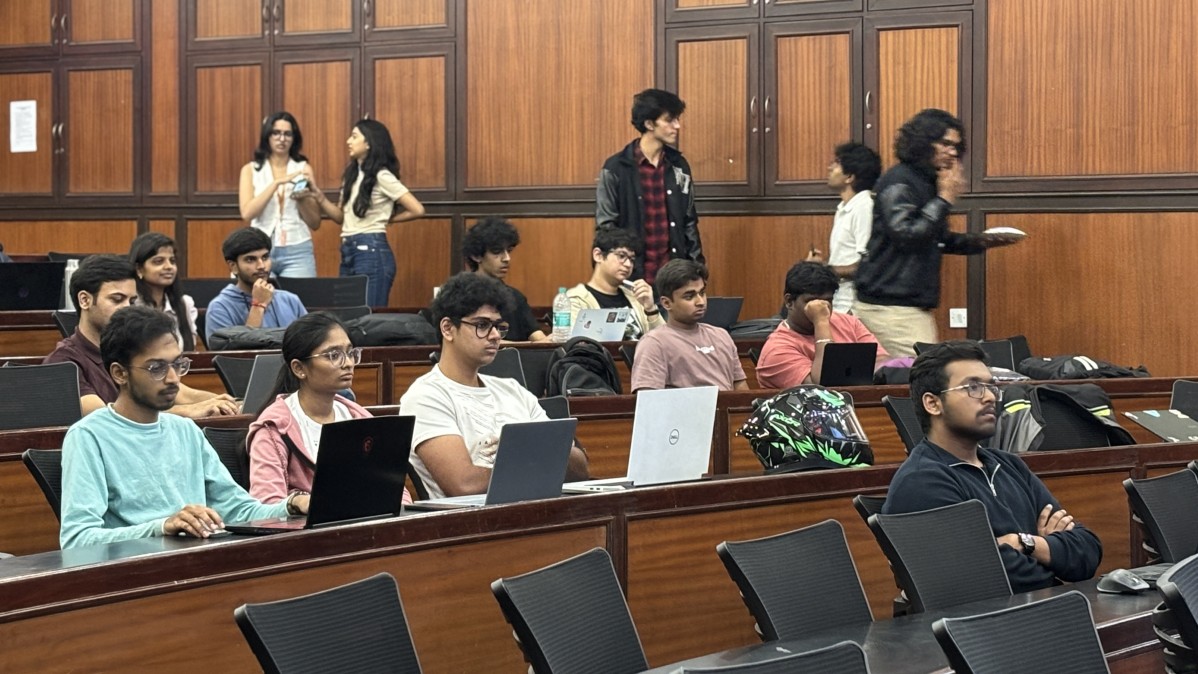
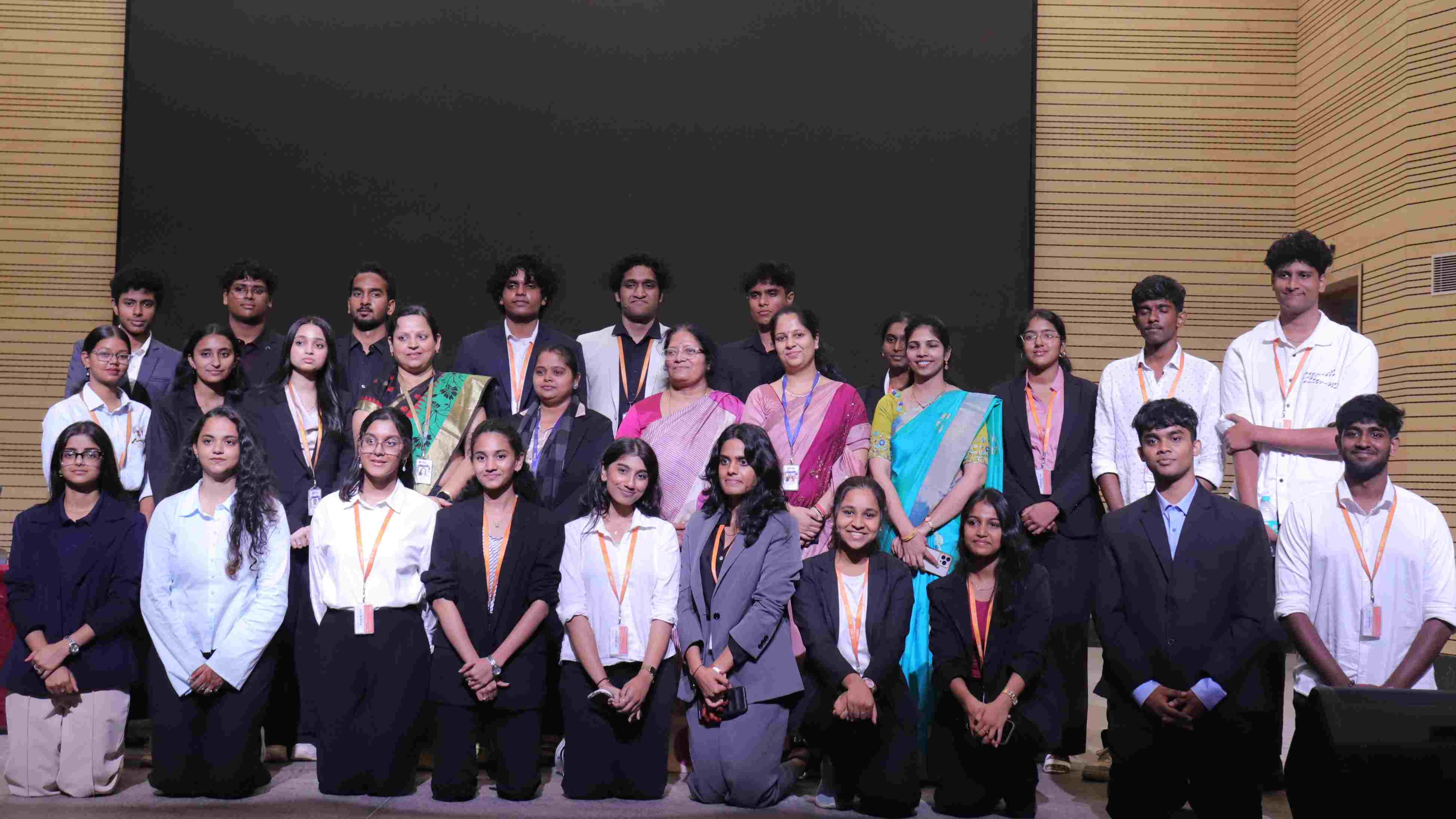
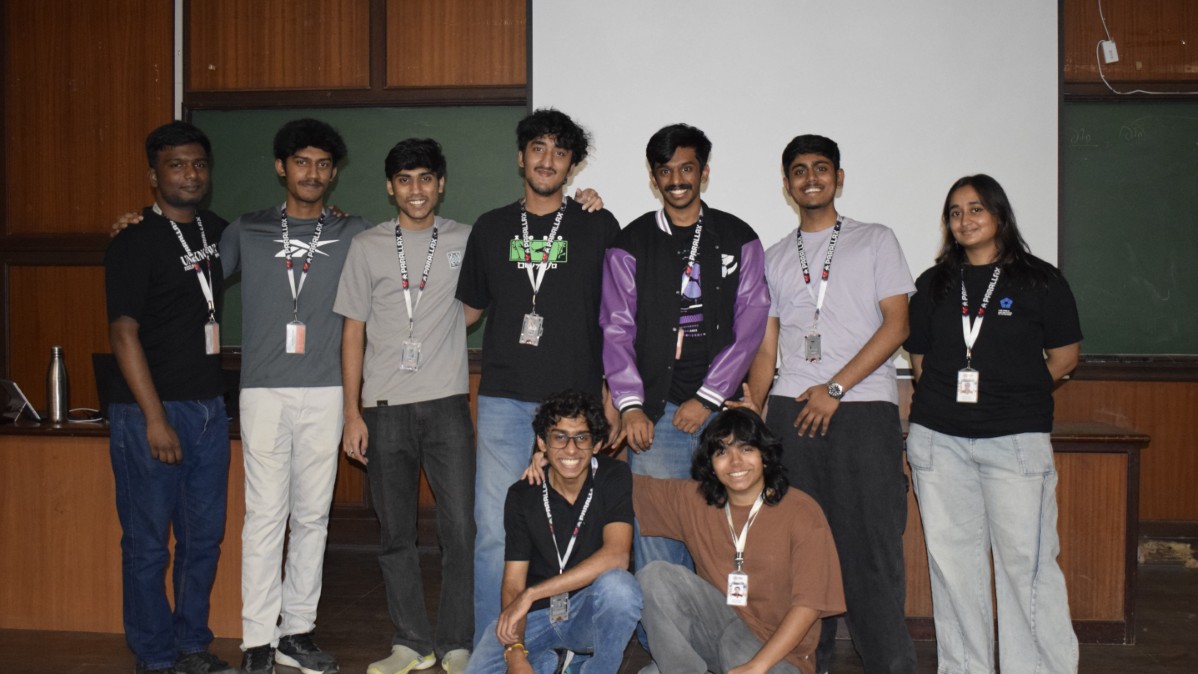
The event witnessed enthusiastic participation from 18 students, supported by 9 organizing core members, under the guidance of Dr. P Kokila. The strong engagement throughout the workshop reflected the growing interest in privacy-preserving AI technologies among students.
Participants particularly appreciated the workshop's balance between conceptual understanding and practical implementation. By the end of the session, attendees had not only gained familiarity with federated learning principles but had also experienced the collaborative nature of decentralized AI training firsthand.
Looking Ahead
As AI continues to evolve, privacy-preserving technologies will play an increasingly important role in shaping the future of machine learning. Workshops such as Learning Across the Edge: Federated Learning serve as valuable platforms for introducing students to emerging technologies and fostering a culture of innovation and research.
Through its successful execution of this workshop, Neural Hive once again demonstrated its commitment to empowering students with industry-relevant knowledge and hands-on experience. The event left participants inspired, informed, and eager to explore the next frontier of artificial intelligence.
Keep Reading
More from PESU EC Campus
Operate X’26: Redefining the Future of Operations Through Intelligence, Resilience, and Innovation
Building the Future with Augmented Reality: A Glimpse into Parallax's AR Workshop

PES University launches first year B.Tech, B.Pharm and Pharm D. programs: Reverberating the guiding principles from the founder chancellor, Dr. M. R. Doreswamy