
Enhancing Hospitality Education Through Technology: Faculty Development Programme on AI and its Intervention
In today's rapidly evolving hospitality industry, technology and artificial intelligence are transforming the way hotels, restaurants, and leisure businesses operate. To equip faculty members with industry-relevant technological expertise, the Department of BBA Hospitality & Event Management...
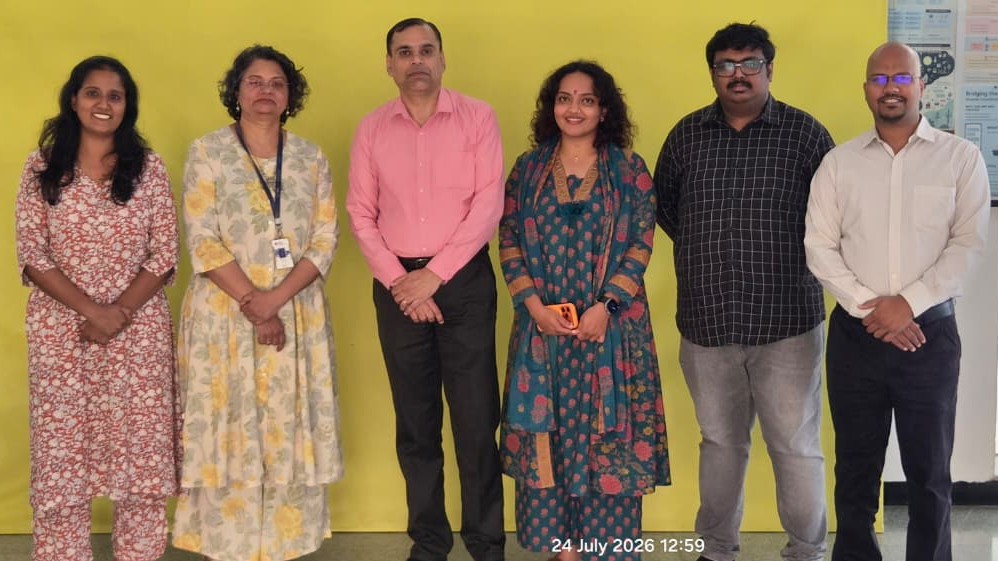
In today's rapidly evolving hospitality industry, technology and artificial intelligence are transforming the way hotels, restaurants, and leisure businesses operate. To equip faculty members with industry-relevant technological expertise, the Department of BBA Hospitality & Event Management at PES University organized a five-day Faculty Development Programme titled “AI and its Intervention” from July 20 to 24, 2026.
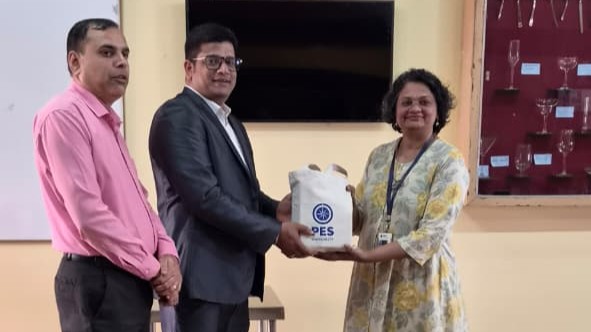
The programme was conducted in collaboration with IDS Next, a leading provider of hospitality technology solutions known for its cloud-native SaaS platforms and hospitality ERP systems used by hotels, resorts, restaurants, banquets, and wellness enterprises worldwide.
Bridging Academia and Industry
Designed as an immersive and hands-on learning experience, the programme introduced faculty members to the latest developments in hospitality technology and the growing role of Artificial Intelligence in hotel operations.
The workshop focused on helping participants gain practical exposure to industry-standard software platforms and understand how digital technologies are transforming both front-end and back-end hospitality operations. By aligning faculty expertise with current industry practices, the initiative aimed to strengthen the quality and relevance of hospitality education.
Exploring Technology Across Hospitality Operations
The five-day programme covered a comprehensive range of hospitality management technologies.
On the first day, participants received an overview of AI and technological applications in hospitality, with special emphasis on front-office operations and the integration of digital solutions in guest services.
Subsequent sessions explored key modules of the IDS ecosystem, including Point of Sale (POS) systems, Sales and Catering functions, Food & Beverage Costing, and operational workflows that support efficient hospitality management.
Hands-On Learning with Cloud-Based Hospitality Solutions
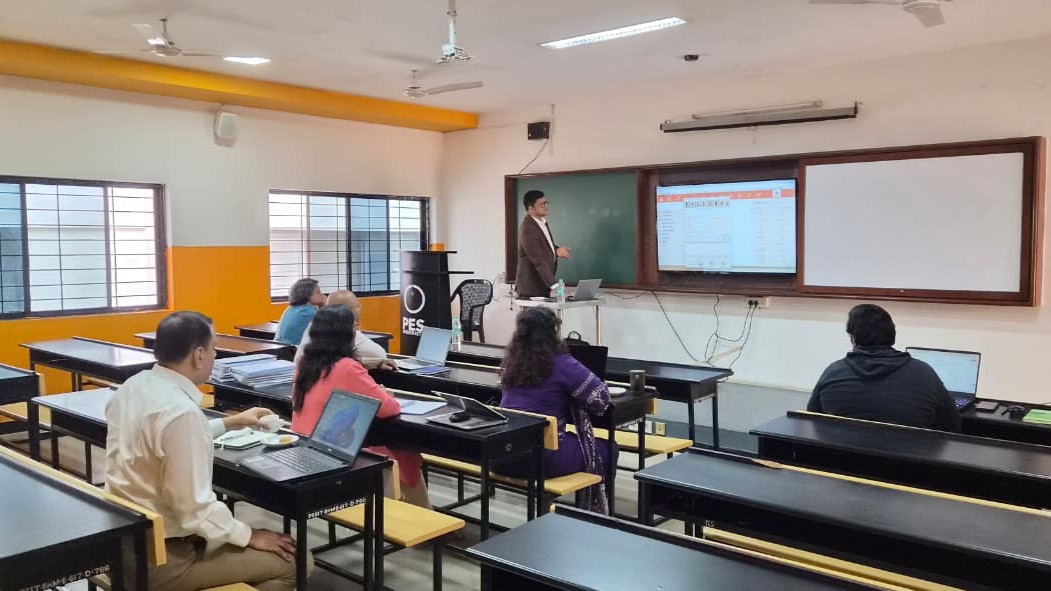
A major highlight of the programme was the practical exposure to IDS Next FX, a cloud-native hospitality platform. Faculty members participated in hands-on workshops that demonstrated real-world applications of hotel technology systems.
Interactive sessions enabled participants to work directly with POS applications, menu management tools, reservation systems, guest registration processes, billing operations, settlement procedures, checkout workflows, and night audit functions. These practical exercises provided valuable insights into the day-to-day technological requirements of modern hospitality establishments.
Understanding Integrated Hotel Management Systems
The programme also focused on material management, inventory control, reporting systems, and Food & Beverage costing modules. Participants gained an understanding of how integrated technology platforms facilitate seamless collaboration across departments and improve business performance.
Through practical demonstrations and guided exercises, faculty members learned how various operational functions are interconnected within a modern hospitality technology ecosystem.
Strengthening Teaching and Training Capabilities
One of the key outcomes of the programme was the enhancement of faculty proficiency in using hospitality management software. Participants developed the skills required to operate and customize industry-standard platforms for academic and training purposes.
The knowledge gained will support the effective use of hospitality technology applications within instructional environments, including campus hospitality laboratories and training facilities. It will also enable faculty members to deliver more practical and industry-oriented learning experiences to students.
Preparing Future Hospitality Professionals
As technology continues to redefine hospitality operations, academic institutions play a crucial role in preparing students for a digitally driven workplace. Initiatives such as the Faculty Development Programme on “AI and its Intervention” ensure that educators remain updated with emerging trends and industry practices.
By combining artificial intelligence, cloud technologies, and hospitality management systems, the programme empowered faculty members with valuable technical knowledge that can be translated into enhanced classroom learning and experiential training opportunities.
Through industry collaborations and continuous faculty upskilling, PES University remains committed to bridging the gap between academic learning and professional practice, fostering a future-ready hospitality education ecosystem that meets the evolving demands of the global hospitality industry.
Keep Reading
More from PESU RR Campus
PES University Professor Honoured with Karnataka Nataka Academy Award
Industrial Visit to Rameshwaram Café: Bridging Classroom Learning with Industry Experience
7th Young Visionary Housekeepers National Convention and 9th PHA Yuva Anniversary: Celebrating Innovation in Hospitality