

Building Intuition in Analog Design: PES University Hosts Five-Day Workshop on Analog and Mixed Signal Design
As the semiconductor industry continues to drive technological innovation across the globe, a strong foundation in analog and mixed-signal design remains essential for aspiring electronics engineers. To equip students with both theoretical understanding and practical insights, the Department of Elec...
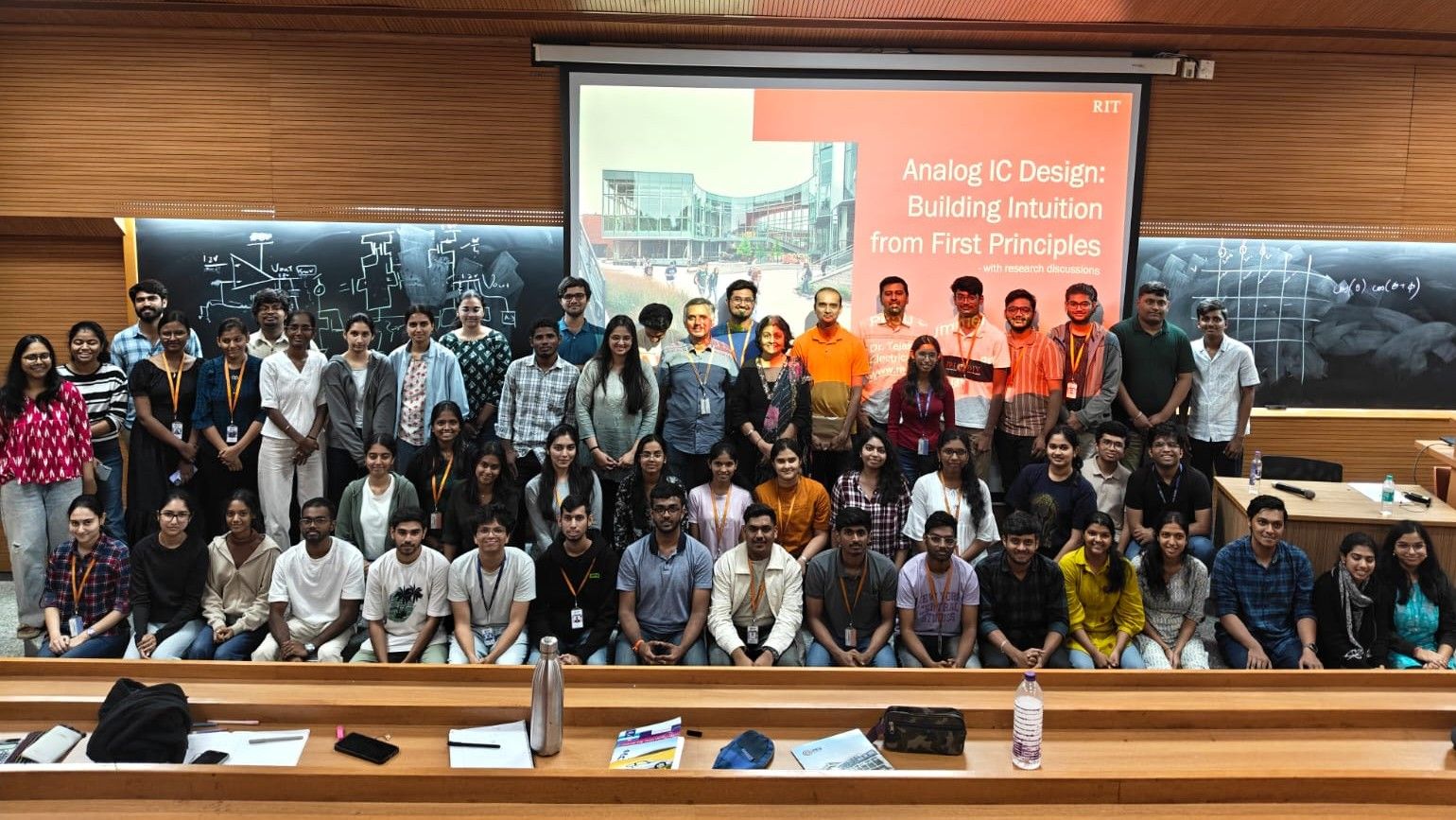
As the semiconductor industry continues to drive technological innovation across the globe, a strong foundation in analog and mixed-signal design remains essential for aspiring electronics engineers. To equip students with both theoretical understanding and practical insights, the Department of Electronics and Communication Engineering, PES University RR Campus, organized a five-day workshop on “Analog and Mixed Signal Design: Building Intuition from First Principles” from July 6 to 10, 2026.
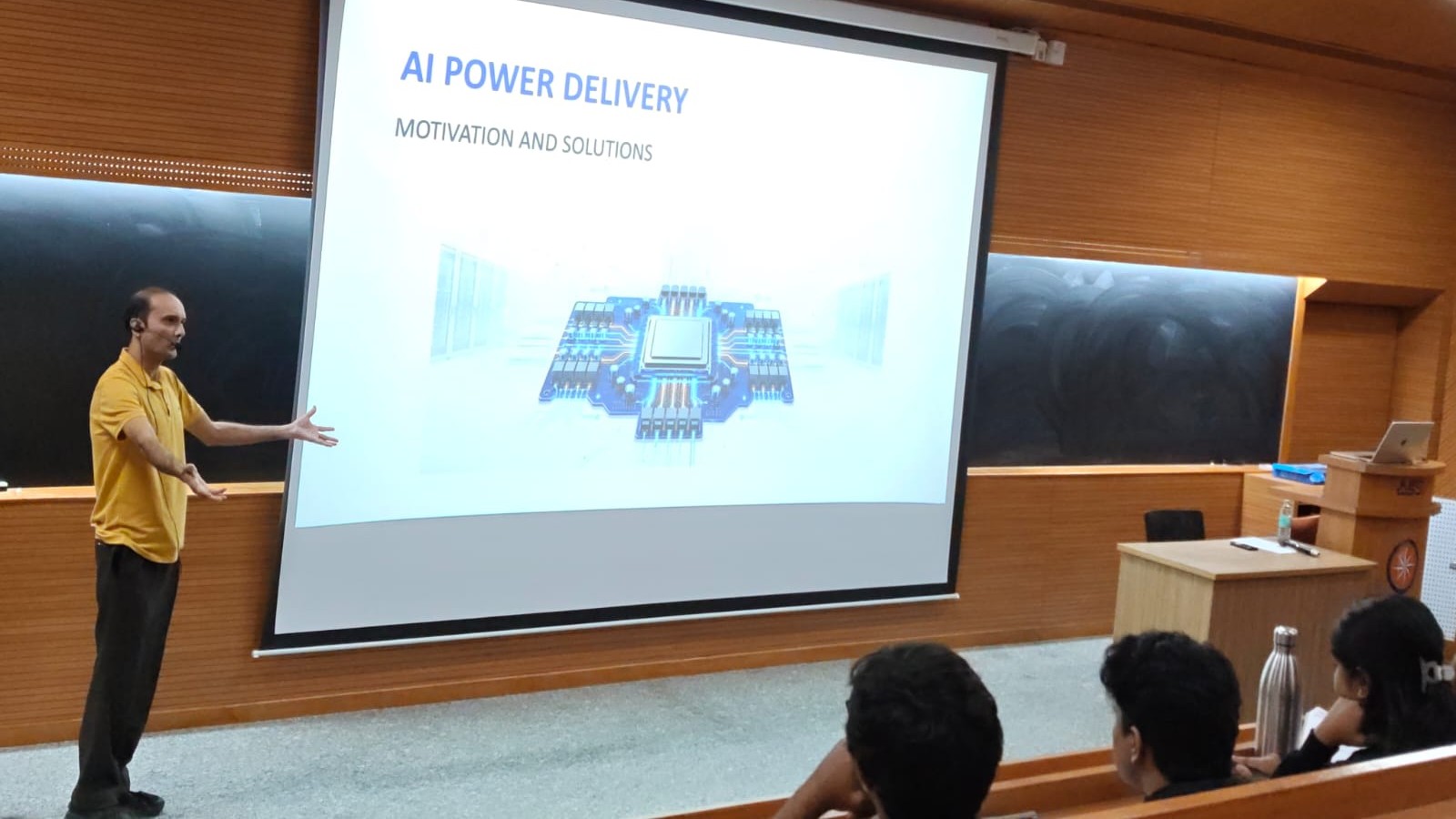
The workshop was conducted by Dr. Tejasvi Das, Director of RAMLab at the Rochester Institute of Technology (RIT), USA, and a distinguished alumnus of PES University. The programme brought together students from both RR and EC campuses for an immersive learning experience focused on the fundamentals and applications of analog integrated circuit design.
Understanding the Importance of Analog Design
The workshop commenced with an introduction and welcome address, followed by an engaging opening session centered on the question, “Why Analog?”
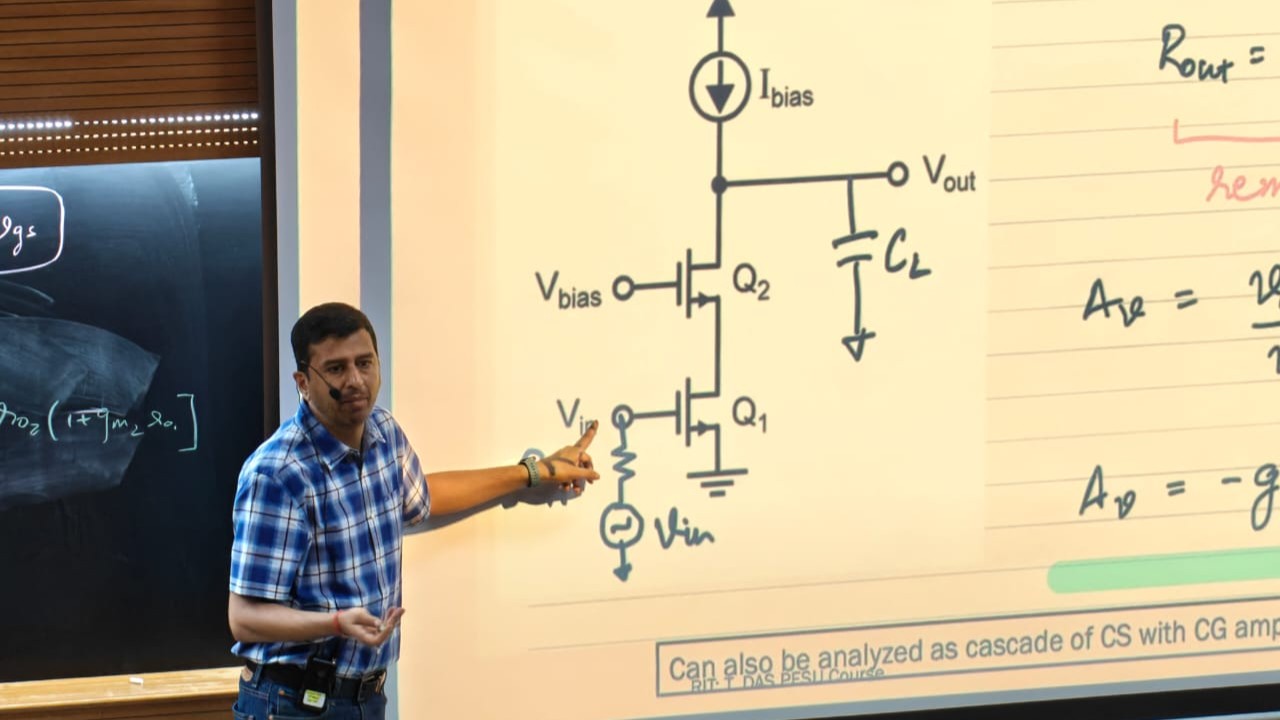
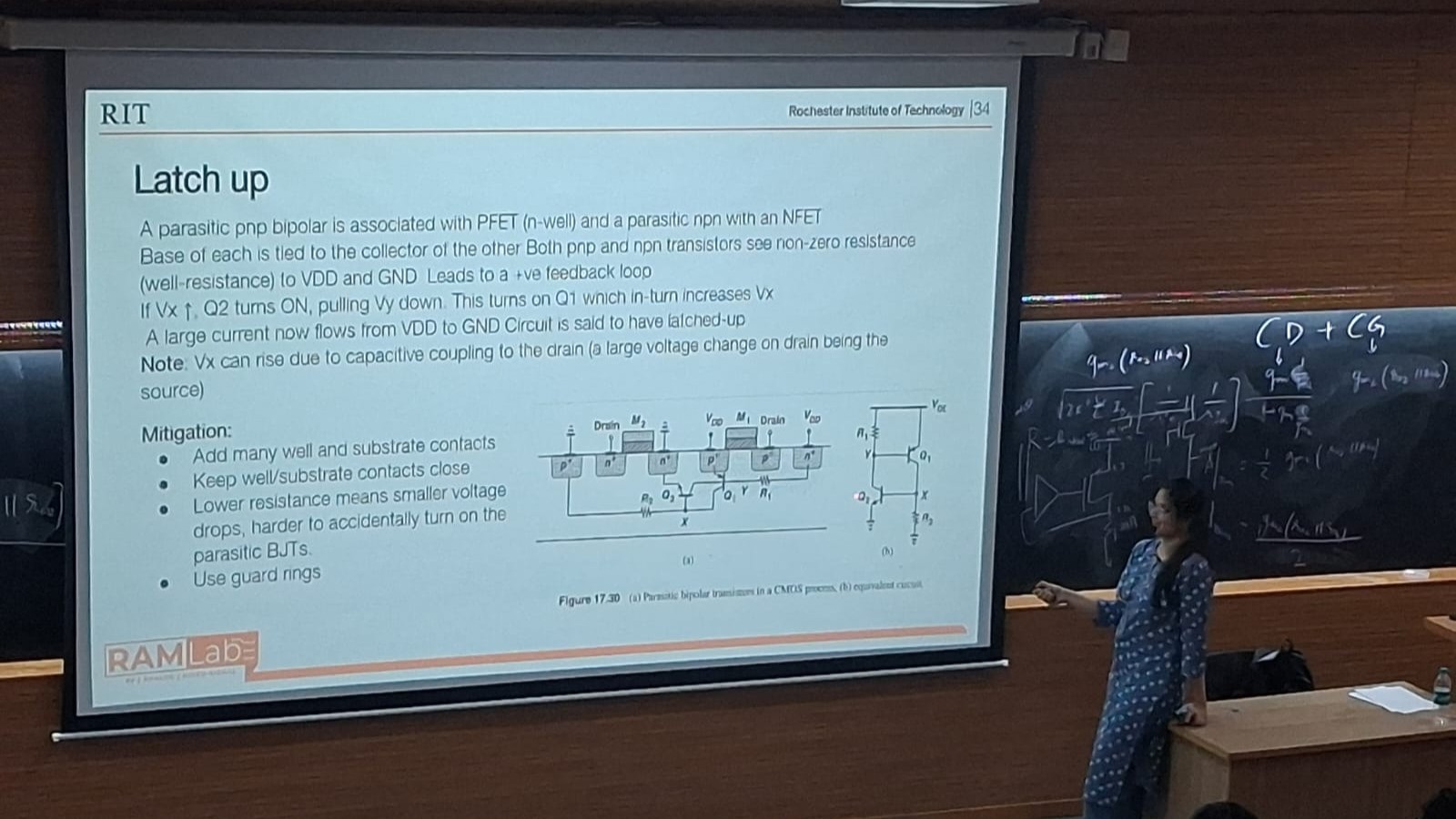
Dr. Das highlighted the indispensable role of analog electronics in modern technology and everyday life. Students were introduced to core topics such as analog signal processing, amplifiers, feedback systems, differential pairs, and the development of engineering intuition before simulation.
A key emphasis throughout the workshop was encouraging participants to predict circuit behaviour analytically before relying on simulation tools, helping them strengthen their conceptual understanding and problem-solving skills.
Exploring Operational Amplifiers and IC Design
The second day focused on Operational Transconductance Amplifiers (OTAs) and their applications in analog integrated circuit design.
Participants gained insight into the design and functioning of analog circuits, while sessions on IC manufacturing, analog layout techniques, device matching, and layout considerations provided a deeper understanding of how circuit schematics are transformed into physical integrated circuits. The discussions helped bridge the gap between theoretical circuit design and practical semiconductor fabrication.
Industry-Relevant Topics and Emerging Applications
The workshop extended beyond traditional analog design concepts by introducing students to emerging areas of research and innovation.
A session on hardware security explored the growing need to protect electronic systems from evolving threats. Students also learned about advanced OTA architectures, including Class A, Class B, and Class AB amplifiers, which are widely used in modern electronic systems.
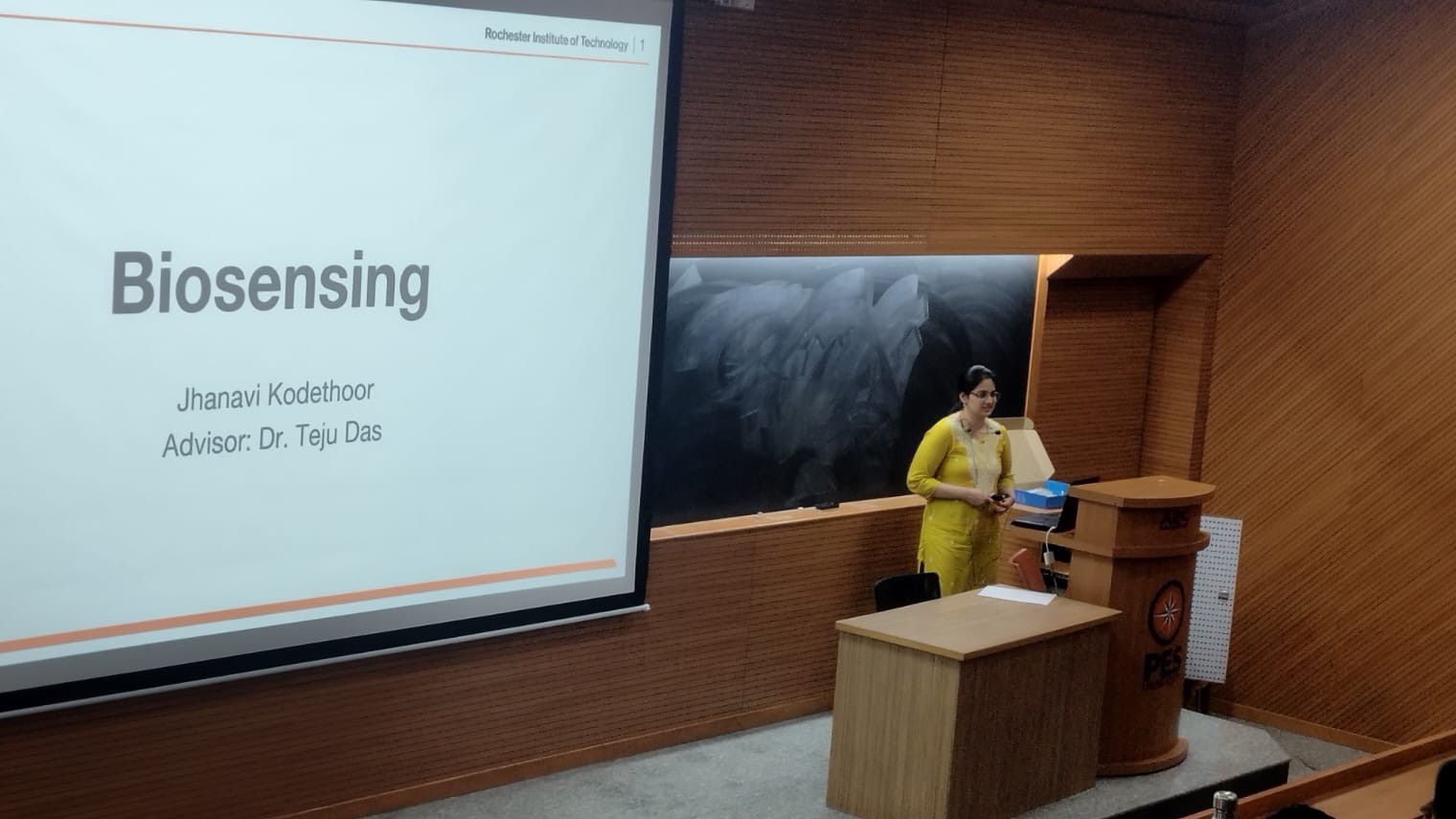
Another engaging session focused on biosensing technologies, highlighting the operation of PPG sensors, EEG systems, and analog front-end circuits used in wearable healthcare and biomedical devices. These discussions demonstrated the diverse applications of analog electronics in real-world innovations.
Neuromorphic Computing and Analog AI
One of the workshop's most exciting segments examined next-generation computing paradigms.
Participants were introduced to concepts such as Neuromorphic Computing, Compute-in-Memory architectures, ECRAM devices, and Analog AI hardware, which are expected to play a crucial role in future energy-efficient computing systems.
These sessions provided students with exposure to cutting-edge research areas where analog and mixed-signal design continues to drive advancements in artificial intelligence and high-performance computing.
Understanding Noise and Power Systems
A dedicated session on circuit noise covered topics such as thermal noise and flicker (1/f) noise, helping students understand their impact on analog circuit performance and reliability.
The final day featured discussions on power converters, including Buck and Boost converter architectures. The concepts were presented through an intuitive and practical approach, enabling participants to appreciate the role of efficient power management in electronic systems.
Students also benefited from a special session on the gm/Id design methodology, an important design technique extensively used in modern analog IC development.
Insights into Careers and Research Opportunities
Beyond technical concepts, the workshop offered valuable guidance on professional development and future opportunities in the semiconductor industry.
Dr. Das provided insights into
- Complete Analog IC design flow
- Industry expectations from analog engineers
- Emerging research opportunities in academia
- Higher education pathways
- Career prospects in Analog and Mixed Signal Design
These discussions helped participants gain a broader perspective on the skills and knowledge required to succeed in the semiconductor and integrated circuit industries.
A Collaborative Learning Experience
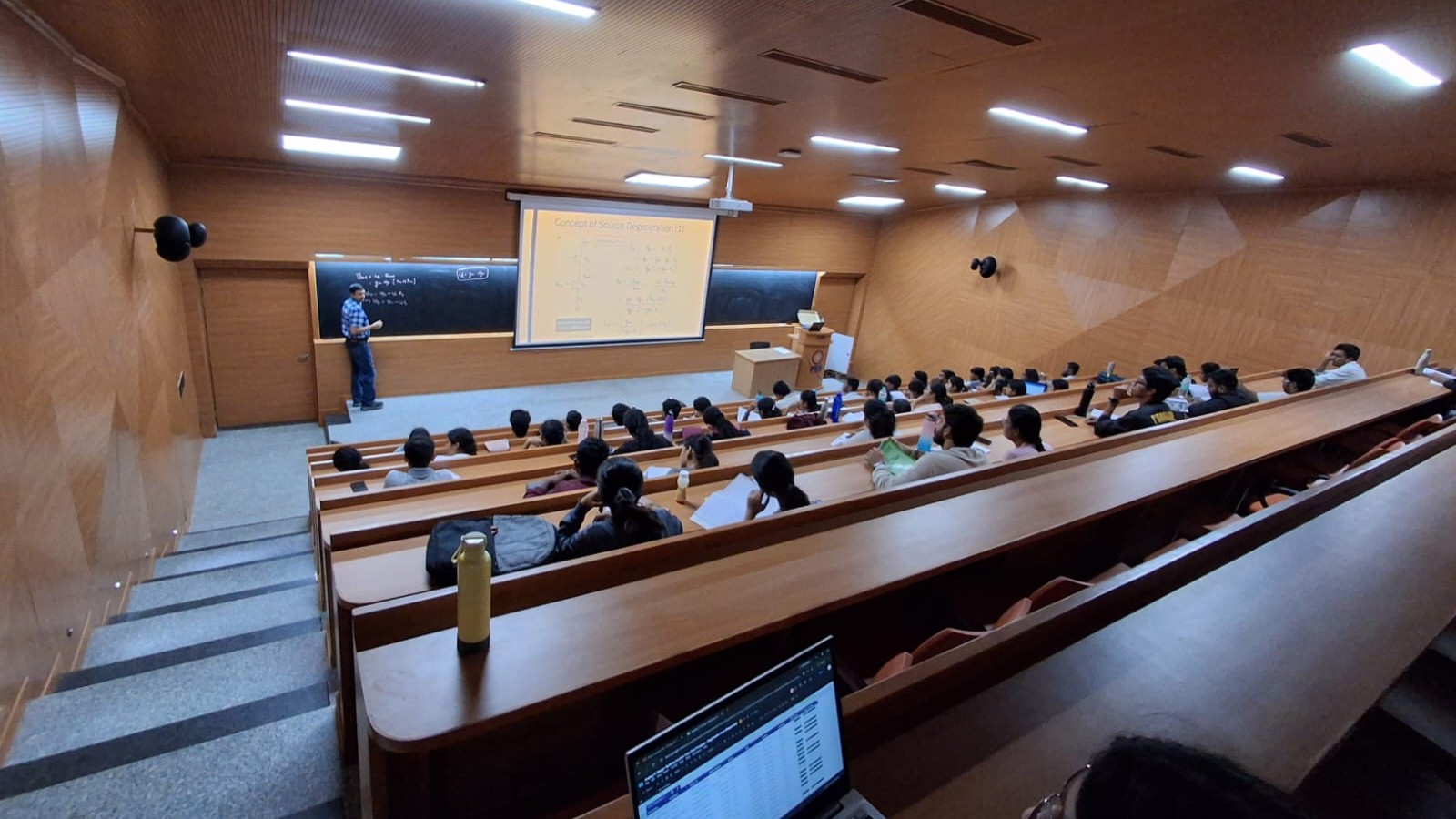
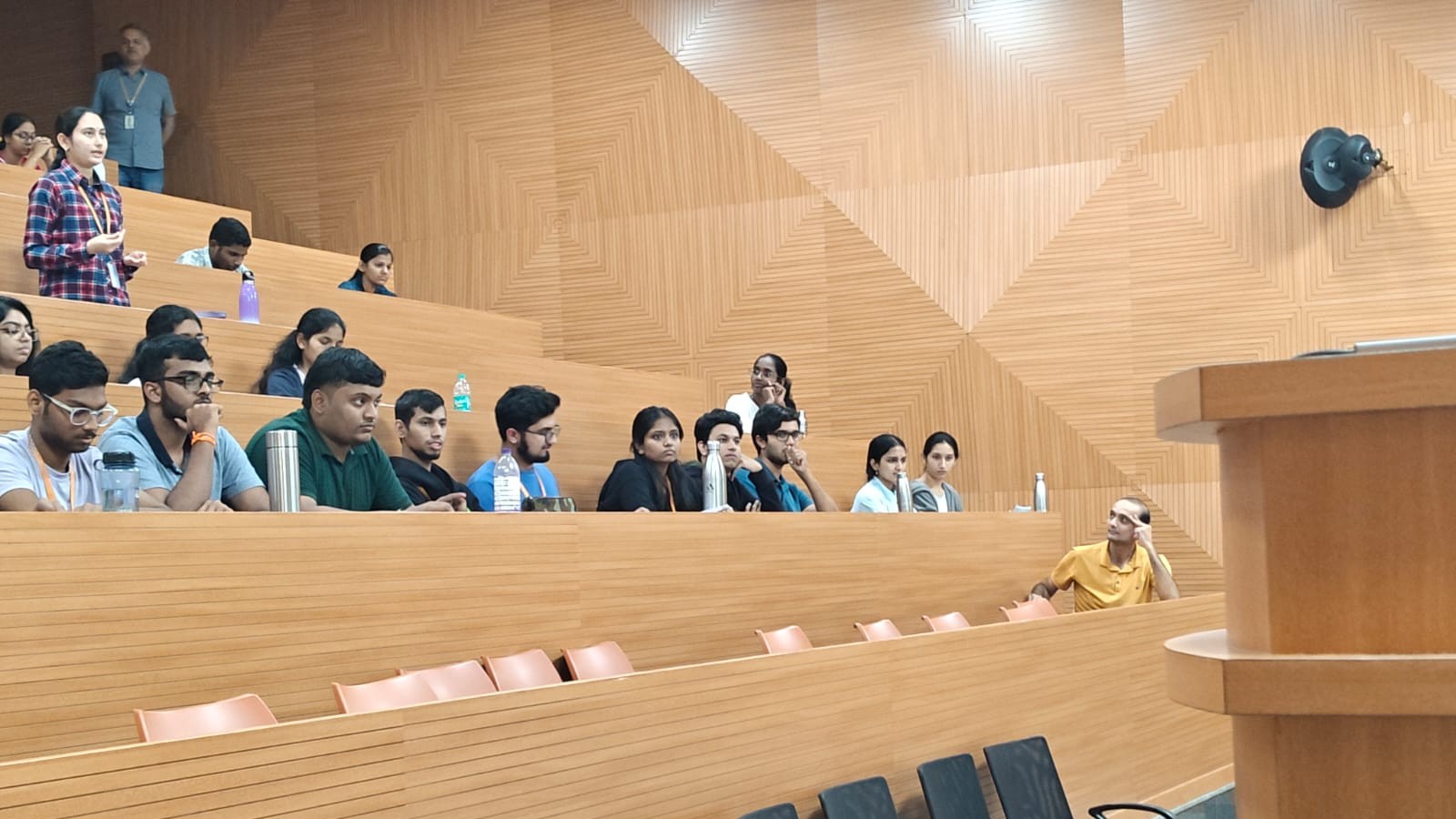
The workshop attracted approximately 60 to 70 students from the fourth and sixth semesters across both PES University campuses. The highly interactive format encouraged active participation, discussions, and continuous engagement throughout the five days.
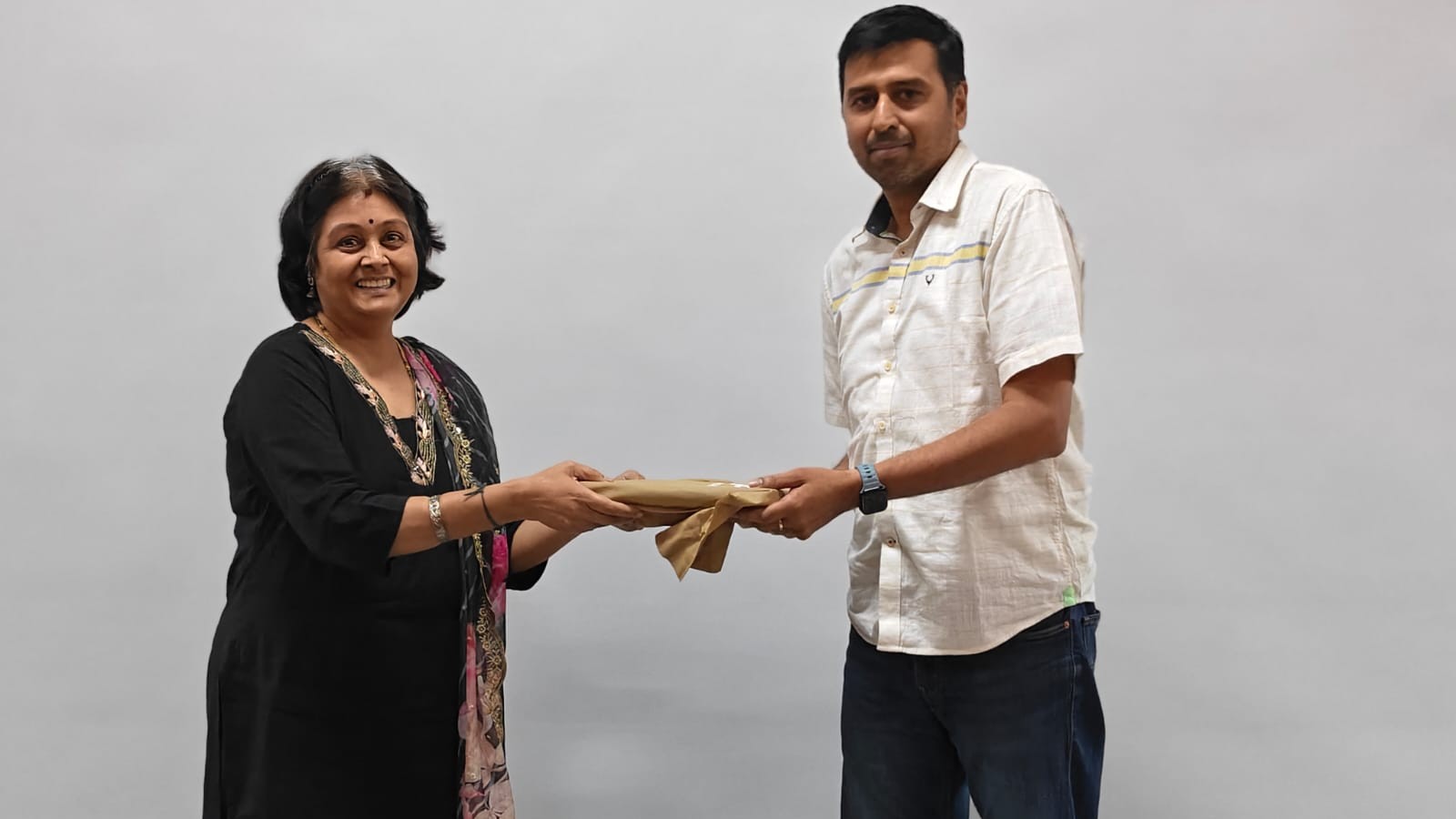
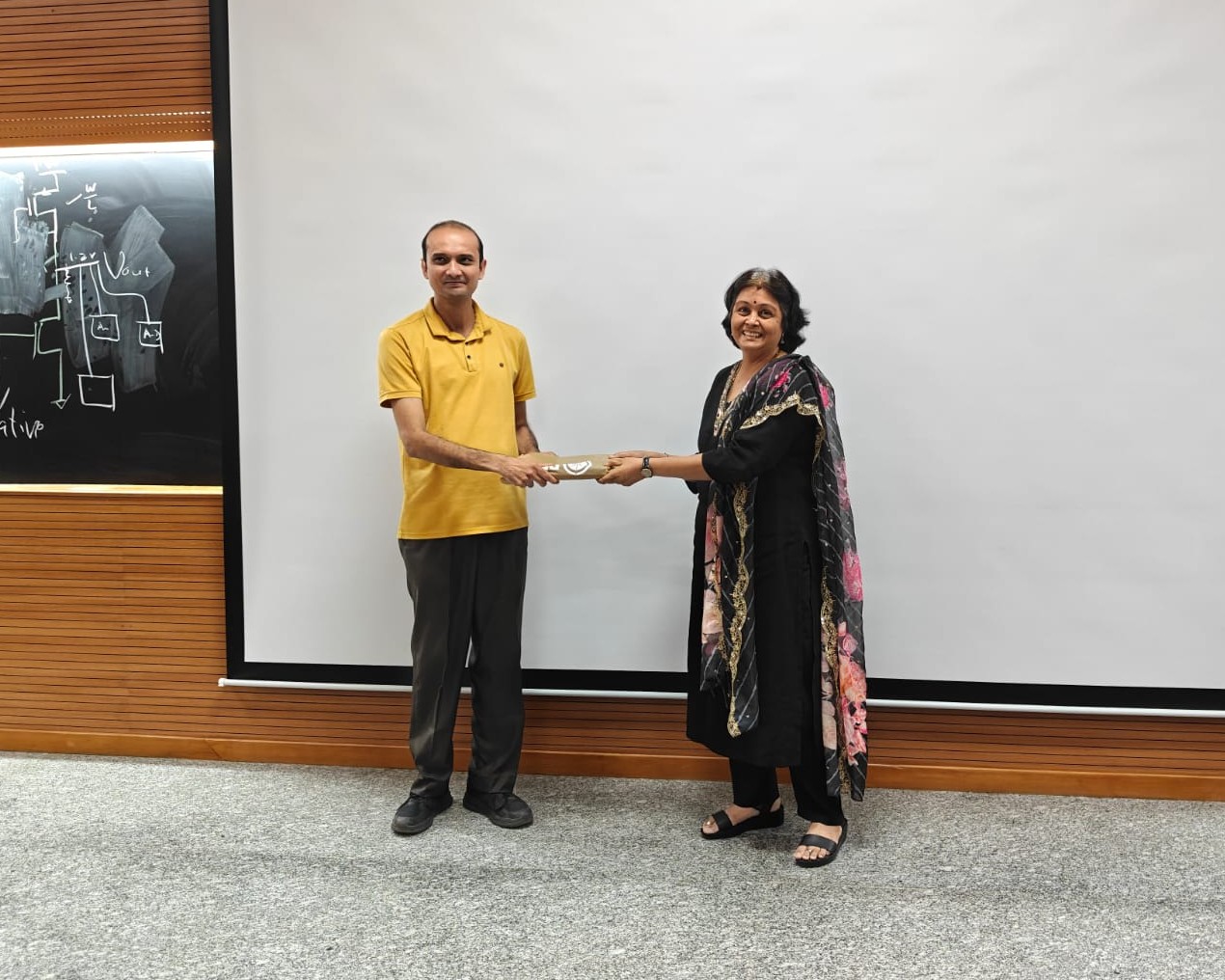
The programme concluded with an interactive question-and-answer session, allowing students to clarify concepts and seek career guidance from the experts. The event ended with a vote of thanks and the presentation of mementos to the speakers in recognition of their valuable contributions.
Inspiring Future Analog Engineers
The Analog and Mixed Signal Design Workshop successfully blended academic foundations, industry insights, and emerging research trends into a comprehensive learning experience. By focusing on first-principles thinking and practical engineering intuition, the programme empowered students to develop a deeper appreciation for analog design and its critical role in modern technology.
Through initiatives such as this, PES University continues to strengthen industry-academia engagement and prepare students to contribute meaningfully to the rapidly evolving semiconductor ecosystem. The workshop not only enhanced technical knowledge but also inspired participants to explore careers and research opportunities in one of the most dynamic fields of electronics engineering.
Keep Reading
More from PESU RR Campus
PES University Professor Honoured with Karnataka Nataka Academy Award
Industrial Visit to Rameshwaram Café: Bridging Classroom Learning with Industry Experience
7th Young Visionary Housekeepers National Convention and 9th PHA Yuva Anniversary: Celebrating Innovation in Hospitality