
Exploring Climate-Tech, Sustainability and AI-Powered Vibe Coding: An Inspiring Guest Session at PES University
The Institute of Management Studies at PES University recently hosted an engaging and insightful guest session on Climate-Tech, Sustainability, and AI-Powered Vibe Coding, offering students a unique opportunity to explore the intersection of environmental responsibility, emerging technologies, and i...
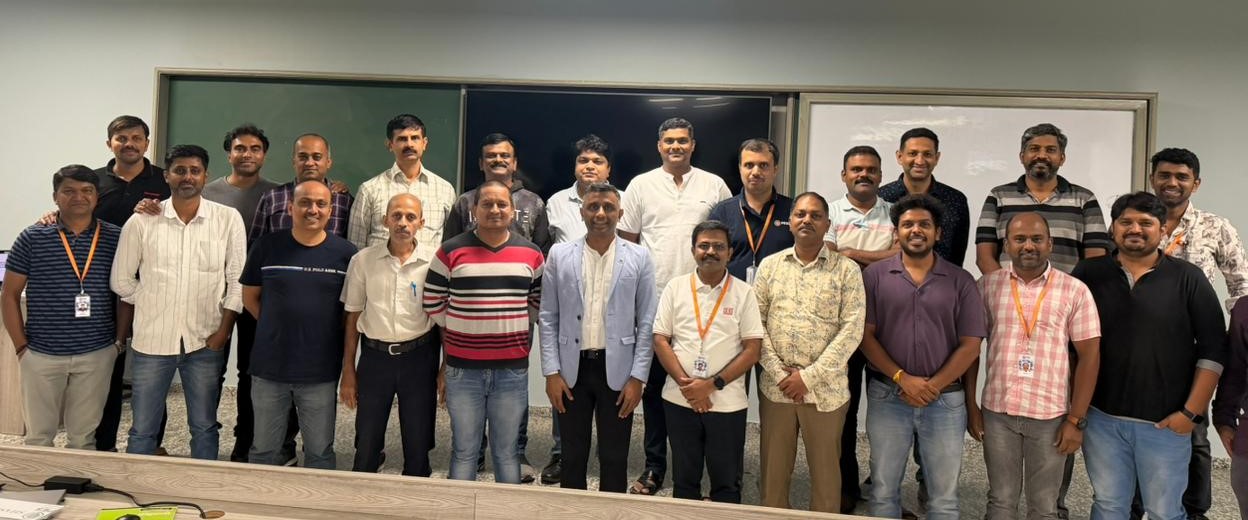
The Institute of Management Studies at PES University recently hosted an engaging and insightful guest session on Climate-Tech, Sustainability, and AI-Powered Vibe Coding, offering students a unique opportunity to explore the intersection of environmental responsibility, emerging technologies, and innovation.
The session was conducted by Mr. Harsha M., Co-Founder of Sustivon and a distinguished PESIT alumnus, who brings extensive expertise in climate-tech and sustainability. His professional experience spans critical areas including decarbonization, green supply chains, carbon markets, Environmental, Social and Governance (ESG) frameworks, Scope 3 emissions management, Carbon Border Adjustment Mechanism (CBAM), FuelEU compliance, maritime sustainability, and AI-driven sustainability solutions.
Understanding the Business Impact of Sustainability
The session began with an in-depth discussion on carbon emissions generated through manufacturing activities and the growing importance of sustainability in modern business operations. Students gained valuable insights into evolving global carbon regulations and learned how environmental compliance is becoming a key factor influencing business performance, competitiveness, and profitability.
Mr. Harsha highlighted the increasing role of organizations in measuring and reducing their carbon footprint while adapting to international sustainability standards. By connecting real-world industry practices with global environmental challenges, he provided participants with a practical understanding of the opportunities and responsibilities that businesses face in the transition toward a sustainable future.
AI Meets Sustainability: The Power of Vibe Coding
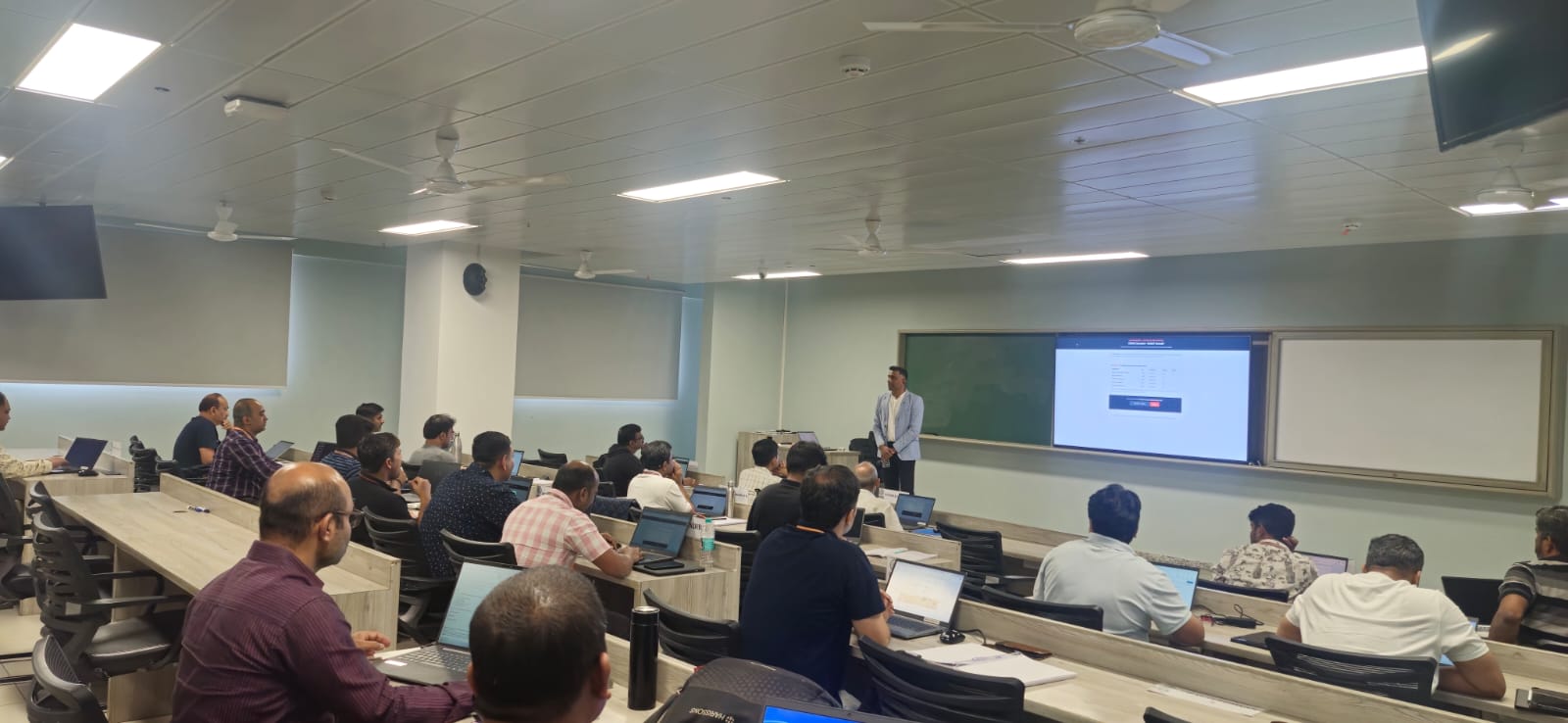
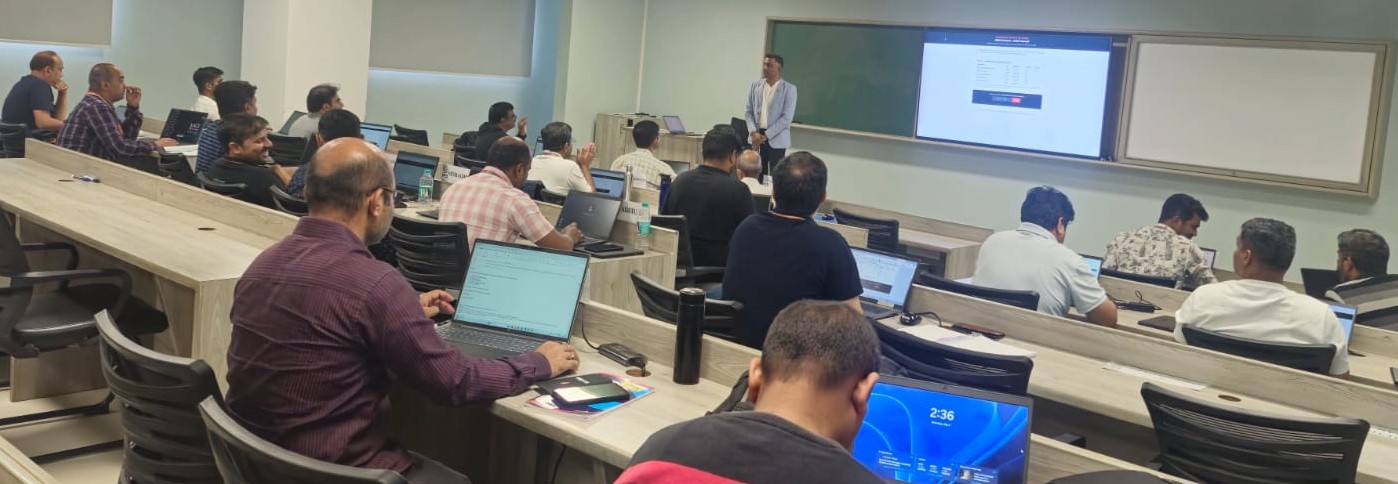
One of the most exciting highlights of the session was a live demonstration of “Vibe Coding”, an innovative approach to application development powered by artificial intelligence.
Using Claude AI and Netlify, students witnessed how a carbon-emissions web application could be developed and deployed through iterative AI-driven prompting. The hands-on exercise demonstrated how natural language interactions with AI can significantly accelerate software development, simplifying complex tasks and enabling rapid prototyping.
The session showcased how artificial intelligence is transforming productivity by assisting developers in coding, automation, problem-solving, and application deployment. Students gained firsthand exposure to modern development workflows that blend technical expertise with AI-powered assistance, opening new possibilities for innovation across industries.
Emphasizing Responsible Technology Use
Alongside the technical demonstrations, the session underscored the importance of responsible technology adoption. Discussions highlighted the need to align AI-enabled development practices with organizational information security requirements, including adherence to Information Security Management System (ISMS) policies and ISO 27001:2022 standards.
This perspective reinforced the message that while AI provides tremendous opportunities for innovation and efficiency, its implementation must be accompanied by strong governance, security, and compliance practices.
Bridging Academia and Industry
The guest session served as a valuable platform for students to connect classroom learning with contemporary industry developments. By bringing together topics such as climate technology, sustainability regulations, artificial intelligence, and digital innovation, the event provided a holistic view of emerging trends that are shaping the future of business and technology.
The interactive nature of the session encouraged students to think critically about how technology can be leveraged to address environmental challenges while creating sustainable business value.
A Note of Appreciation
The Institute of Management Studies extends its sincere gratitude to Mr. Harsha M. for sharing his knowledge, industry experience, and practical insights with the student community. His engaging presentation inspired participants to explore new possibilities at the convergence of sustainability and technology, while equipping them with valuable perspectives on the evolving demands of the modern professional landscape.
Events such as these reaffirm PES University's commitment to providing students with meaningful industry exposure and preparing them to become innovative, responsible, and future-ready professionals.
Keep Reading
More from PESU RR Campus
PES University Professor Honoured with Karnataka Nataka Academy Award
Industrial Visit to Rameshwaram Café: Bridging Classroom Learning with Industry Experience
7th Young Visionary Housekeepers National Convention and 9th PHA Yuva Anniversary: Celebrating Innovation in Hospitality