
Exploring the Heart of Bengaluru's Culinary Supply Chain: A Field Visit to Russell Market
Students from the BBA Hospitality and Event Management program visited Russell Market, Bengaluru, to gain practical insights into hospitality procurement and wholesale market operations.
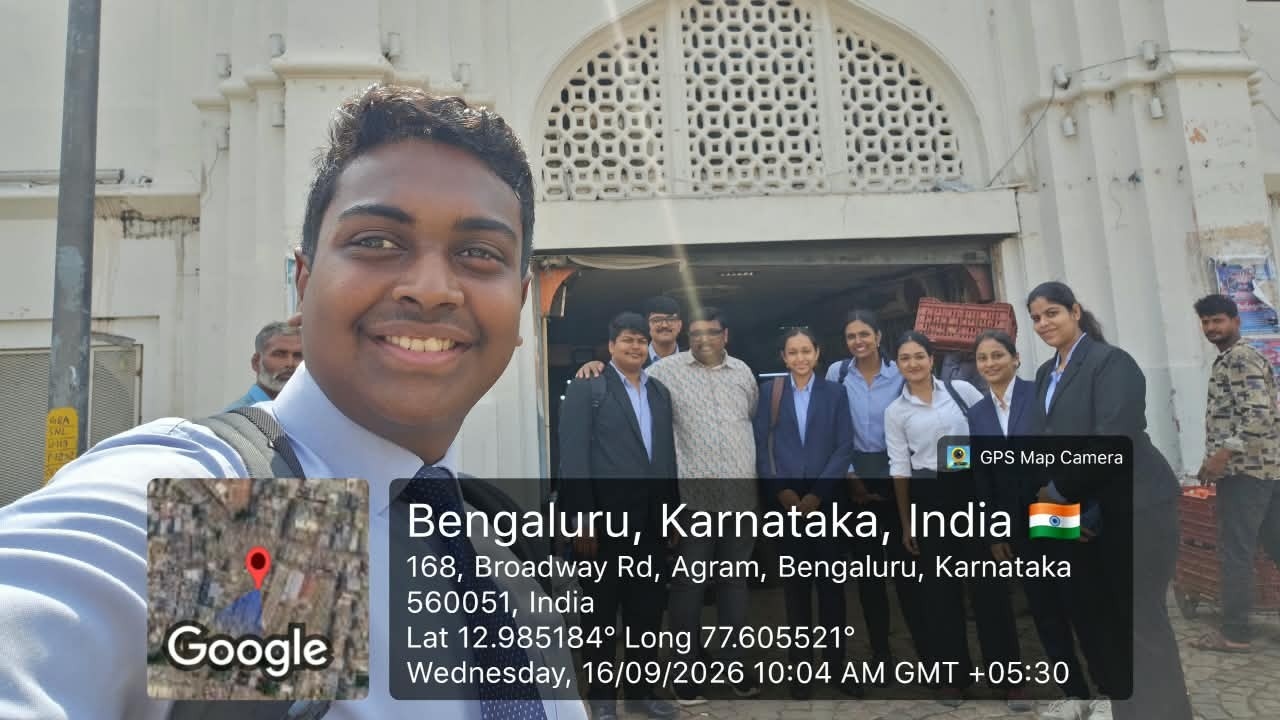
On September 16, 2026, students specializing in Kitchen Operations from the BBA Hospitality and Event Management program at PES University embarked on an enriching field visit to the iconic Russell Market, Shivajinagar, Bengaluru. Organized under the guidance of Chef Nagarjun Nayani, the visit provided students with valuable firsthand exposure to one of the city's most vibrant and historic wholesale markets.
Bridging Classroom Learning with Industry Practice
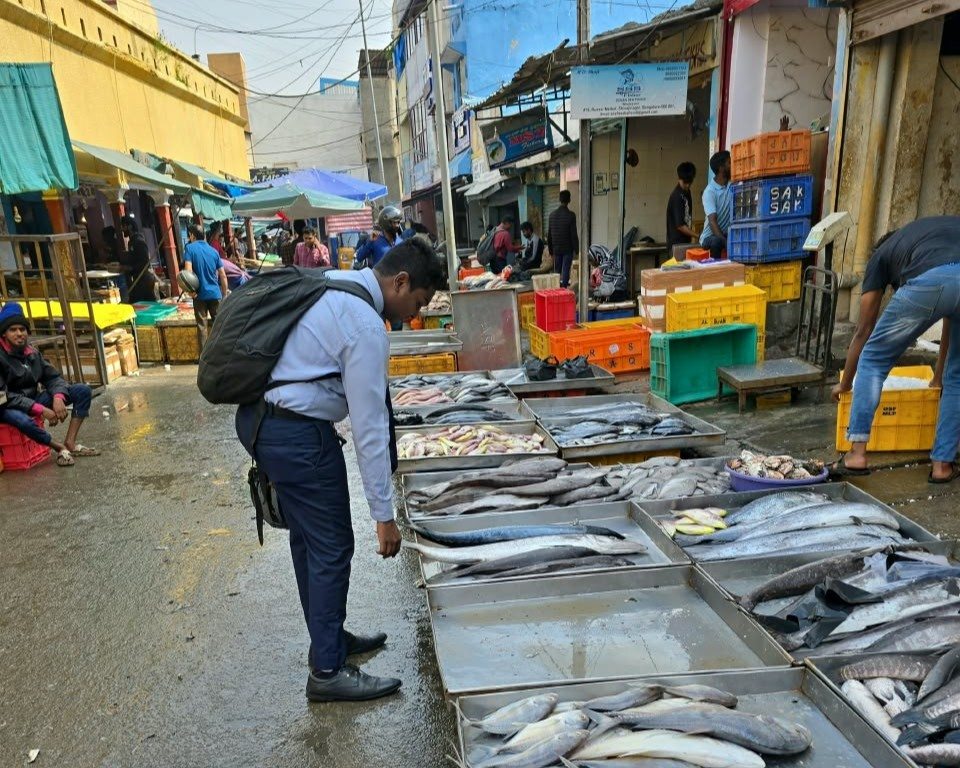
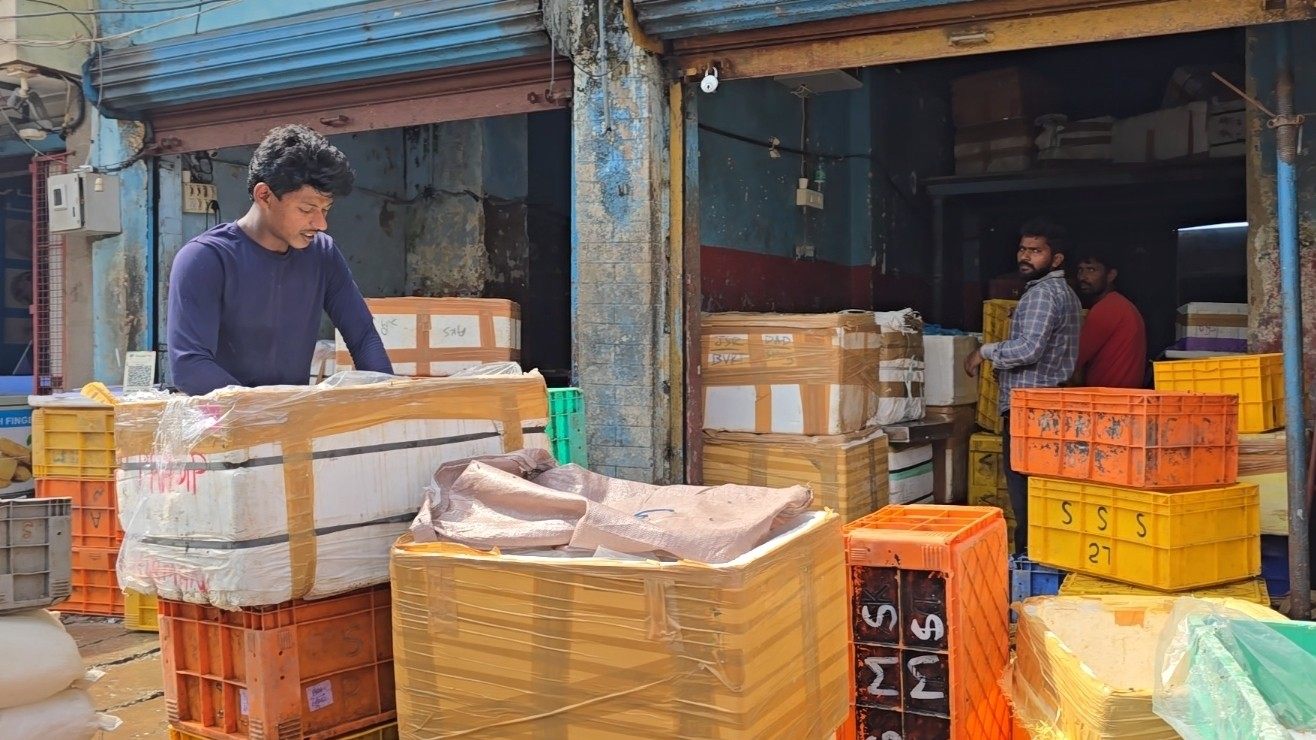
Hospitality education thrives on experiential learning, and this visit was designed to bridge theoretical concepts with real-world market operations. The program began with a briefing session, after which students explored various sections of the market, including seafood, meat, poultry, vegetables, groceries, spices, and kitchen equipment.
Russell Market, known for its diverse range of fresh produce and specialty ingredients, served as an ideal environment for students to understand how hospitality establishments source and procure essential supplies. The visit offered a unique opportunity to witness the dynamic interactions that form the backbone of the food service industry.
Learning Beyond the Classroom
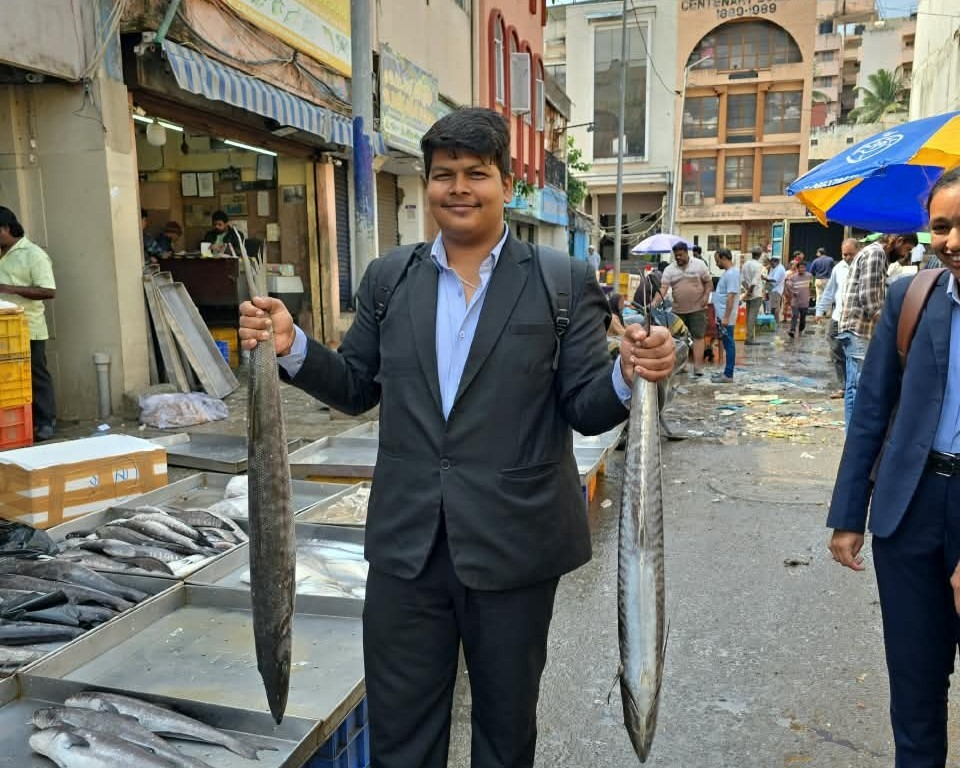
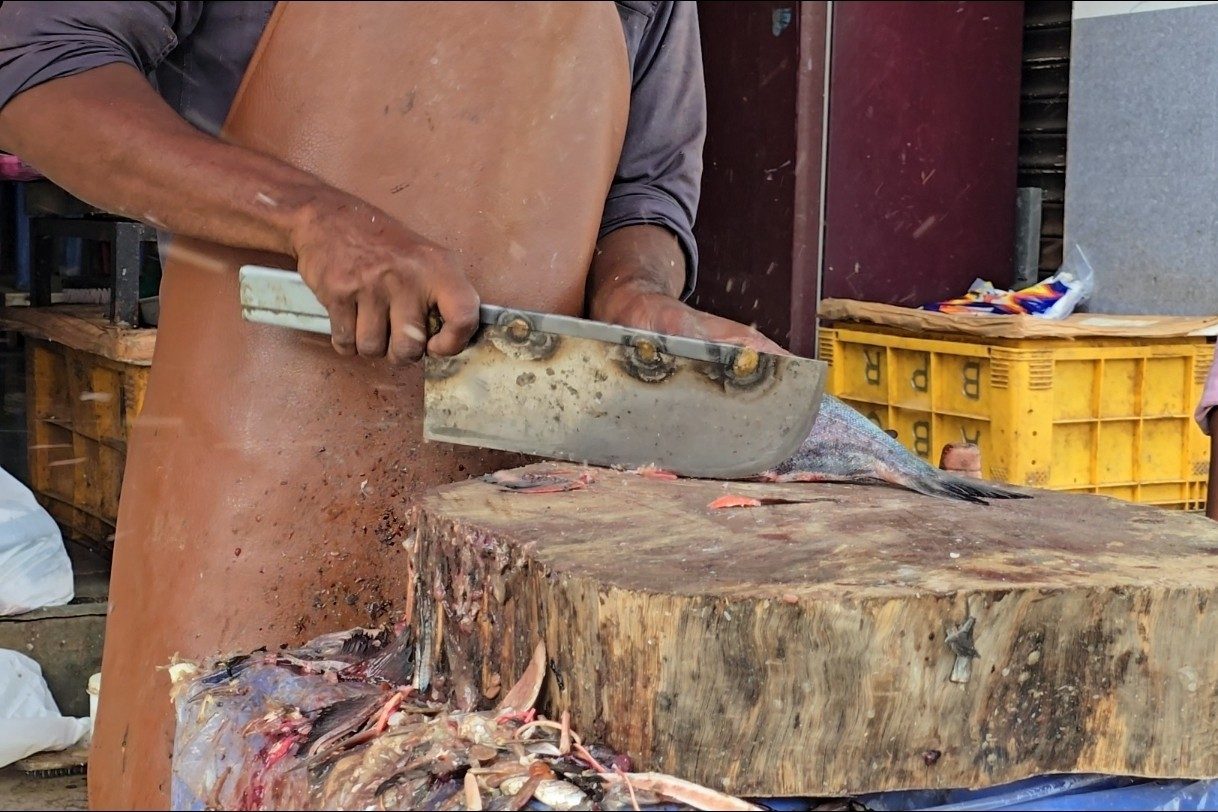
One of the highlights of the field visit was the interaction with vendors and suppliers. Students engaged in meaningful conversations with market professionals to gain insights into procurement methods, pricing strategies, quality assessment techniques, and supplier relationships. These discussions helped students understand the practical challenges and considerations involved in managing food purchases for hotels and restaurants.
Students also observed how experienced vendors evaluate the freshness and quality of seafood, meat, vegetables, and groceries. The exposure enabled them to connect classroom concepts related to food quality, safety, and purchasing with actual industry practices.
Active Student Participation
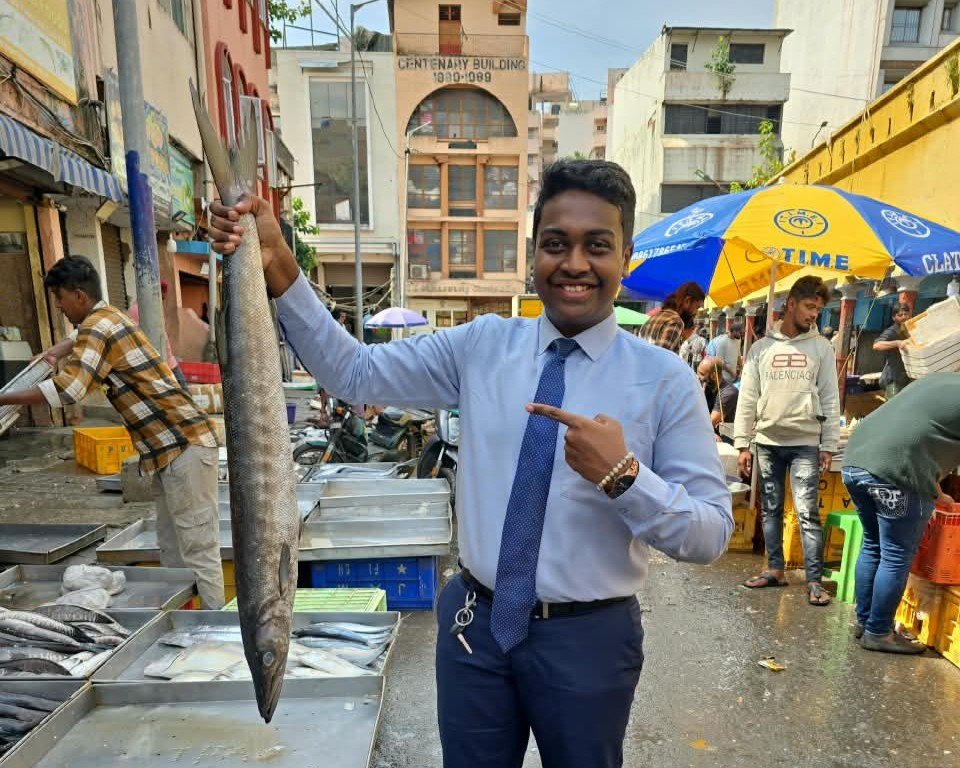
The eight participating students actively engaged in market observation, vendor interactions, quality assessment exercises, and documentation activities. They maintained detailed notes and captured geotagged photographs to support their academic learning and future discussions in class. Their enthusiasm and professional conduct contributed significantly to the success of the visit.
Key Takeaways
- Understood the functioning of a traditional wholesale market and its supply chain.
- methods for assessing the freshness and quality of ingredients.
- Gained knowledge of specialty ingredients and English vegetables used in professional kitchens.
- Observed procurement practices followed by hotels and restaurants.
- Developed an understanding of pricing mechanisms, vendor relationships, and bulk purchasing strategies.
Conclusion
The field visit to Russell Market was an invaluable learning experience that enhanced students' understanding of hospitality procurement and supply chain management. By interacting directly with vendors and observing market operations firsthand, students gained practical insights that will support their future careers in hospitality and culinary management. Such experiential learning initiatives continue to strengthen the connection between academic knowledge and industry practice, preparing students to excel in the dynamic world of hospitality.
Keep Reading
More from PESU RR Campus
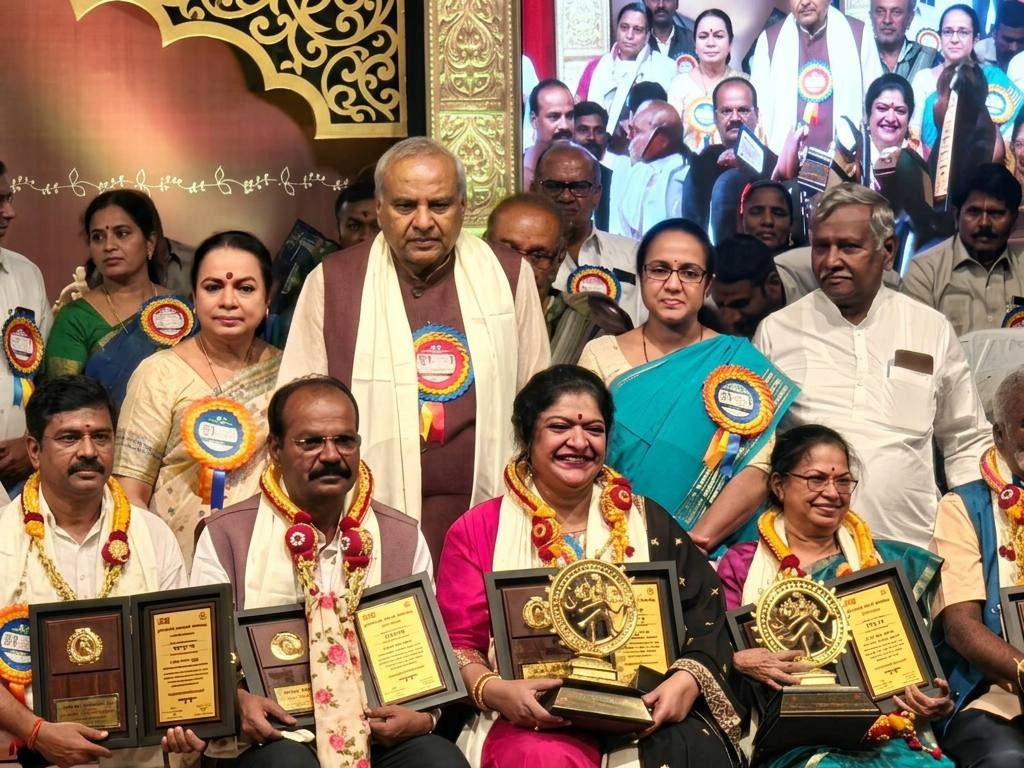
PES University Professor Honoured with Karnataka Nataka Academy Award
Industrial Visit to Rameshwaram Café: Bridging Classroom Learning with Industry Experience
7th Young Visionary Housekeepers National Convention and 9th PHA Yuva Anniversary: Celebrating Innovation in Hospitality